

Somewhere between the third buffet breakfast and the fourth conversation overheard through a thin hotel wall, a lot of couples start to wonder: is this actually what we wanted? The resort model isn’t broken; it just doesn’t work for everyone anymore. This piece is about what’s shifted, why private villas keep winning, and what couples are actually looking for when they travel together now.
The Resort Experience Is Optimized
Resorts are designed for throughput. The nicer ones disguise it well, but the logic is the same: maximize occupancy, rotate guests, keep things moving. Privacy isn’t the product. It’s the upsell.
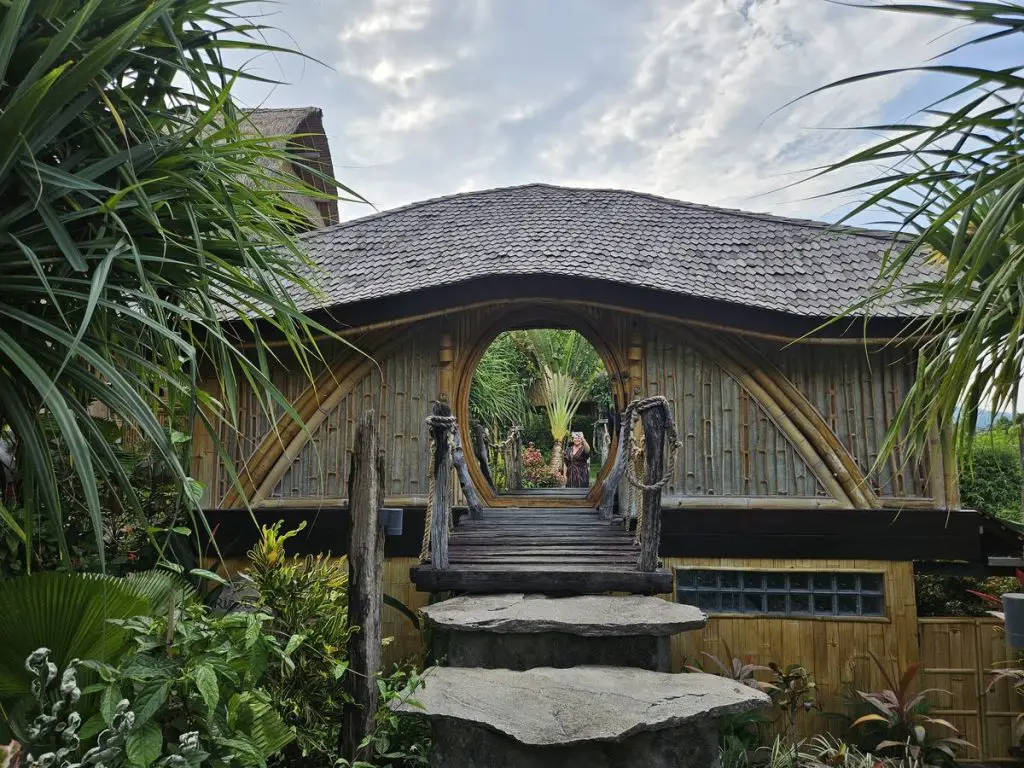
There’s a reason couples keep landing on alternatives. Staying at something like a Bali villa with private chef where the morning coffee appears before you’ve found your sandals and the chef shops at the local market based on what you actually eat isn’t about luxury for its own sake. It’s about the structure of the experience. A private villa does what a resort promises but rarely delivers: it hands you the day, unscheduled, and leaves you alone with it.
What couples describe when they plan a trip together
Ask most couples what they actually want, and the answer sounds something like this:
- Waking up without a checkout clock in the background
- Eating when they feel like it, not when the restaurant opens
- Not explaining themselves to anyone
A resort approximates some of this. A private space does it structurally. The difference isn’t cosmetic.
Why Bali Keeps Coming Up
Bali shows up constantly in this conversation, not because of the Instagram saturation (that’s fading), but because the private villa infrastructure here is genuinely mature. The island has been building rental properties since the early 2000s. The quality range is wide. You can find something for €280 a night or €3,000. Both will have a pool. The question is what else comes with it.
A few things worth knowing if you’re planning Bali in 2026:
- The B211A social-cultural visa has new conditions this year; confirm duration and renewal directly with the Indonesian consulate, as most third-party sources are still running on 2024 rules
- Canggu is noisier than it was three years ago; Ubud and the Bukit peninsula offer more actual silence
- Uluwatu’s breaks are best at mid-to-high tide; if you’re not surfing, the cliff walk around Suluban is genuinely worth the afternoon
That last one you’d only know if you’d been, or talked to someone who has. Which is exactly what a good villa manager tells you on day one, without being asked.
The Economics Are Closer Than You’d Expect
Here’s where people get surprised. A private villa with a pool, daily cleaning, and on-call staff sounds like it should cost significantly more than a resort room. Often it doesn’t.
The math, roughly:
- Two people, 7 nights at a mid-range Bali resort with meals and airport transfers: €2,800–3,500
- A private two-bedroom villa with pool, daily service, and a chef twice a week: €1,900–2,700 for the same stretch
The gap closes fast when you factor in resort dining prices, spa treatments you’re booking as an escape from the room rather than because you wanted them, and taxi fare every time you want to go somewhere quieter.
The staff dynamic is different in kind, not just degree
In a private villa, there’s usually one or two people responsible for the property. They know your name by the second morning. They know whether you take your coffee before or after you shower. A good villa manager will tell you which warung in the village does the best sate lilit, book you a driver who won’t upsell you to a tour package, and otherwise leave you alone.
That’s not servility. That’s continuity. A hotel concierge handling 200 rooms can’t offer it, not because they don’t want to, but because the system doesn’t allow for it.
What Actually Changes When the Space Is Yours
There’s a shift in how couples experience travel when nobody else is watching.
A resort asks you to perform vacation. You dress for breakfast. You claim your territory at the pool. You exist in relation to other guests, visible, ambient, background noise in someone else’s holiday photo. None of this is terrible; it’s just not rest.
A private space removes the performance layer. No one cares if you eat yesterday’s leftover nasi goreng on the terrace at 11 am. You’re not curating anything. That shift, from performing to being present, is what couples keep coming back to when they explain why they won’t return to resorts.
What to Actually Look For When Booking
Not all private villas deliver what they suggest in photos. Some are beautiful in pictures and awkward in practice, too close to a main road, managed by someone three time zones away, with a pool that gets shade by 3pm.
Before committing, ask:
- Is the villa managed directly or through a platform with no local contact person?
- What’s the actual response time if something goes wrong on a Sunday night?
- Where exactly is the property relative to the road, the nearest temple, and neighboring walls?
The best experiences tend to come from properties with direct management, transparent pricing without surprise service fees at checkout, and a clear breakdown of what’s included: cleaning schedule, chef availability, driver access, airport transfers. If a listing can’t answer those questions cleanly, that tells you something.

Why Privacy Wins and Why It Will Keep Winning
The resort isn’t disappearing. For some trips it’s exactly right, a large group anniversary, a conference stopover, somewhere to land when you need a clean room and room service at midnight. No argument there.
But for couples who want the trip to feel like theirs? The math is increasingly on the villa side. The quiet is. The detail is. The fact that someone remembered you don’t eat coriander is.
That’s a small thing. And somehow it’s the thing people mention first.
Word to the wise: the best villas book six to eight weeks out for peak season dates. The ones that are still available two weeks before you travel usually have a reason.


