

Why would anyone need to look for inner balance while traveling? It sounds a little strange, honestly. It feels as if you are not packing a suitcase but instead heading to a monastery for forty days of silence.
Travel is supposed to be about looking, rushing, taking photos, trying local food, getting lost in old cities, buying ridiculous souvenirs, and later proudly telling your friends how you survived an Italian suburb without Google Maps.
That is why it matters to return to yourself from time to time while traveling. Some people do it through journaling, some through morning coffee without a phone, and others through a walk with no set route. Others look for quiet in self-reflection platforms like Nebula spiritual guidance space, especially when new countries, people, and roads start to pull them slightly off their axis.
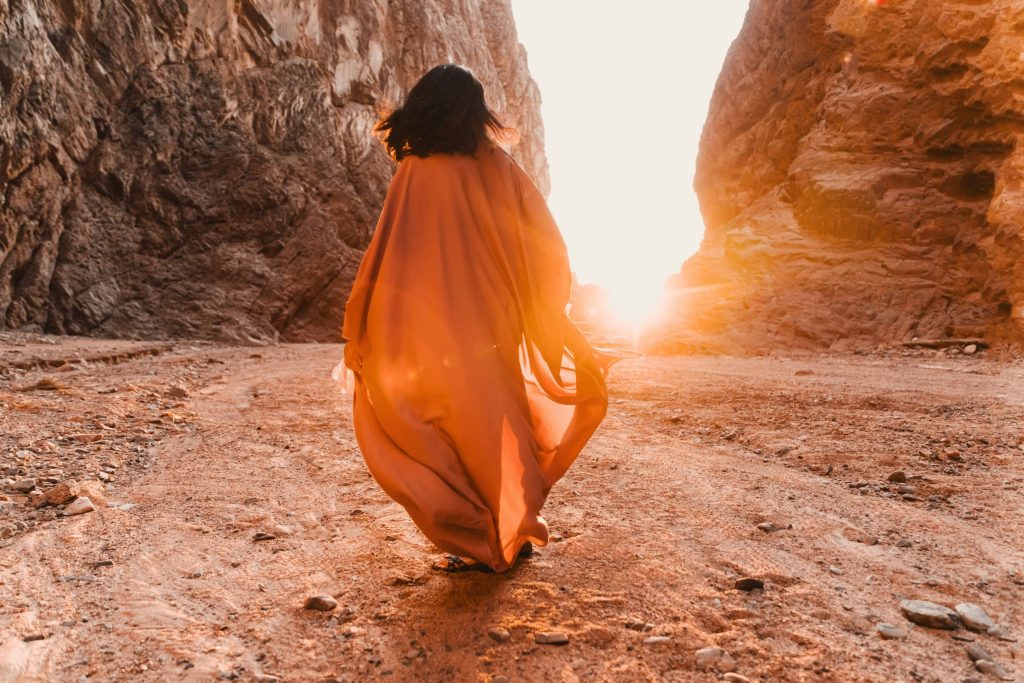
1. Stop Trying to Be the Perfect Tourist on Every Trip
We all have an idea of what the ideal travellers look like: they wake up at six in the morning without an alarm clock, easily walk twenty thousand steps, eat only at authentic spots, and never want to just rest around in an air-conditioned hotel room.
The issue is that real people do not travel that way. They get tired; they want to eat not when the itinerary says “traditional lunch at a local trattoria,” but when a headache starts creeping in, and sometimes they arrive in the city of their dreams wanting only a shower, a clean T-shirt, and a bed.
Balance while traveling starts with honesty. You need to understand what kind of traveler you really are: do crowds drain you? Do you need a slow morning? Do you remember one street you wandered along for an hour better than five landmarks you ran past with your phone in your hand?
That is your natural speed. If you ignore it, a trip can quickly turn from an adventure into a marathon where nobody promised you a finish line.
2. Listen to Your Body Before It Forces a Rest Day
The body is often more honest than the mind while traveling. The mind says, “We can still do it; there is a viewpoint over there.” The body warns, “Sit down, or there will be consequences.” The mind says, “We need to fit in one more museum.” The body responds with a headache, irritation, and a desire to hate every tourist within a fifty-yard radius.
This is where it helps not to turn everything into a heroic act. There is no medal for walking through a city on your last bit of energy and remembering nothing except the pain in your feet. There is no honor in pushing yourself to the point where even the most beautiful view becomes a background image for your inner “please, everyone, leave me alone.”
Eat before you start hating humanity. Drink water before your head begins to buzz. Sleep when your body asks for sleep, not only when your itinerary permits you to “be weak.” Travel is supposed to feel like a break, not a test of stamina.
3. Stay Open While Traveling, but Keep Your Limits
Travel teaches us to explore beyond the familiar. Try something strange, talk to a stranger, turn into an alley you did not plan to explore, or agree to a small adventure. There is a lot of joy in that.
Openness has limits, and yours are real. If you feel uncomfortable, you can leave. If a group drains you, you can choose to be alone. If everyone wants to go to a bar and all you want is tea and bed, the world will survive your “no.”
This is especially important when traveling solo. When there are no familiar people nearby, intuition often becomes louder. It is worth trusting.
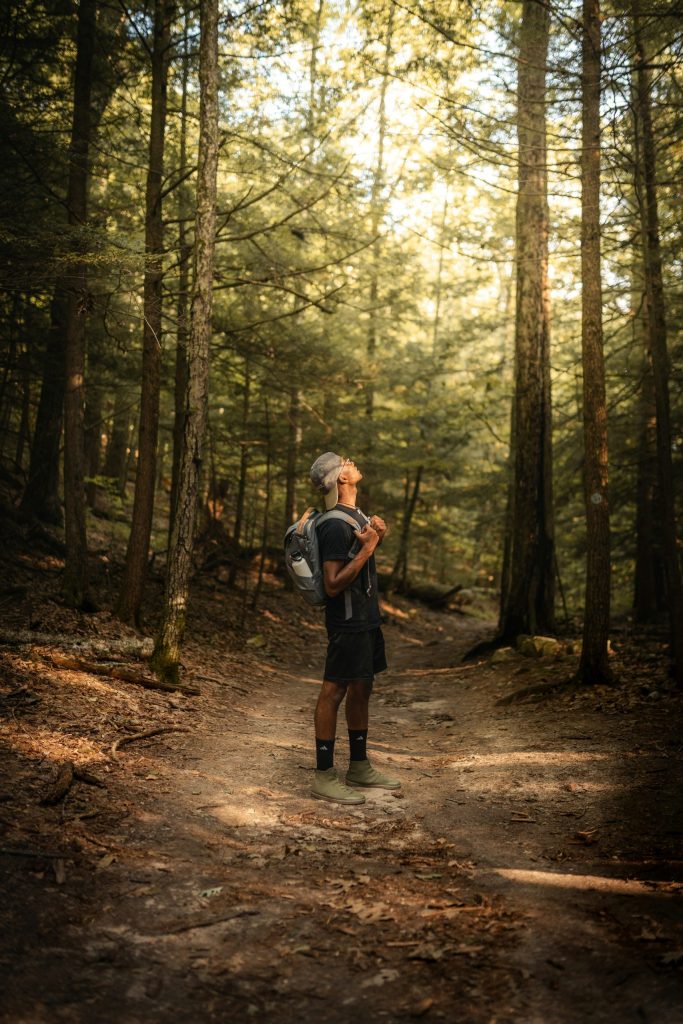
4. Stop Measuring Your Trip by Other People’s Travel Photos
Social media has turned travel into a strange performance. You are not only expected to visit a place, but also to show that you visited it beautifully by taking a picture.
Some of the best travel moments slip past the camera entirely. Like when you found shade in the heat and felt an almost religious kind of happiness. Or when you rode a bus and watched the landscape change outside the window. Or when you bought something mysterious from a kiosk and it turned out to be delicious.
Someone else’s trip will always look smoother. You will not see the fatigue, arguments, confusion, or failed reservations. So measure your trip not by how it looks, but by what it does to you.
A memorable trip does not end at the airport. It keeps living in you for a while: in the new habit of drinking coffee more slowly, in the desire to walk more, in the sudden realization that you need less noise, or maybe in the opposite – more courage.


