

The most important sporting event in 2026 is approaching. Toronto is already actively preparing and completely transforming the local landscape to host more than 600,000 international guests.
The large-scale project concerns not only the matches, but also the complete restructuring of the infrastructure, the hotel business, and digital entertainment.
For example, the modern online environment Dragonia casino offers a qualitatively different level of entertainment. The city’s economic output is expected to exceed 940 million dollars. At the same time, each sector is scaled to meet the audience’s needs.
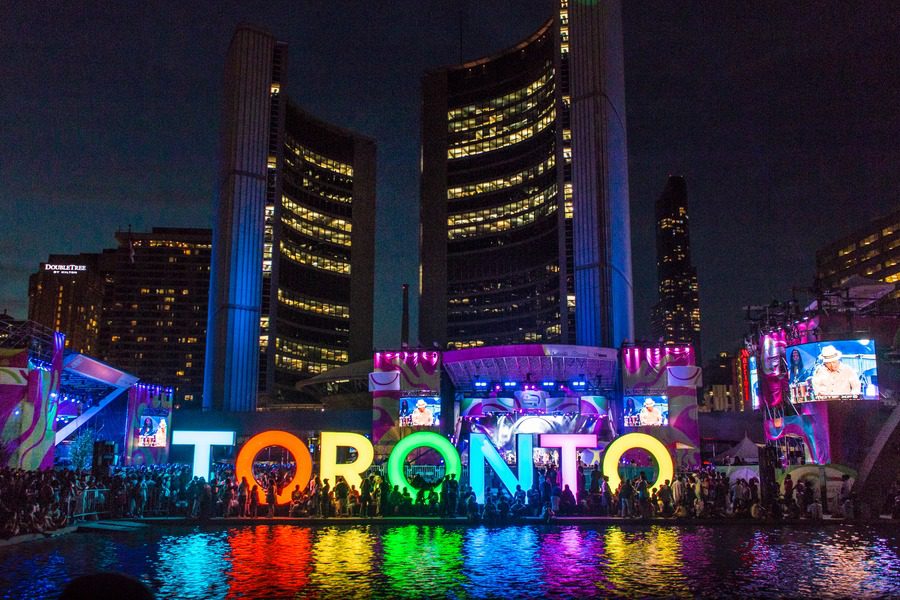
Stadium Upgrades and the Fan Experience
The main element of Toronto’s preparations is a comprehensive expansion of the Exhibition Place stadium. For this, the facility received more than $ 157.9 million, and all work was carried out strictly in accordance with FIFA standards. The most noticeable change is the expansion of the number of seats.
This allowed the capacity to increase from 28,000 to 40,000 seats. The upgrades are not only about the number. They also include optimized lighting systems, improved network infrastructure, and a completely new pitch, which is designed for international-level competitions.
In addition, self-service buffet technology is integrated. The stadium has expanded guest lounges and 32 new suites. They will provide the best viewing experience throughout the event. This reconstruction will provide a reliable infrastructure for several decades to come for future events.
Toronto 2026: Key Tournament Metrics and Economic Projections
The scale of the tournament is truly large. The Toronto administration has thought through the projects and provided a completely new infrastructure, which is presented in the table below.
| Metric | 2026 World Cup Projection | Impact Area |
| Total Matches | 6 (including Opening Match) | Competition |
| Projected Economic Output | $940 million CAD | Economy |
| Jobs Created | 6,600+ (2023-2026) | Employment |
| Temporary Seating | 17,756 additional seats | Infrastructure |
| Visitor Influx | 600,000+ unique fans | Tourism |
The Government of Canada has committed over $104 million to ensure a high level of preparedness. The economic ripple effect will not only affect sports infrastructure, but also hotels and small businesses. Such work will contribute to the development of tourism in the near future.
Digital Integration and the “Second Screen” Culture
A sports tournament requires not only thorough physical training. It is also necessary to consider additional digital entertainment and the possibility of broadcasting the event in real time.
That is why great attention was paid to the quality of the Internet connection in the city’s fan zones. Hosting the tournament in Toronto accelerated the deployment of 5G+ networks, which is especially important for the city’s guests.
Central Hubs: The FIFA Fan Festival
To accommodate hundreds of thousands of fans at the stadium, a special cultural campus was created. This place embraces the fans and reflects the tournament’s energy. Among the main features of this festival:
- Fort York National Historic Site. This is a large park, covering more than 43 acres. It is the main venue for the FIFA Fan Festival, which will host live broadcasts on large screens.
- The Bentway. This zone is located under the Gardiner Expressway. The urban space is adapted for cultural performances and various art installations.
- Diverse culinary zones. Selected food vendors are ready to showcase Toronto’s national identity. Fans will be able to try cuisines from more than 200 nationalities in the city.
- Interactive gaming pavilions. In specialized zones, guests will be able to test their skills in football simulations and virtual games.
The festival zone is located near the stadium. This event will leave only pleasant memories among fans and residents of the city.
Infrastructure Beyond the Pitch: Logistics and Safety
To accommodate the 48 national teams and millions of fans, the city is implementing a “tournament transit” strategy. This involves increasing the frequency of specialized transits between the airport and the stadium area. The following approaches have been used to achieve this:
- Transportation optimization. A 14-month increase in municipal housing tax was introduced to finance transportation operations during matches.
- Safety and security. A joint task force comprising federal and local law enforcement agencies is using modern crowd-management systems powered by artificial intelligence.
- Fan zones. Large public areas are equipped specifically for those fans who are unable to get to the stadium.
In preparation for the tournament, the playing facilities were also modernized, and special isolated booths were created for broadcasting. This way, a global audience will also be able to watch the matches in real time.
In short, Toronto’s preparations for the 2026 World Cup are a carefully planned process. Improving infrastructure and continually learning from mistakes have created a space ready to welcome guests and athletes.


