

Travel doesn’t have to be complicated or reserved for those with unlimited budgets and months of free time. Whether you’re planning a weekend getaway or a week-long adventure, smarter travel is all about making thoughtful choices that enhance your experience without adding stress.
This guide is for everyday adventurers like you – people who love exploring new places but also appreciate practical tips that actually work in real life. Let’s dive into everything you need to know to travel smarter, not harder.
Planning Your Journey Like a Pro
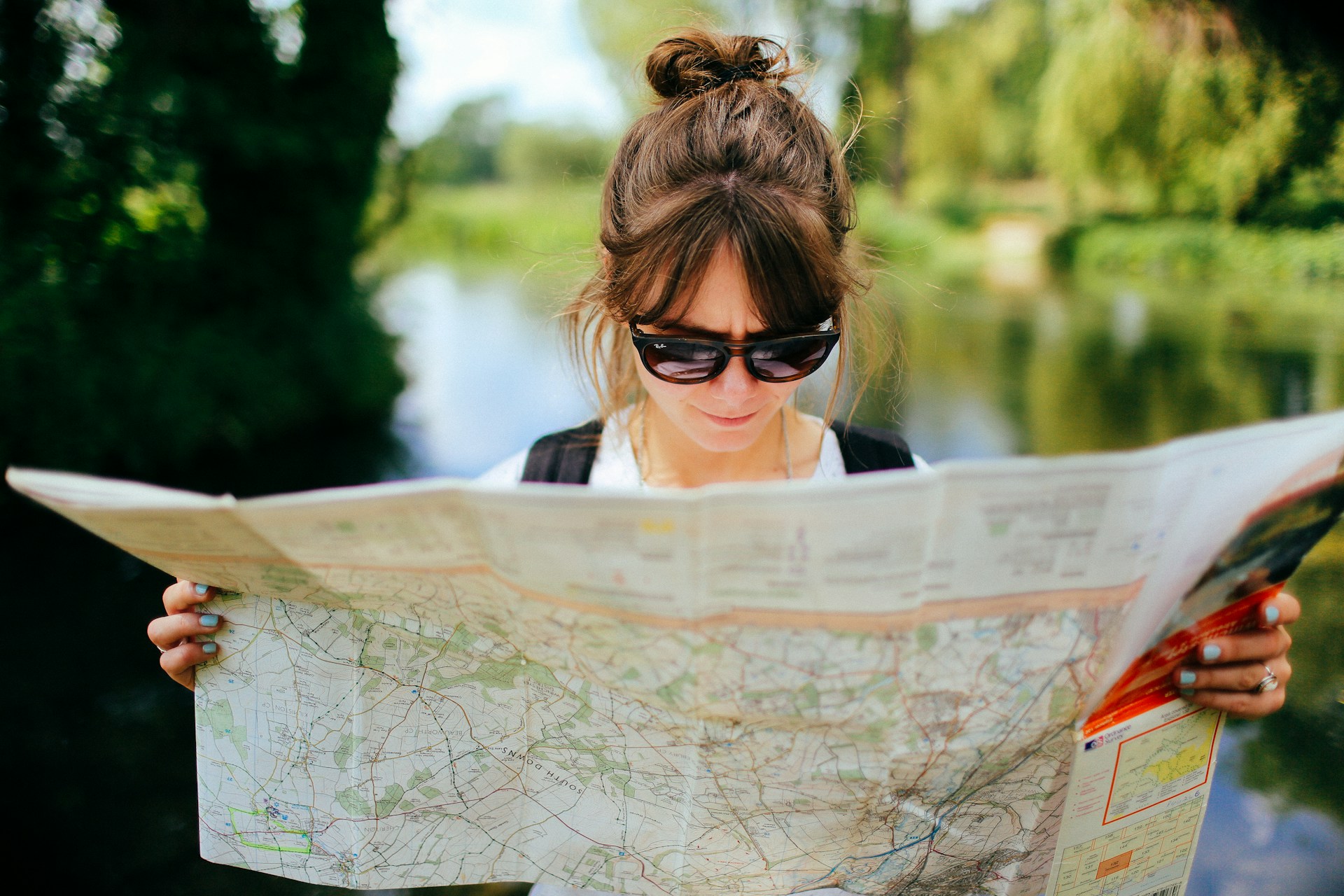
Here’s the thing about travel planning: a little preparation goes a long way, but you don’t need to plan every single minute of your trip. Start by researching your destination beyond the typical tourist brochures. What’s the weather really like during your travel dates? Are there any local festivals or events happening? What do locals actually recommend?
I’ve found that reading travel blogs, watching YouTube videos from real travelers, and checking recent reviews on Google Maps gives you a much better picture than official tourism websites. Look into the local customs too – knowing whether to tip, how to greet people, or what to wear to certain places shows respect and helps you blend in better.
Create a flexible itinerary that includes your must-see spots but leaves room for spontaneity. Some of the best travel memories come from unexpected discoveries – that little café you stumbled upon or the local market you weren’t planning to visit.
Budget planning is crucial, but don’t stress about tracking every penny. Figure out your big expenses first: accommodation, flights, and transportation. Then allocate a daily budget for food, activities, and shopping. Always add a buffer of about twenty percent for those “I didn’t expect that” moments.
Securing Your Belongings
Let’s talk about protecting your stuff because nothing ruins a trip faster than damaged belongings or lost items. Whether you’re checking luggage or shipping items ahead, proper protection matters.
If you’re sending items separately or need to pack fragile souvenirs for your return journey, invest in quality packing materials for shipping. Bubble wrap, sturdy boxes, and proper cushioning ensure your valuables arrive intact. I learned this the hard way when a beautiful ceramic vase I bought in Thailand arrived home in pieces because I skimped on proper packing materials.
For documents, keep both physical and digital copies. Take photos of your passport, travel insurance, credit cards, and important bookings. Store these in your email or a secure cloud service. Use a money belt or hidden pocket for cash and cards when exploring busy areas. It’s not about being paranoid – it’s about being prepared so you can relax and enjoy your adventure.
Mastering the Art of Packing
Strategic Packing Techniques
Packing is an art form, and once you master it, you’ll wonder how you ever traveled with overstuffed suitcases. The capsule wardrobe approach is your best friend here. Choose a neutral color palette – think blacks, grays, whites, and one accent color – so everything mixes and matches. This way, you can create multiple outfits with fewer pieces.
Rolling your clothes saves space and reduces wrinkles for most fabrics. But here’s a pro tip: fold your dress shirts and dresses, and roll everything else. Use packing cubes to organize by category – one for tops, one for bottoms, one for undergarments. It sounds excessive until you realize you can find anything in seconds without unpacking your entire bag.
Compression bags are game-changers for bulky items like jackets or sweaters. They squish down your clothes to half their size, giving you room for souvenirs on the return trip. And please, weigh your luggage at home before heading to the airport. Nothing’s worse than repacking at the check-in counter with a line of annoyed travelers behind you.
Essential vs. Optional Items
You really don’t need as much as you think you do. Here’s my golden rule: lay out everything you want to pack, then remove a third of it. You’ll still have more than enough.
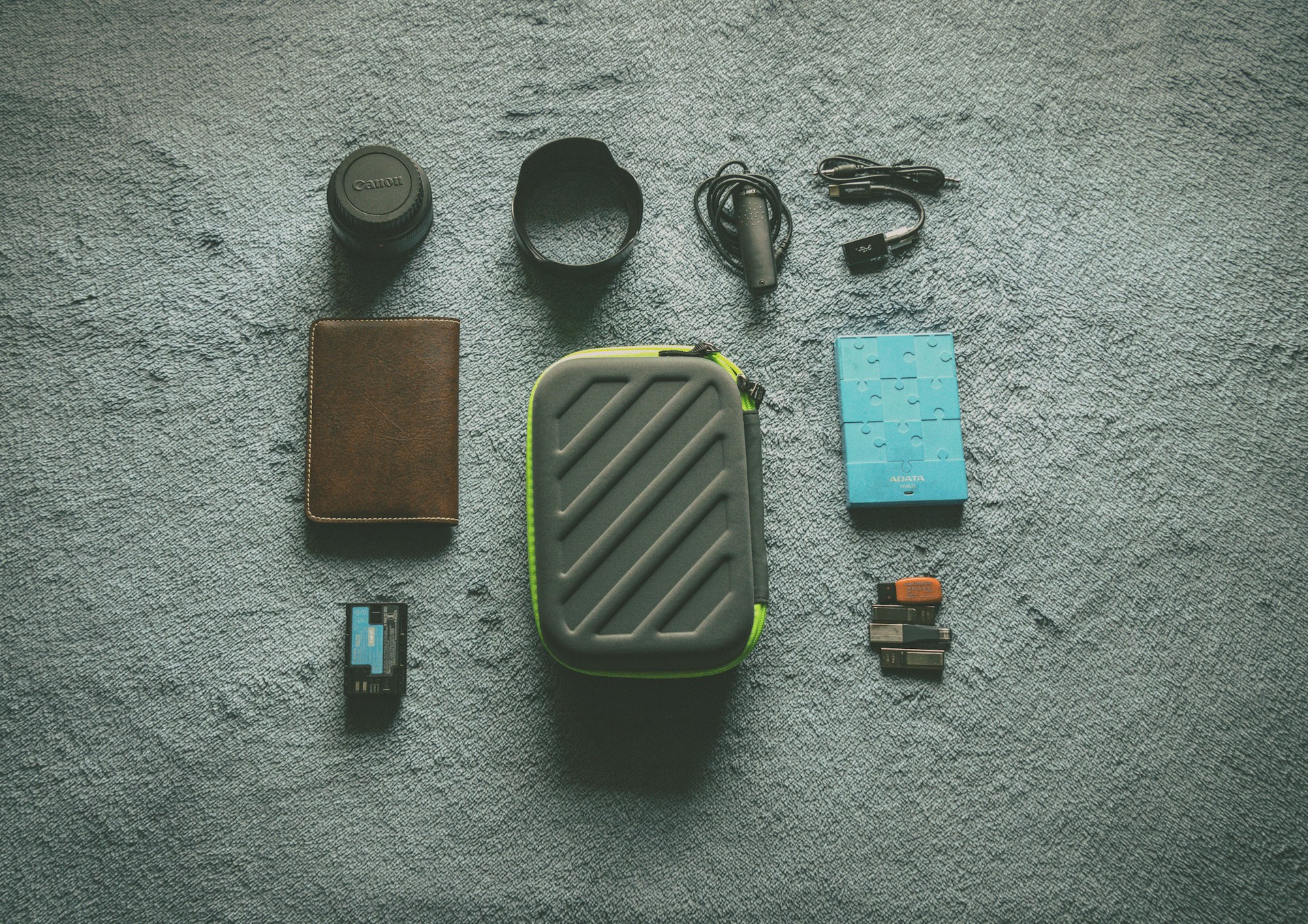
Must-haves include versatile clothing pieces, essential medications, chargers, a reusable water bottle, and a good travel adapter. These are non-negotiables. Everything else? Think critically about it. That “just in case” outfit? You probably won’t need it. The sixth pair of shoes? Leave them at home.
Remember, most destinations have stores. You can buy toiletries, basic clothing, or forgotten items almost anywhere. This mindset frees you from overpacking and gives you flexibility. Plus, shopping locally is part of the adventure and supports local businesses.
Choose clothing appropriate for your destination’s climate, but also consider layering. A light jacket or cardigan works in air-conditioned spaces and cooler evenings. Comfortable walking shoes are essential – prioritize function over fashion because your feet will thank you after a day of exploring.
Staying Connected While Exploring
Mobile Technology for Travelers
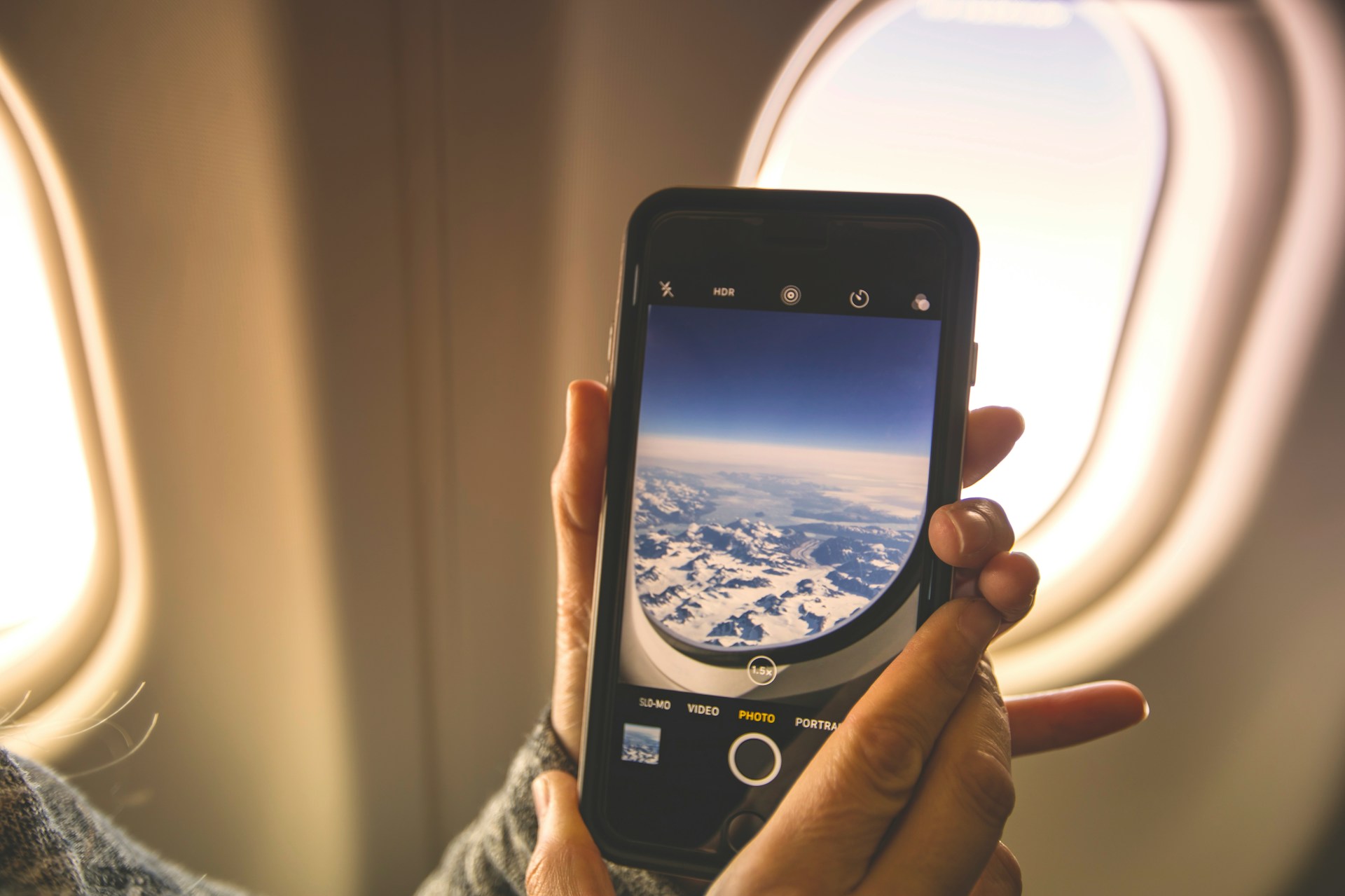
Let’s be real: your smartphone is probably your most important travel tool. It’s your camera, map, translator, booking agent, and lifeline to home all in one device. Having a reliable phone makes traveling smoother and safer.
If you’re in the market for a new device before your trip, consider smartphones with excellent camera quality, long battery life, and ample storage for all those photos and travel apps. Companies like M1 offer great options with travel-friendly features that keep you connected wherever you roam. Look for phones with good international compatibility and the ability to use different SIM cards.
Before you leave, download essential apps: Google Maps with offline capability, translation apps, currency converters, and your airline’s app. Load your accommodation addresses and important information while you still have good internet. A portable charger or power bank is essential – I never leave home without mine. There’s always that moment when you need directions and your battery is at five percent.
Internet Access and Communication
Staying online while traveling is easier than ever, but you need a strategy. Research whether your current phone plan offers international roaming and at what cost. Sometimes it’s worth paying for a travel package with your home carrier.
Alternatively, buying a local SIM card at your destination often gives you better rates and faster data. Just make sure your phone is unlocked before you travel. Portable WiFi devices are another option, especially if you’re traveling with family or friends who can split the cost.
Use messaging apps like WhatsApp, Telegram, or Signal to stay in touch with people back home. They work over WiFi or data and are usually free. Download your maps for offline use – Google Maps lets you save entire regions. This saves data and works even when you don’t have a signal.
Be mindful of data usage by turning off automatic updates and limiting video streaming. Connect to WiFi at your accommodation, cafes, or restaurants whenever possible. Most places offer free WiFi these days, though connection quality varies.
Health and Wellness on the Go
Personal Care Essentials
Maintaining your personal care routine while traveling doesn’t have to be complicated. The key is simplifying without compromising what makes you feel good. Invest in quality travel-sized containers and decant your favorite products. This way, you’re not stuck with products that don’t work for your skin or hair just because they came in travel size.
If you’re traveling through Southeast Asia, particularly Singapore, you’ll find excellent shopping options for personal care. From high-end brands to local favorites, you can easily find quality hair products singapore and other essentials at duty-free shops or local stores. This is actually a great strategy: pack the basics and plan to shop for additional items at your destination.
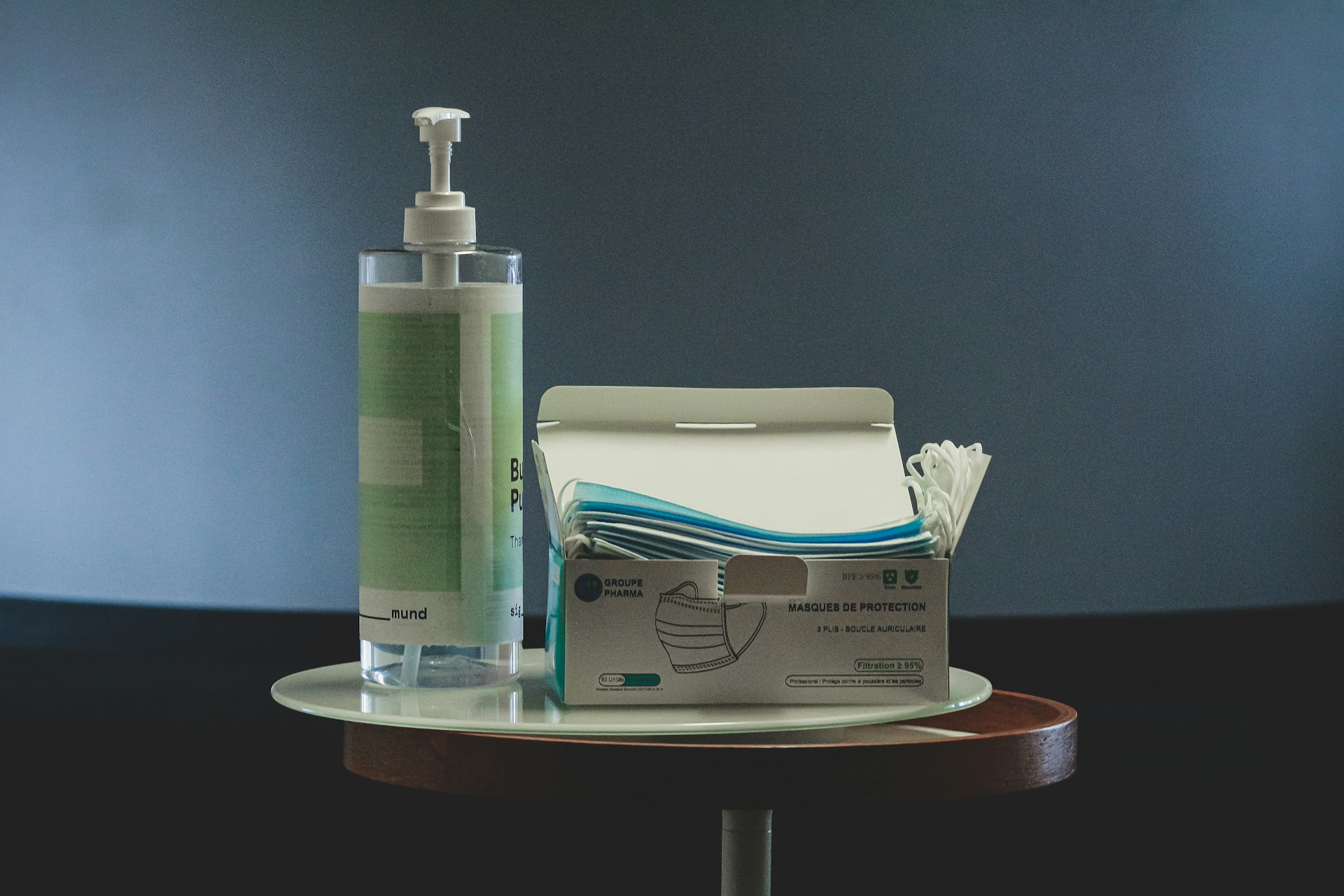
Skincare needs adjustment based on climate. If you’re going somewhere humid, you might need lighter moisturizers. Dry climates require extra hydration. Always pack sunscreen regardless of your destination – sun protection is essential everywhere. A good lip balm, hand sanitizer, and face wipes are small items that make a big difference in your comfort level.
Don’t forget about dental care, nail clippers, and any specific grooming tools you use regularly. A small first-aid kit with band-aids, pain relievers, anti-diarrhea medication, and any prescription medicines is essential. Pack medications in your carry-on with prescriptions or original packaging, especially if you’re crossing international borders.
Staying Healthy During Your Adventure
Jet lag is real, and it can steal your first few days of vacation if you’re not careful. Start adjusting your sleep schedule a few days before departure. On the plane, drink lots of water, avoid too much alcohol, and try to sleep according to your destination’s time zone. When you arrive, get sunlight exposure to help reset your body clock.
Hydration is crucial, especially if you’re going somewhere hot or doing a lot of walking. Carry a reusable water bottle and refill it throughout the day. In places where tap water isn’t safe, stick to bottled or filtered water. Dehydration causes headaches, fatigue, and irritability -all things that ruin your travel vibe.
Eating healthy while traveling is about balance. Yes, try the local cuisine – that’s part of the adventure! But also include fruits, vegetables, and balanced meals. Street food can be amazing and safe; just use common sense and eat where locals eat. If a place is busy with locals, the food is probably fresh and safe.
Moving your body keeps you energized. Walk whenever possible – it’s the best way to see a place anyway. Take the stairs, explore on foot, and you’ll feel better than if you’re sedentary all day. Listen to your body and rest when needed. Vacation exhaustion is real, and there’s no shame in taking an afternoon nap or having a low-key day.
Making the Most of Your Experience
Embracing Local Culture
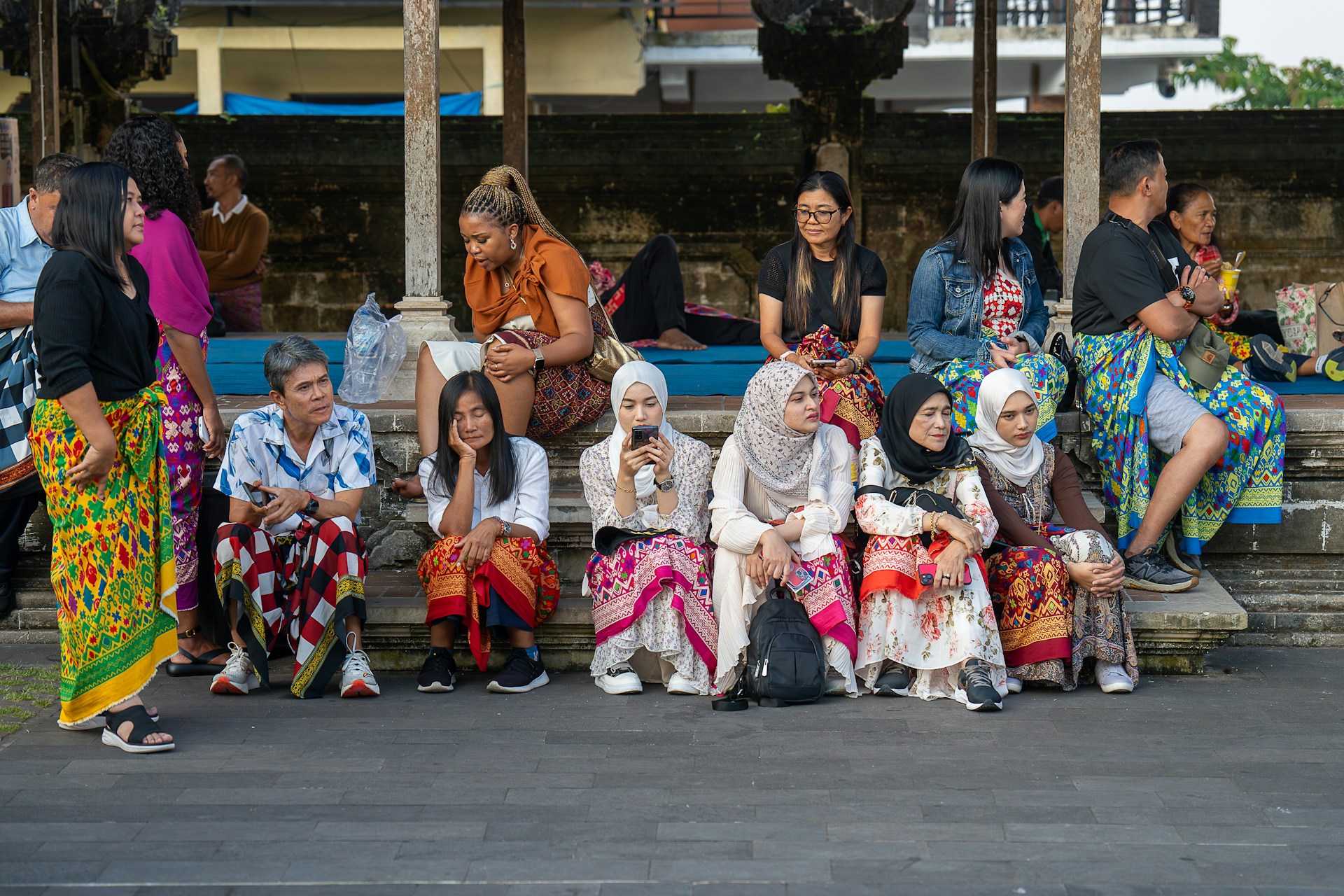
The difference between being a tourist and being a traveler is engagement with local culture. Learn a few basic phrases in the local language – hello, thank you, please, and excuse me go a long way. Locals appreciate the effort, even if your pronunciation is terrible. It shows respect and often leads to better interactions and service.
Research cultural norms before you go. Some cultures find certain gestures offensive. Dress codes matter in religious sites. Eating customs vary widely. A little cultural awareness prevents embarrassing situations and shows respect for your hosts.
Skip some of the overcrowded tourist traps and seek authentic experiences. Eat where locals eat. Visit neighborhood markets. Take public transportation. Join a local tour guide instead of a big bus tour. These experiences give you real insight into how people actually live and often create the most memorable moments of your trip.
Support local businesses whenever possible. Buy from local artisans instead of chain stores. Eat at family-run restaurants. Stay at locally-owned accommodations. Your money makes a bigger impact in local communities, and you often get more personalized, authentic experiences.
Budgeting and Money Management
Smart money management enhances your trip rather than restricting it. Know that credit cards often offer better exchange rates than currency exchange booths, but check if your card charges foreign transaction fees. Having some local cash is always wise for small purchases, tips, or places that don’t accept cards.
Avoid exchanging money at airports if possible – they typically have the worst rates. Use ATMs in the city, but check your bank’s international fees first. Some banks reimburse ATM fees for certain account types. Withdraw larger amounts less frequently to minimize fees.
Free and low-cost activities exist everywhere. Free walking tours, parks, beaches, temples, and people-watching in local neighborhoods cost nothing but provide rich experiences. Museums often have free admission days or evenings. Research these options before you go.
Track your expenses loosely without obsessing. Use a simple app or note on your phone to record major purchases. This helps you stay within budget without killing the spontaneous fun of travel. Build in flexibility for those unexpected opportunities – maybe a cooking class or a day trip you didn’t plan.
Conclusion
Smarter travel isn’t about perfection or following rigid rules. It’s about preparation that enables freedom, thoughtful choices that enhance your experience, and staying open to adventure while managing the practical stuff effectively. You don’t need to be wealthy or have unlimited time to travel well – you just need to be intentional about your choices.
The tips in this guide work for weekend warriors and extended travelers alike. Start with small improvements in your travel style and build from there. Every trip teaches you something new about what works for you. So pack your bags, trust your preparation, and get ready for your next adventure. The world is waiting, and you’re ready to explore it smartly.
FAQs
How far in advance should I start planning my trip?
For international travel, start planning two to three months ahead to get good flight deals and accommodation options. For domestic or weekend trips, three to four weeks is usually sufficient. However, if you’re traveling during peak season or to popular destinations, booking earlier gives you more choices and better prices.
What’s the best way to keep important documents safe while traveling?
Keep physical copies in a secure location like a hotel safe, and carry only what you need for the day. Store digital copies in your email or secure cloud storage. Consider using a money belt or hidden pocket for passports and cards when out exploring. Never keep all your cards and cash in one place.
Should I purchase travel insurance for every trip?
Travel insurance is highly recommended, especially for international trips or expensive bookings. It protects you against trip cancellations, medical emergencies, lost luggage, and other unexpected events. The peace of mind is worth the relatively small cost, and it can save you thousands if something goes wrong.
How can I avoid overpacking without forgetting essentials?
Create a packing list on your phone that you can reuse and refine for each trip. Pack versatile clothing items that mix and match. Remember that most destinations have stores where you can buy forgotten items. If you haven’t worn something on the last three trips, remove it from your packing routine.


