

Europe’s most popular destinations attract visitors year after year, but the Balkans have been quietly making a case for themselves as the continent’s most rewarding region for those willing to look a little further.
Balkan travel is surging, with Albania ranked third in the world for tourism growth in 2024 according to the UNWTO, recording an 80% increase in international arrivals compared to pre-pandemic levels, as travellers seek out authentic experiences away from the crowds. From fortified medieval towns to mountain ski resorts, here are five destinations that deserve far more attention than they receive.
Kotor, Montenegro
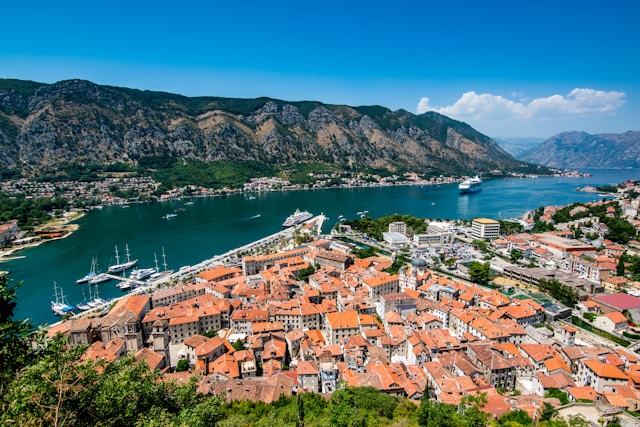
Tucked between the steep walls of a mountain-rimmed bay on the Adriatic coast, Kotor is one of the most dramatically situated towns in Europe. Its UNESCO-listed Old Town is a maze of cobbled lanes, Romanesque churches, and Venetian-influenced architecture enclosed within centuries-old stone fortifications.
Climb the city walls for views across the bay, often described as Europe’s southernmost fjord, and you’ll understand immediately why this place has been drawing admiring visitors since the mediaeval era. Unlike Dubrovnik just up the coast, Kotor still offers something approaching a quieter, more genuine experience.
Bansko, Bulgaria
Bulgaria tends to be associated with its Black Sea resorts, but Bansko, nestled in the Pirin Mountains in the country’s southwest, offers something entirely different. The cobbled old town, with its stone-built houses and traditional taverns, sits alongside a modern ski infrastructure that has made Bansko one of the most popular destinations for Bulgaria ski holidays in the whole of Europe.
In winter, it’s a lively, affordable alternative to the Alps; in summer, the same mountain landscape changes into excellent hiking territory, with trails threading through Pirin National Park.
Berat, Albania
Few places in the Balkans carry the weight of history quite like Berat. Known as the City of a Thousand Windows for its distinctive Ottoman-era houses stacked up the hillside with rows of matching white-framed windows, it is one of Albania’s two UNESCO World Heritage cities and one of the best-preserved examples of Balkan Islamic architecture anywhere in the region.
The hilltop castle offers sweeping views over the Osum River valley below, and the mix of Byzantine churches, Ottoman mosques, and mediaeval fortifications within its walls tells the story of a town that has passed through many hands over the centuries.
Rastoke, Croatia
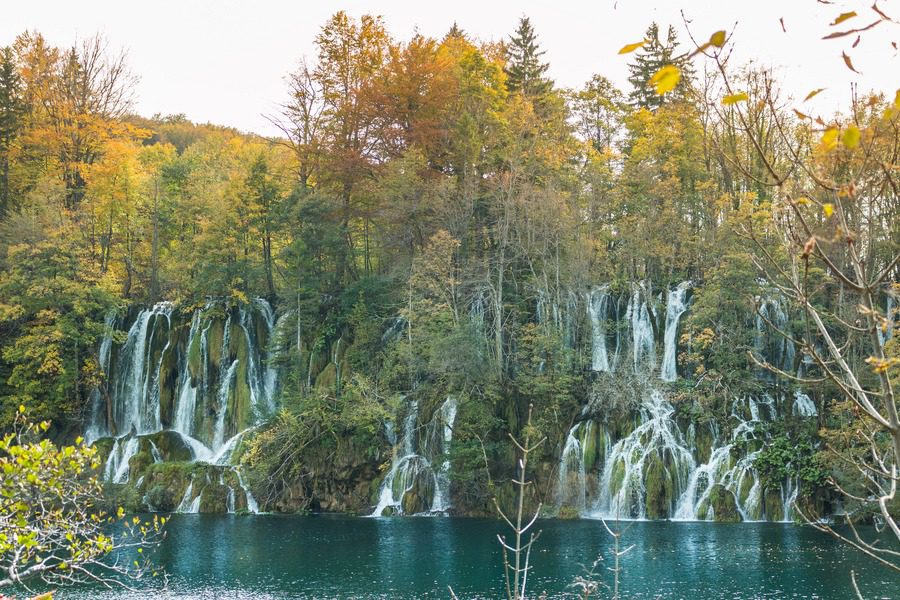
Croatia’s Dalmatian coastline tends to dominate the conversation, but the village of Rastoke in the inland Lika region is a very different kind of beauty. The settlement is built across a series of cascading waterfalls and streams where the Slunjčica River meets the Korana, with traditional watermills straddling the water at every turn.
It’s one of those rare places that look as though they haven’t changed in centuries, an ideal stop for those travelling between Zagreb and the Plitvice Lakes who want to slow down and take in something unusual.
Novi Sad, Serbia
Serbia’s second city sits on the banks of the Danube in the northern Vojvodina region and carries an air of relaxed, continental elegance that takes many first-time visitors by surprise. The dominant landmark is the Petrovaradin Fortress, a vast 18th-century Austro-Hungarian fortification perched on a riverside bluff whose underground tunnels and bastions are worth exploring at length.
The city’s café culture, open squares, and well-preserved architecture make it an easy place to spend several days, and its annual EXIT music festival draws visitors from across Europe each summer.
The Balkans reward the curious traveller generously. Whether you’re drawn by history, mountain scenery, winter sport, or simply the appeal of somewhere that hasn’t yet been flattened by mass tourism, these five destinations offer an excellent place to start.


