

I’ve been travelling internationally for more than 20 years and have visited more than 80 countries, so I’ve planned my fair share of complicated trips. But my recent Central Asia trip was a particularly good lesson in how to plan a multi-country itinerary, because the trip I actually took looked very different from the trip I originally imagined.
I started out wanting to visit all five of the “Stans”. I ended up visiting Kazakhstan and Uzbekistan, with a very last-minute addition of Tajikistan that wasn’t even on my original itinerary. Along the way, I changed my route, rearranged cities, missed a flight, lost a night in Khiva, found another flight when I thought there wasn’t one, and learnt that sometimes the best travel plan is simply to have a good plan and then be prepared to throw it out the window.
So if you’re wondering how to plan a multi-country trip, here’s exactly how I do it, using my Central Asia trip as a real-life example.
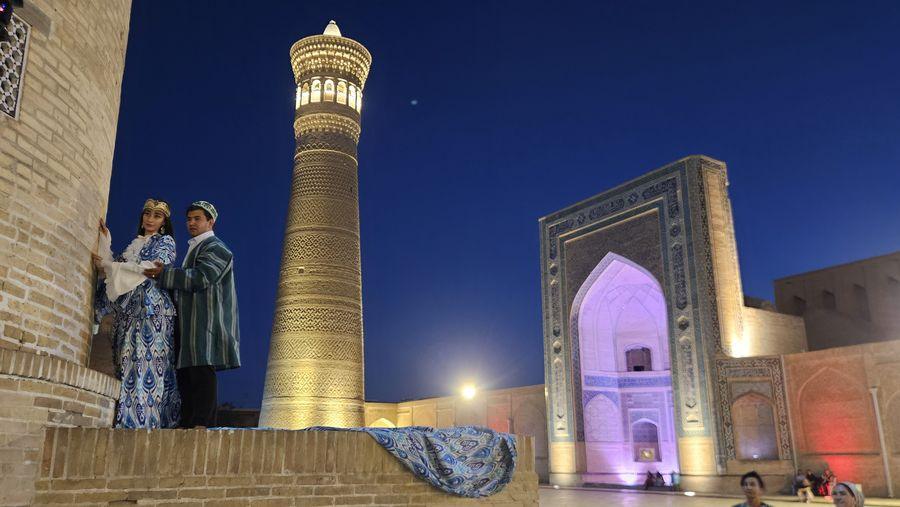
Multi-Country Trip Planning: At a Glance
If you’re starting from scratch and wondering where on earth to begin, this is the order I’d recommend:
- Decide how much time you actually have.
- Research the countries in the region.
- Choose the countries you genuinely want to visit.
- Build a logical multi-country route.
- Work out how many days you’ll actually lose to travel.
- Check visa and border requirements.
- Compare flights, trains, buses, ferries and other transport.
- Book transport and experiences that are likely to sell out.
- Choose accommodation based on location.
- Avoid changing hotels unnecessarily.
- Build a realistic multi-country travel budget.
- Work out your cards, cash, eSIM and travel insurance.
- Leave room for delays, mistakes and spontaneous adventures.
- Keep one master itinerary with all your important information.
- Then stop planning and enjoy your trip.
It sounds like a lot, but once you break it down, planning a trip to multiple countries becomes much easier.
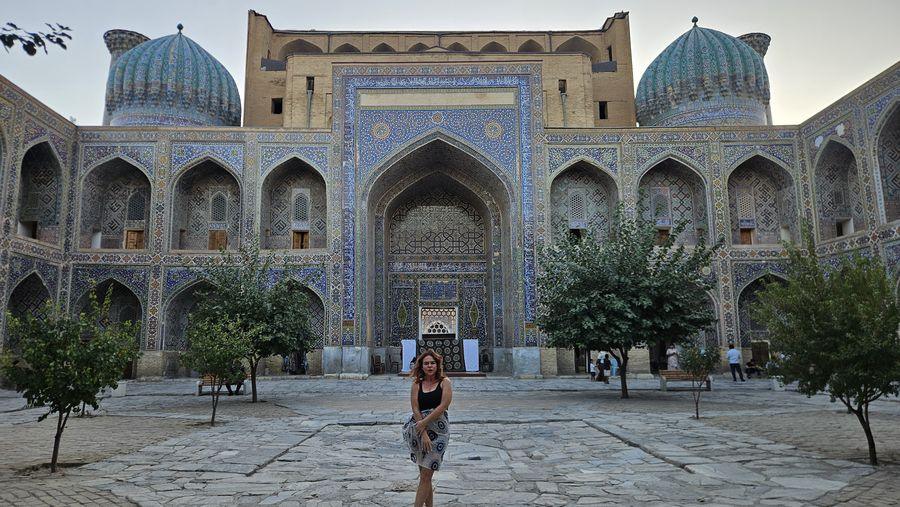
Start With How Much Time You Have
The first thing I would work out when planning a multi-country trip is how much time you actually have.
Not how much time you’d love to have. How much time you realistically have available for the trip. That is going to be the biggest deciding factor in how many countries you can visit and how much time you can dedicate to each one.
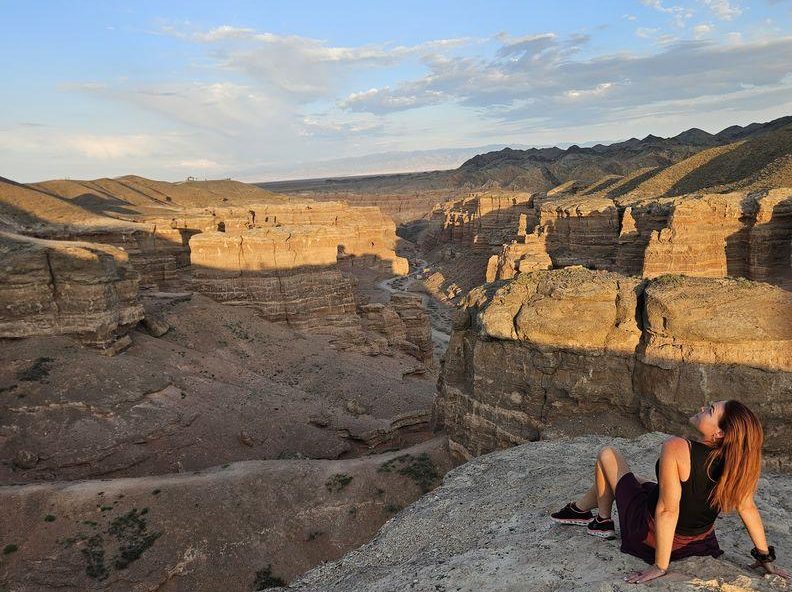
When I first started thinking about travelling to Central Asia, I wanted to visit all five of the Stans: Kazakhstan, Kyrgyzstan, Tajikistan, Turkmenistan and Uzbekistan.
Then I started researching.
Turkmenistan immediately became a problem. The visa process can be complicated and involves additional requirements such as sponsorship or letters of invitation depending on your circumstances. I was planning this trip only about three weeks before I was due to leave, so I simply didn’t have the time to organise it.
Fine. Five Stans became four.
Then I looked at my actual timeframe and thought, hang on, maybe four countries in two weeks is a little bit ridiculous.
So I narrowed it down again to Kazakhstan, Uzbekistan and Kyrgyzstan.
Then I started watching YouTube videos.
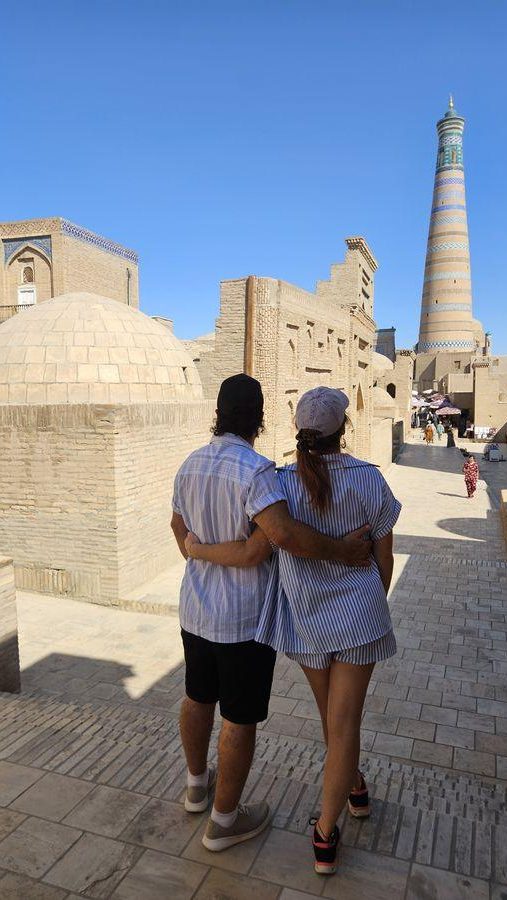

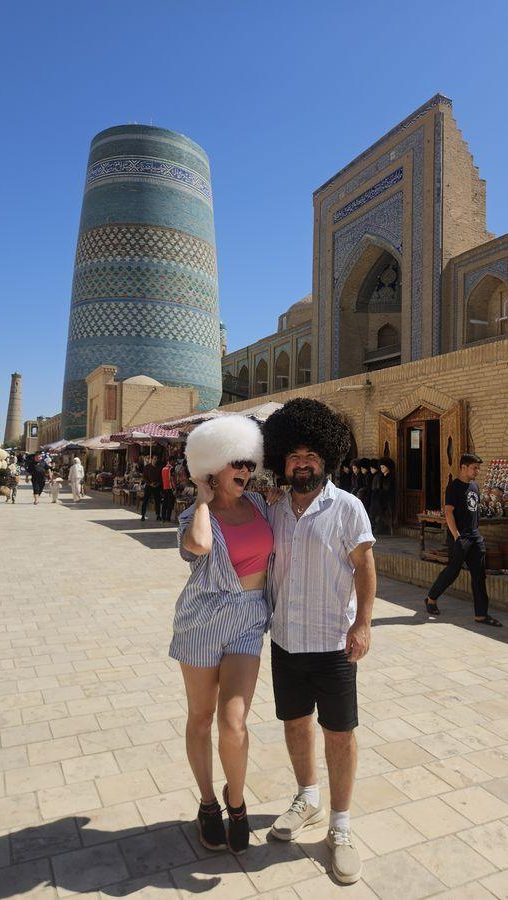
Research the Countries Before You Commit to Your Route
Central Asia had never really been on my tourism radar. Obviously I’d heard of Kazakhstan. Borat made sure of that. But I’d never really considered the region as somewhere I would go on holiday, and I didn’t know much about travelling through these countries.
Tourism in Central Asia has historically been relatively small compared with many other destinations, although that is changing. Once I started watching travel videos and seeing what was actually there, I became fascinated by it.
And then Uzbekistan started stealing my heart.
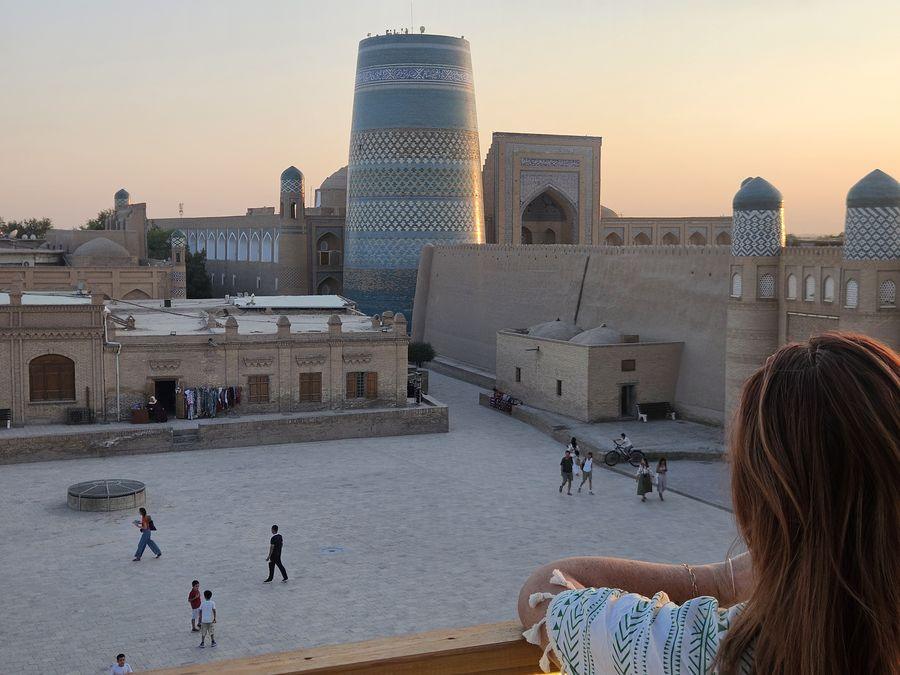
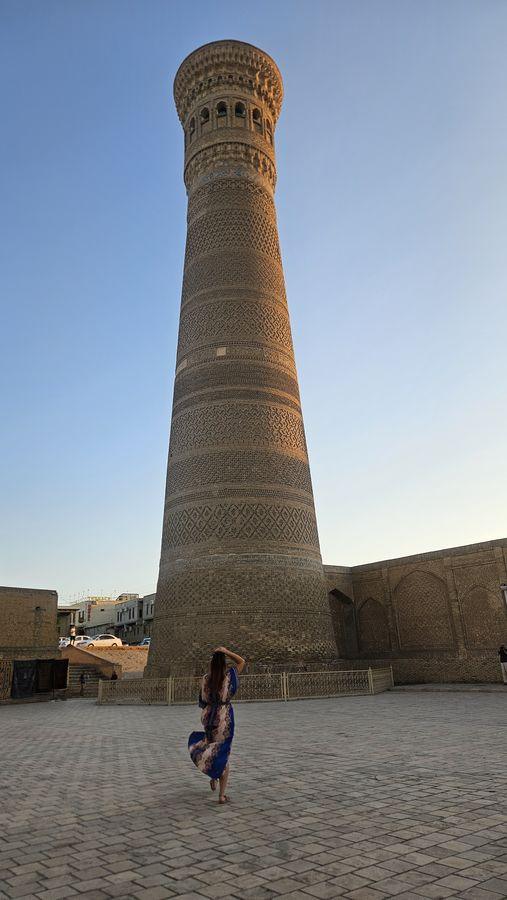
I realised there was absolutely no way I wanted to give Uzbekistan three or four days. I wanted a proper week there because I wanted to see Tashkent, Khiva, Bukhara and Samarkand. And I have a 2-night hotel policy 😀
That meant my itinerary had to change again.
This is why I think research is such an important part of planning a multi-country trip. You might start thinking you want to visit five countries, then discover one has complicated entry requirements, another needs more time than you realised, and another simply isn’t as high on your list once you’ve actually researched it.
You might also discover somewhere you absolutely cannot bear to rush.
For me, that was Uzbekistan.
Don’t Just Count Countries. Count Travel Time.
This is one of the biggest things I think people underestimate when planning a multi-country itinerary.
You can’t simply say, “I’ll spend a week in Kazakhstan and a week in Uzbekistan,” and assume you have two full weeks to explore.
Travel days count.
When I was travelling from Australia, our journey involved an eight-hour layover in Kuala Lumpur. I left Perth on 17 August and didn’t arrive in Almaty until the evening of 18 August.
So there’s already almost two full days gone just getting there.
Then there was the journey from Kazakhstan to Uzbekistan. Yes, the flight itself was short, but getting to the airport, arriving early, flying, getting out of the airport, and getting into the city still takes a large chunk of your day.
I always tell people to look at the entire travel day, not just the flight time.
A one-hour flight isn’t really a one-hour travel experience.
It can easily be half a day.
That’s why I built travel days around my itinerary rather than trying to squeeze them into my sightseeing time. What started as two weeks in Central Asia became roughly a two-and-a-half-week trip once I allowed for getting there and getting home.
And I’m very glad I did.
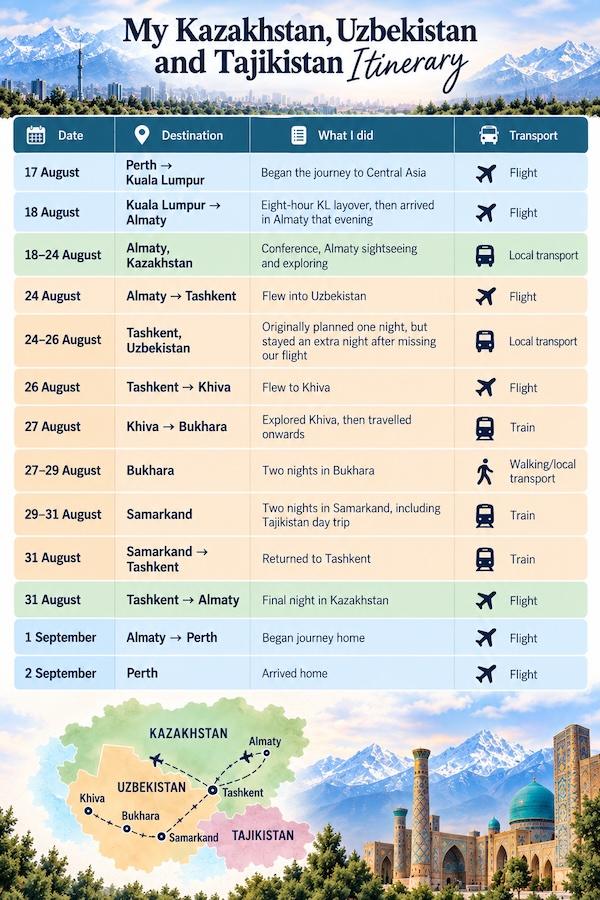
My Kazakhstan, Uzbekistan and Tajikistan Itinerary
Here’s what my actual Central Asia itinerary looked like.
| Date | Destination | What I did | Transport |
|---|---|---|---|
| 17 August | Perth → Kuala Lumpur | Began the journey to Central Asia | Flight |
| 18 August | Kuala Lumpur → Almaty | Eight-hour KL layover, then arrived in Almaty that evening | Flight |
| 18–24 August | Almaty, Kazakhstan | Conference, Almaty sightseeing and exploring | Local transport |
| 24 August | Almaty → Tashkent | Flew into Uzbekistan | Flight |
| 24–26 August | Tashkent, Uzbekistan | Originally planned one night, but stayed an extra night after missing our flight | Local transport |
| 26 August | Tashkent → Khiva | Flew to Khiva | Flight |
| 27 August | Khiva → Bukhara | Explored Khiva, then travelled onwards | Train |
| 27–29 August | Bukhara | Two nights in Bukhara | Walking/local transport |
| 29–31 August | Samarkand | Two nights in Samarkand, including Tajikistan day trip | Train |
| 31 August | Samarkand → Tashkent | Returned to Tashkent | Train |
| 31 August | Tashkent → Almaty | Final night in Kazakhstan | Flight |
| 1 September | Almaty → Perth | Began journey home | Flight |
| 2 September | Perth | Arrived home | Flight |
And yes, I realise there is a slight irony in writing a carefully planned multi-country itinerary article when my own itinerary involved accidentally missing a flight and changing the plan.
But honestly, that’s the point.
Build Your Multi-Country Route Properly
Once you’ve decided which countries you’re visiting, start working out how you’re actually going to move between them.
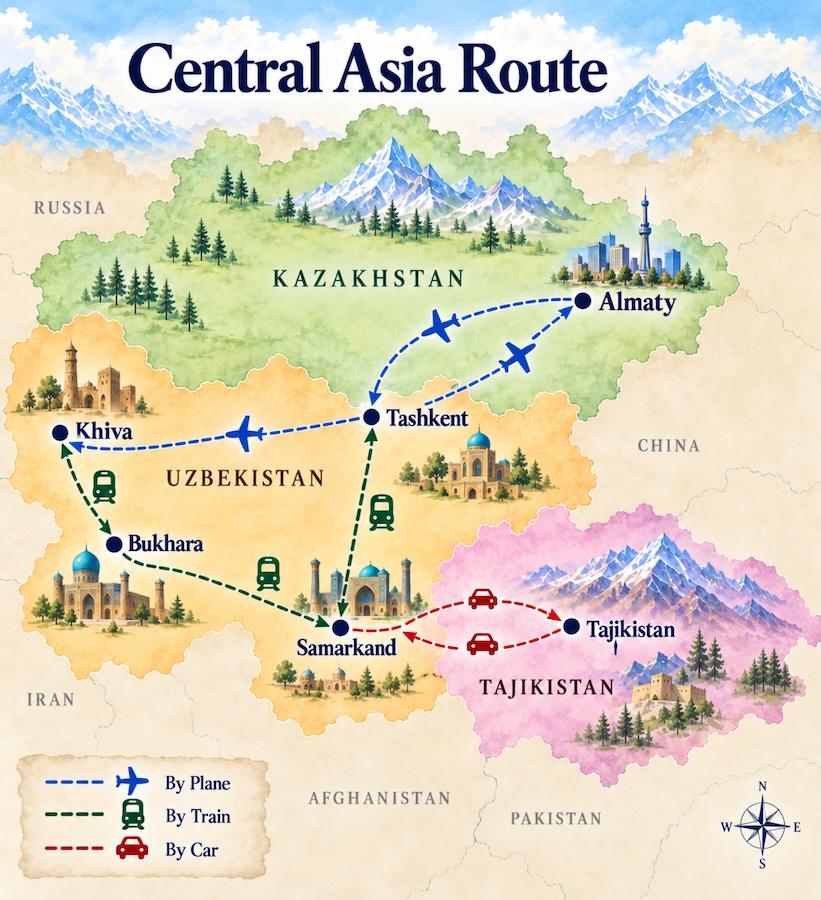
For me, Kazakhstan was fixed because I was speaking at the world’s largest travel blogging conference. I knew I needed roughly a week there, and I knew I wanted a full week in Uzbekistan.
So the route became:
Perth → Almaty → Tashkent → Khiva → Bukhara → Samarkand → Tashkent → Almaty → Perth
That route wasn’t necessarily the most obvious one when I first started planning. It evolved based on flights, trains, availability and how much time I wanted in each place.
When you’re planning your own multi-country trip, write out the route before you start booking random things.
Ask yourself where you are starting, where you want to finish, how you’re getting between each destination and whether you’re doubling back unnecessarily.
A logical route can save you an enormous amount of time.
Of course, planning a multi-country trip isn’t just about getting from A to B. What you’re going to eat along the way is equally important to me. I’ve also put together guides on where to eat in Central Asia and what to eat in Central Asia, because apparently I plan my international travel itinerary around food as much as flights.
Check Borders and Visa Requirements Early
Once you’ve chosen your countries, check the visa and border requirements before booking everything else.
This was one of the reasons Turkmenistan disappeared from my itinerary. The visa requirements simply weren’t practical for the short amount of time I had available.
For the other Central Asian countries I visited, travelling on an Australian passport was much simpler. But visa rules change, so don’t rely on something someone wrote in a travel blog five days ago.
Check the current requirements for your passport and your dates of travel, particularly if you’re crossing land borders rather than flying.
Also check your passport validity, entry requirements, number of permitted entries and whether you need anything additional for particular regions.
Work Out How You’re Getting Between Countries
Once the route is decided, look at all your transport options.
For this trip, we flew from Almaty to Tashkent. Within Uzbekistan we used a combination of flights and trains, and we used Yandex Go for getting around locally.
And after travelling by train in Uzbekistan, I have to say, the train has become my new favourite way to travel.
It was fast, comfortable and incredibly convenient. When you’re travelling between major cities, getting dropped in or near the city centre can be so much easier than dealing with airports.
I’m not really a bus person, but buses are another option. Depending on where you’re travelling, you might also have ferries, rental cars, private transfers or shared transport.
When we’re travelling in Türkiye, for example, we’ll often look at ferries when travelling between Turkey and Greece.
The important thing is to compare the whole journey, not just the time spent physically travelling.

One-Way Flights vs Return Flights
This is something I think travellers get unnecessarily hung up about.
There used to be a much stronger perception that return flights were always dramatically cheaper than buying two one-way flights. These days, that isn’t necessarily the case, particularly when you’re travelling internationally and your itinerary doesn’t naturally bring you back to the same place.
If you’re not sure exactly when you want to come home, I would seriously consider booking the outbound flight first rather than locking yourself into a return flight simply because you’ve always been told return flights are cheaper.
And if you’re planning to fly home from a different country, definitely look at one-way or multi-city options.
For example, if your trip is:
Australia → Thailand → Vietnam → Cambodia → Australia
There is no reason to force yourself into a return flight to Thailand just because that’s where you started. Compare everything. Look at one-way flights. Look at return flights. Look at multi-city tickets. And then choose what actually works for your itinerary and budget.

Book the Things That Sell Out Fast
Once you have your route, work out which parts of the trip have limited availability.
This is particularly important for trains.
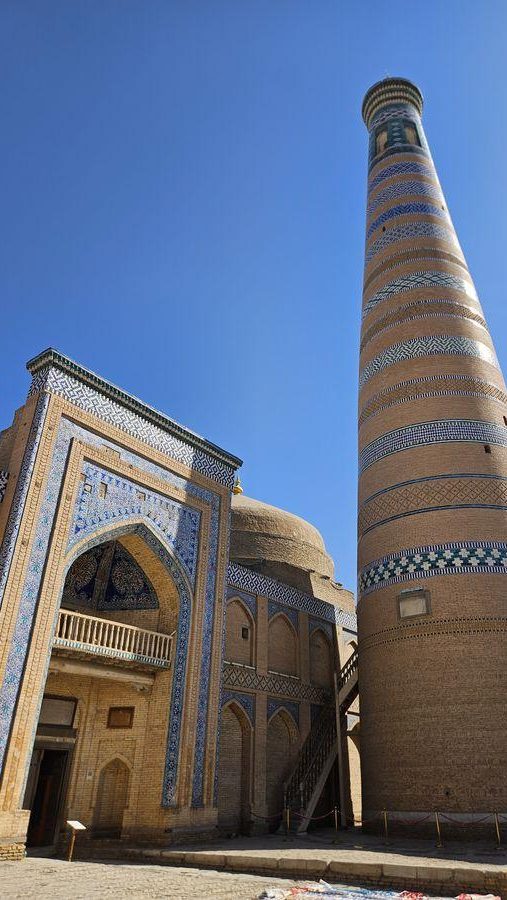
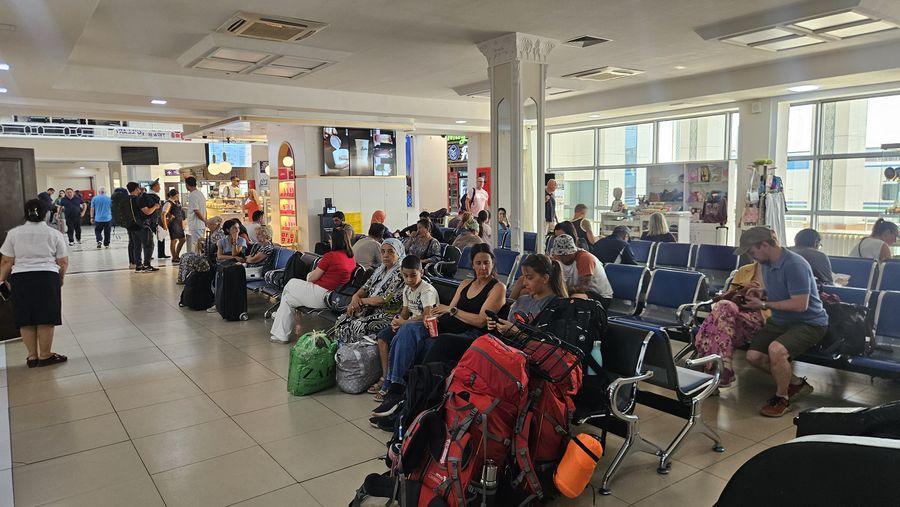
I was planning Uzbekistan very last minute, and by the time I started booking, many of the popular high-speed trains were already sold out.
The traditional route through Uzbekistan is often Tashkent, Samarkand, Bukhara and Khiva.
But the trains going towards Khiva were already booked out.
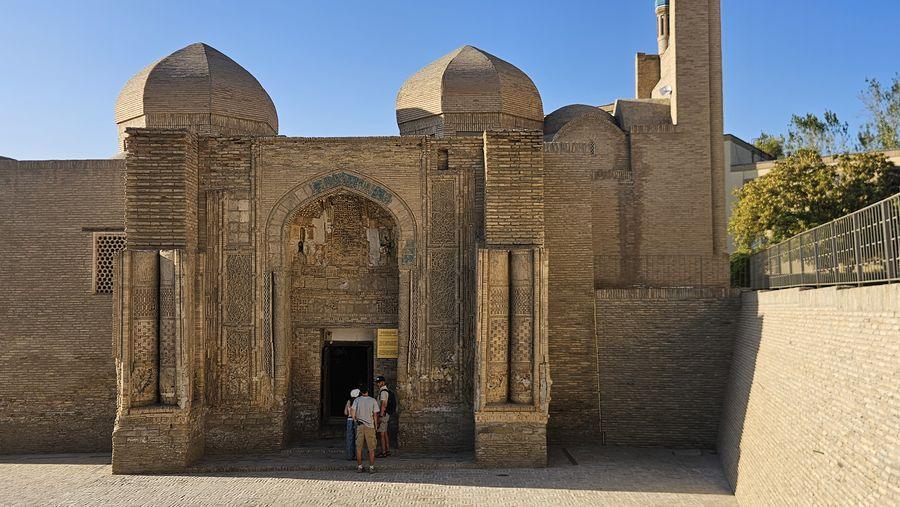
So we did Uzbekistan backwards.
Tashkent → Khiva → Bukhara → Samarkand.
And it worked.
This is why I recommend checking transport availability before you completely commit to an itinerary. If a particular train, ferry, flight or experience is essential to your trip, book that before filling the rest of the itinerary around it.

Choose Accommodation Based on What You Want to Do
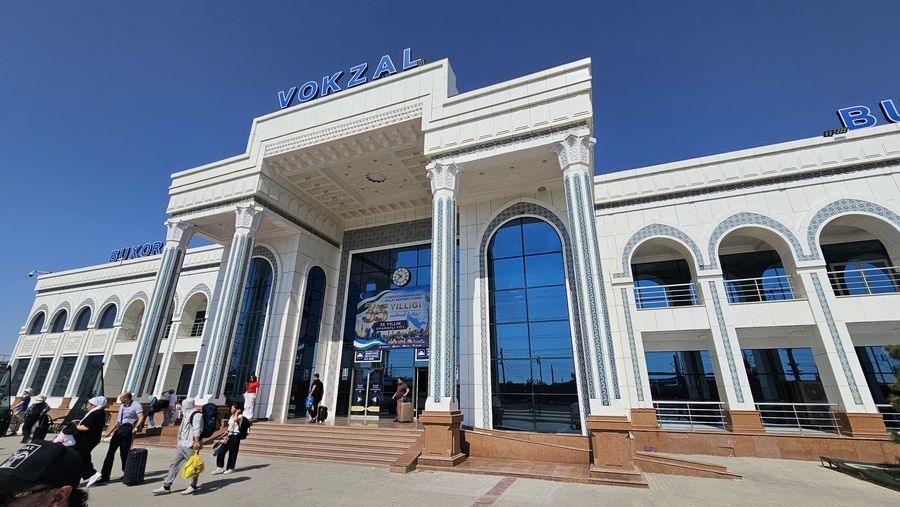
My general rule for accommodation is that I want to be able to walk everywhere.
Not necessarily because I want to save money on taxis. I just don’t want to spend my holiday sitting in taxis when I could be out exploring.
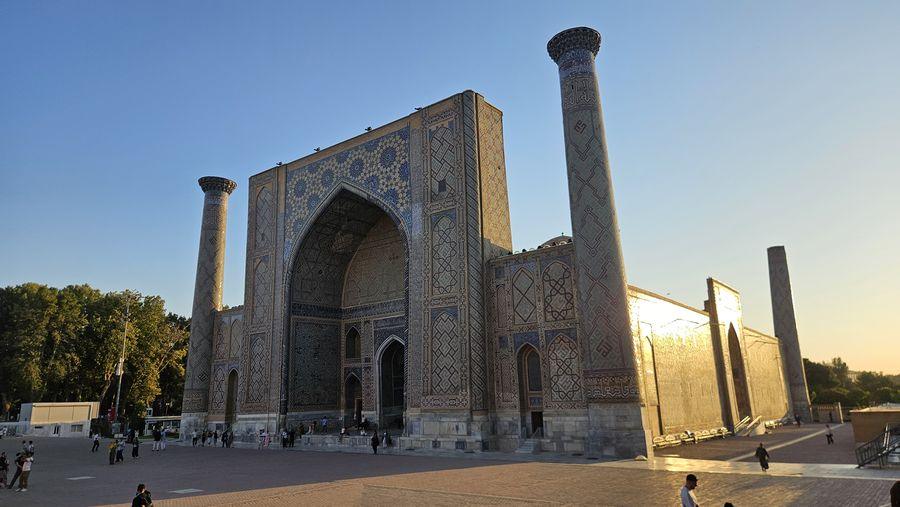
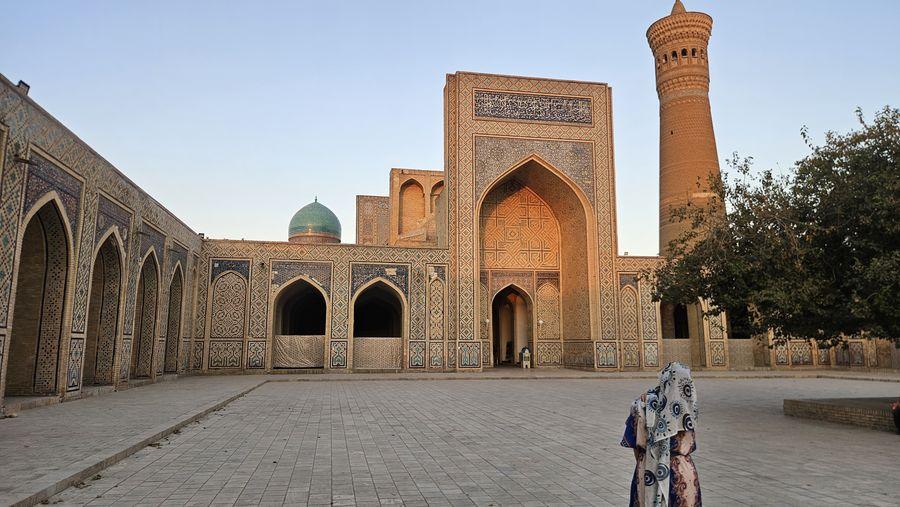
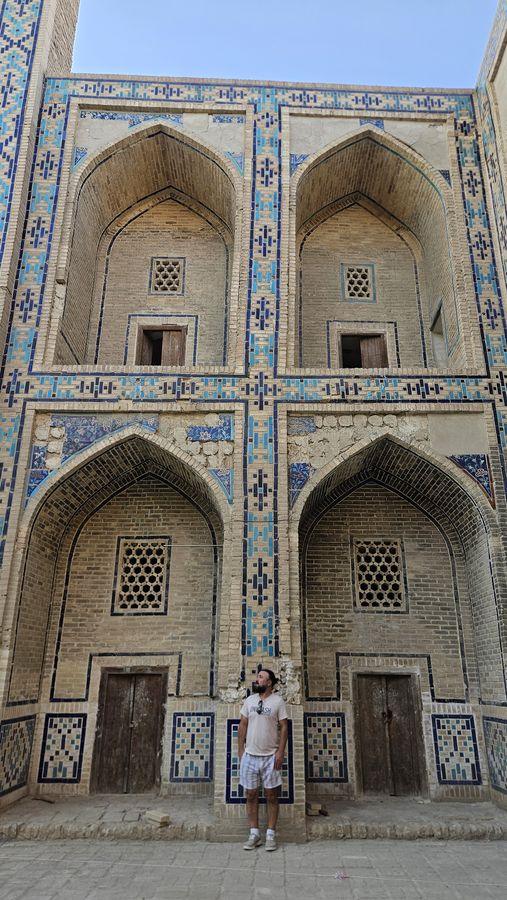
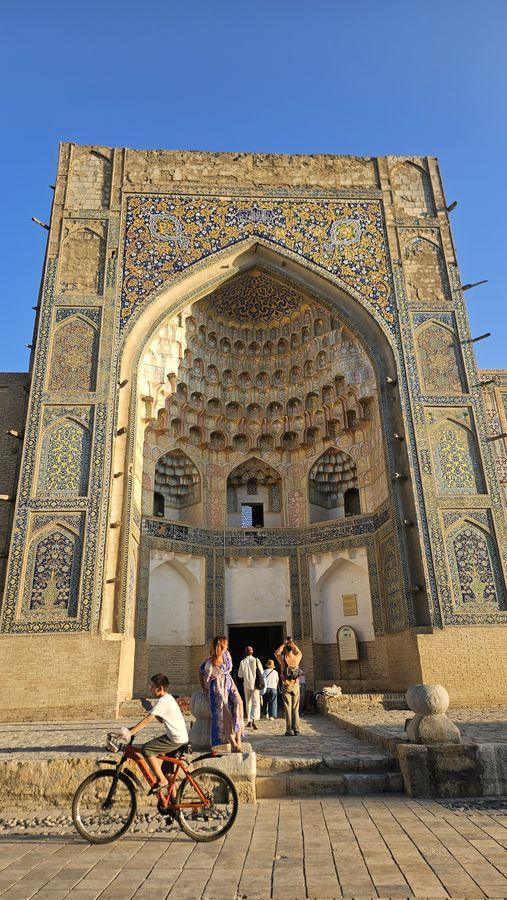
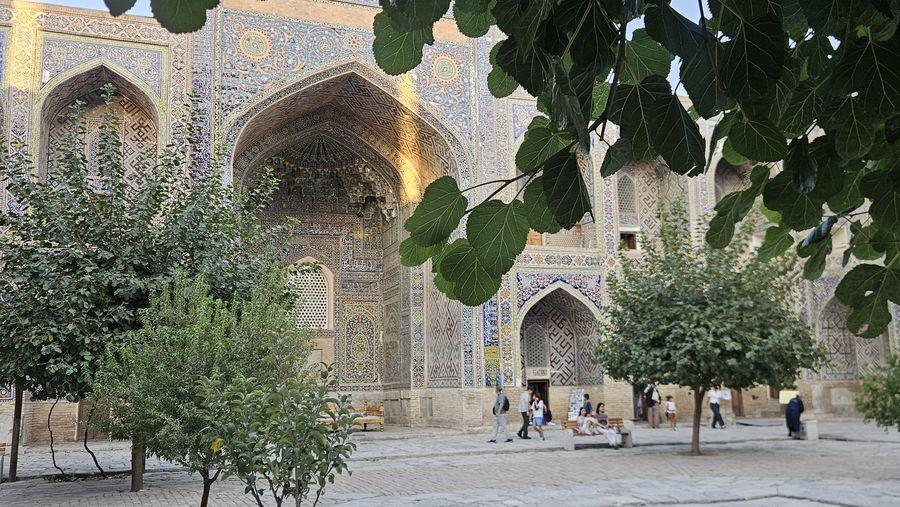
Uzbekistan made this really easy.
If the Old City is the reason you’re visiting, stay in or near the Old City. If you’re visiting a city primarily for a particular neighbourhood, attraction, or experience, staying nearby can save you a huge amount of time.
I also like to know where I’m going to eat before choosing where to stay. If you’re planning your own trip, my where to eat in Central Asia guide is a good place to start.
Almaty was a little different for us, and we used taxis much more often.
Think about what your primary goal is for each destination and choose your accommodation around that.

Don’t Change Hotels Every Night
Please don’t do this unless you absolutely have to.
Changing hotels is exhausting. You have to pack everything, check out, get yourself and your luggage somewhere else, wait until check-in, and then unpack everything again.
And remember that hotel check-in is often around 2 pm or 3 pm, while check-out might be 10 am or 11 am.
That’s a ridiculous amount of your holiday potentially spent in luggage limbo.
If you can stay in one hotel for three nights instead of changing hotels every night, do it.
You’ll save time, energy and probably a little sanity too.
Build a Realistic Multi-Country Travel Budget
Once I know what I want to do, I start working out what it’s going to cost.
Some people prefer to set a budget first and then decide where they’re going. That’s not really how I travel. I usually think, “This is what I want to do; now let’s build the budget around it.”
Make sure you include everything, not just your international flights and hotels.
Your multi-country travel budget should include flights, accommodation, trains, buses, taxis, transfers, food, activities, tours, visas, travel insurance, border costs, eSIMs, luggage fees, and any other expenses you know you’ll have.
Then I’d add a little buffer.
Because something could… may… will go wrong.
Or you’ll discover an amazing restaurant.
Or you’ll decide you absolutely need that expensive tour.
Travel happens.
Food is another part of your multi-country trip budget that can vary dramatically between destinations. And if you’re anything like me, you’ll want to know what you’re actually going to be eating before you arrive. Here’s my guide to what to eat in Central Asia, including the dishes I tried along the way.

Travel Insurance for a Multi-Country Trip
I always recommend travelling with travel insurance, and for trips like this I use SafetyWing.
When you’re visiting multiple countries, you’re potentially dealing with several flights, trains, border crossings, luggage transfers and a lot of moving parts.
Travel insurance isn’t something I want to be thinking about after something has gone wrong.
Make sure you understand what your policy actually covers, including medical expenses, delays, cancellations, baggage and any activities you’re planning to do.
And check the policy for your particular trip rather than assuming every travel insurance policy covers everything.
Work Out Your Money Before You Leave
I use several cards when I travel.
My credit card has no international transaction fees, and I also use my Wise card. I rarely bother changing large amounts of physical currency because I find cards and ATMs much easier.
I’ll usually withdraw some local cash when I arrive, particularly if I’m heading to markets or somewhere I know cash will be useful, but I pay by card wherever possible.
Apps such as Yandex Go are also great because you can pay through the app rather than worrying about having the right amount of cash for every taxi.
Before you leave Australia, check what your own bank cards charge for international transactions and ATM withdrawals. If you’re paying fees every time you tap or withdraw money, those costs can add up surprisingly quickly over a multi-country trip.
Don’t Pack Every Day With Activities
This is something I have become increasingly passionate about.
Leave room.
You don’t need every day to be packed with tours, attractions and reservations.
On this trip, we missed a flight.
And not because we were casually wandering around the airport having a coffee.
We genuinely had a travel disaster.
What Happens When Your Travel Plans Go Completely Wrong?
Our flight from Tashkent to Khiva was booked for the morning.
We were on our way to the airport when I realised there was a problem.
Tashkent has an international airport and a domestic airport.
I tried to communicate this to our driver, but between the language barrier and everything else going on, he didn’t understand which airport we needed.
We were dropped at the international airport.
And that’s when we realised we were going to be very late.
We had to get another taxi and race across to the domestic airport.
When we arrived, there were passport checks and security and all the usual airport chaos. We were rushing around trying to get ourselves organised when suddenly we realised something.
Our passports were missing.
Actually, it wasn’t just our passports.
The entire bag was missing.
Our passports, credit cards, cash. Everything.
View this post on Instagram
At this point I was fairly certain the holiday was about to become significantly more complicated.
Thankfully, Ahmet’s Turkish was enough to communicate surprisingly well in Uzbekistan because the languages have similarities. And while we had an eSIM, it meant we had data, which was great for translation, rebooking, etc. But no phone calls.
The airport security guards were fantastic.
They used their own phone to call our taxi driver and asked whether we’d left our bag in the taxi.
We hadn’t.
So the only other place we could think of was the hotel where we’d stopped for lunch before heading to the airport.
We called the hotel.
They had our bag.
Thank goodness.
There was just one problem.
The taxi driver who had dropped us at the airport was sent back to the hotel to collect it. That’s about a 20-minute drive each way. So there went another 40 minutes, plus the time involved in everything else.
I watched helplessly from my plastic chair outside the airport, as my plane soared overhead.
By the time our passports and bag were back with us, the plane was long gone.
Don’t Take “No Flights Available” as the Final Answer
This is where I learnt another very useful lesson. We were directed to the ticketing desk at the airport. They were not particularly helpful, and there were no more flights that night. The flights the next day were quite expensive.
DO NOT PANIC and give in to the ticketing counter. Literally 5 steps away, I sat down on the airport chairs. Connected my laptop to my eSIM Wi-Fi (because everyone knows big decisions need a big screen!) and started researching flights myself.
The following day, both Booking.com and the airlines were showing no available flights. I also checked the overnight train, and again, SOLD OUT.
I did not give up and decided to try a few more aggregators. Hello Trip.com.
Two seats on the next morning. I booked them.
This is why, when you’re dealing with a travel disaster, I recommend checking multiple booking sites rather than assuming the first answer you get is the only answer.
We then needed somewhere to sleep.
We found a hotel only five minutes from the airport for $39 for the night.
And it was actually really good. It had air conditioning, lovely staff, and a full buffet breakfast.
The hotel we had originally booked in Khiva was also incredibly kind and refunded us for the night we’d missed.
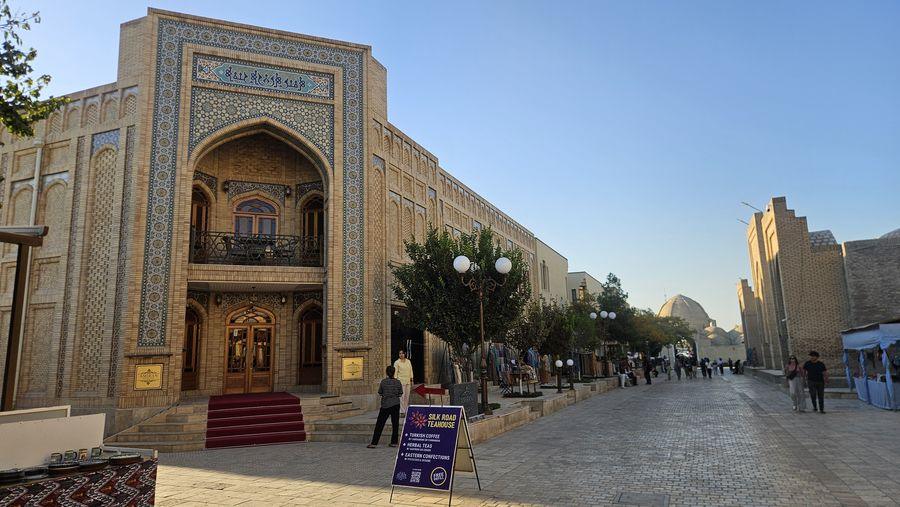
The next morning we were at the airport nice and early.
Because this time, we were absolutely not missing that flight.
Build Flexibility Into Your Itinerary
We lost a night in Khiva because of that missed flight.
Instead of having a full day to leisurely explore Khiva, we had an afternoon.
But you know what?
We still saw Khiva.
We just missed leisurely Khiva.
That’s the reality of travel.
You can plan everything perfectly and something can still go wrong.
Flights get delayed. You can get stuck at borders. You can miss trains. Your hotel can have a problem. You can wake up and decide you are far too exhausted to do the tour you booked.
Don’t become so emotionally attached to your itinerary that a change ruins your holiday. I admit massive struggle with this. Perhaps a slight ADHD reaction that I am not a fan of changed plans, but sometimes, leaving room in the itinerary means you get to do something completely unexpected.
Which is actually how we ended up in Uzbekistan. Knowing we wanted to go, but not booking until one Monday in Kazakhstan, with no plans.
Similarly, I was in Uzbekistan when I realised I had a spare day and decided to take a day trip to Tajikistan.
It wasn’t part of the original plan.
It ended up being one of the highlights.
Keep a Master Travel Spreadsheet
If you’ve followed me for any length of time, you’ll know I love an Excel spreadsheet.
Most of my travel documentation lives in one.
I have my itinerary, accommodation, transport, booking details, costs, currencies and whatever else I need to remember all in one place.
You don’t need to use Excel. Google Sheets, Notion, Notes or another system is completely fine.
The important thing is having one master document you can refer back to.
I also recommend downloading important documents so you can access them offline.
Because there is nothing worse than standing at a train station trying to find a booking confirmation while your internet decides to stop working.
All my train tickets, etc. are in a photo album on my phone – passports included!
Don’t Forget Your eSIM
Sort out your eSIM before you leave.
Having mobile data while travelling between countries is incredibly useful for maps, translation, hotel addresses, transport apps, banking and booking changes.
And, as I discovered in Tashkent, having data when you don’t have phone service can still be incredibly useful.
We were able to communicate through apps and access the information we needed while the airport security guards helped us track down our missing bag.
Just make sure your eSIM actually covers all the countries you’re visiting. Some regional plans cover several countries, while others are country-specific.
Then Stop Planning
This is probably my most important piece of advice.
Once you’ve booked your flights, stop looking at flights.
Don’t keep checking to see whether the price has dropped.
Don’t torture yourself because you found out someone else paid $50 less.
You’ve booked it.
Done.
The same applies to trains, hotels and tours.
At some point, you need to stop trying to optimise the trip and just look forward to going.
You know where you’re going.
You know where you’re sleeping.
You know how you’re getting there.
Your passport is packed.
You’re good to go.
Frequently Asked Questions About Planning a Multi-Country Trip
How do you plan a multi-country trip?
Start by deciding how much time you have, then research the countries that interest you. From there, choose the destinations that are realistic for your timeframe, build a logical route, check visa and border requirements, compare transport options and book the things that are likely to sell out.
How many countries can you visit in two weeks?
There isn’t a magic number. It depends on the region, transport connections and how much time you want to spend in each destination. I’d rather properly experience two or three countries than spend a fortnight constantly checking in and out of hotels and airports.
Is it better to book one-way or return flights for a multi-country trip?
If you’re unsure of your return date or plan to finish your trip in a different country from where you started, compare one-way and multi-city flights rather than automatically booking a return ticket. Return flights aren’t always dramatically cheaper these days, so choose the option that works best for your actual itinerary.
How far in advance should you book a multi-country trip?
It depends on the destination and season. For popular trains, flights and accommodation, I’d book earlier. My Central Asia trip was planned only about three weeks before departure, which meant I had to be flexible when some Uzbekistan trains were already sold out.
How do you travel between multiple countries?
It depends entirely on the region. Flights, trains, buses, ferries, rental cars and private transfers can all make sense. Compare the entire journey, including airport or station transfers and waiting times, rather than simply looking at the travel time.
Should you book accommodation in every city before leaving?
For a multi-country trip, I generally like knowing where I’m sleeping each night, particularly when travelling to multiple destinations. However, I also recommend avoiding unnecessary hotel changes and leaving some flexibility where possible.
What should you include in a multi-country travel budget?
Include international and regional flights, accommodation, trains and other transport, taxis, food, activities, visas, travel insurance, border costs, eSIMs, luggage fees and a buffer for unexpected expenses.
How do you deal with changes to a multi-country itinerary?
Be flexible. Check multiple booking platforms if you miss a flight or need to change transport, and don’t assume the first “no availability” message means there are genuinely no options. Most importantly, don’t make your itinerary so tight that one missed connection ruins the entire trip.

Explore With Erin Wrap Up
My Central Asia trip started with five countries.
Then it became four.
Then two.
And somehow I still ended up visiting three countries anyway.
That’s probably the best example I can give you of how to plan a multi-country trip.
Have a plan. Just don’t be married to it.
Work out how much time you have, research the countries, choose the places that genuinely interest you, and build a logical route. Check the borders and visas, work out your transport, book the things that sell out, choose accommodation based on location, and build a realistic budget.
Then leave yourself some breathing room.
Because you never know what is going to happen once you get there.
You might lose your passport or bag.
You might discover a train route you absolutely love.
You might find yourself with one spare day and decide to visit another country.
And you might discover, like I did with Uzbekistan, that the country you originally planned to squeeze into a few days actually deserves an entire week.
That’s travel. And honestly, that’s half the fun.


