
Is blogging dead?
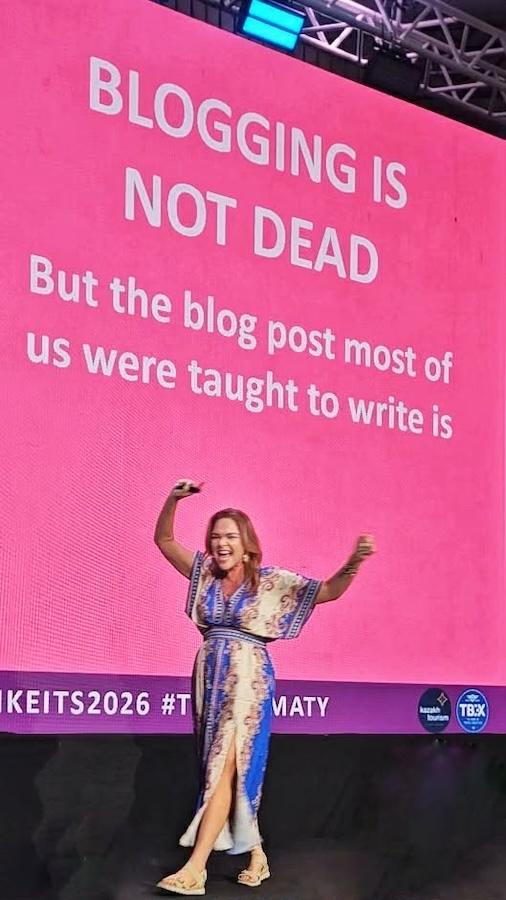
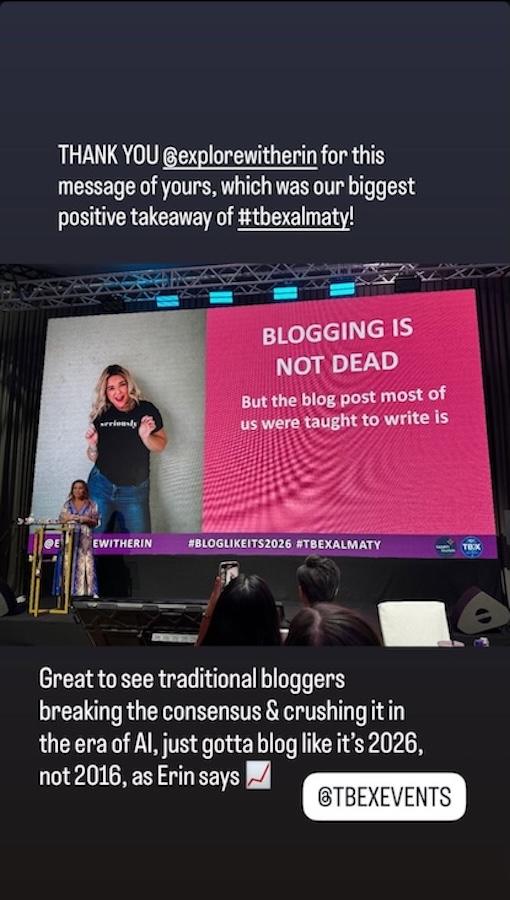
After more than a decade of blogging, I’ve heard that question plenty of times. My answer? Blogging isn’t dead. The blogging we were taught to do is.
I started blogging in 2012, and the industry has changed dramatically since then. Google has changed. Social media has changed. The way people search has changed. And now AI is changing how people discover information.
Yet my second travel blog recently grew from approximately 3,000 monthly views to around 40,000 monthly views in just 6 months.
I didn’t publish every day. I didn’t go viral on TikTok. And I didn’t discover some secret backlink scheme.
I changed how I chose, structured and improved my content.
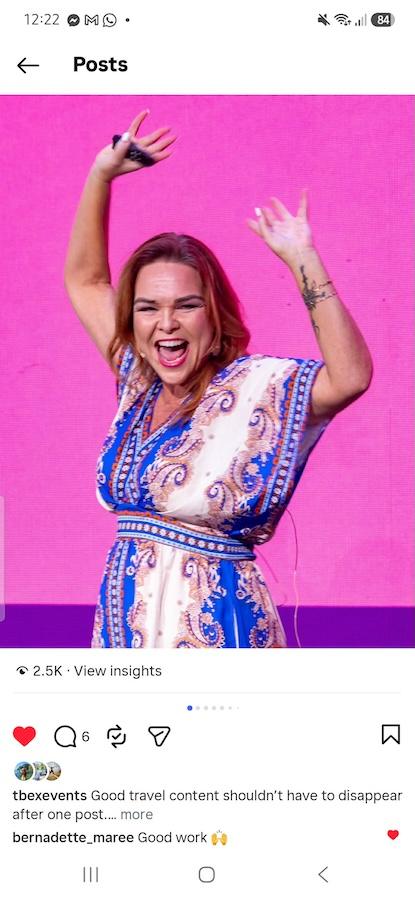
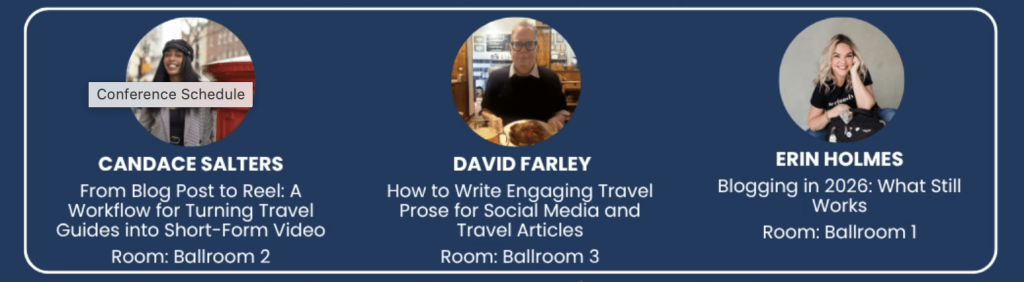
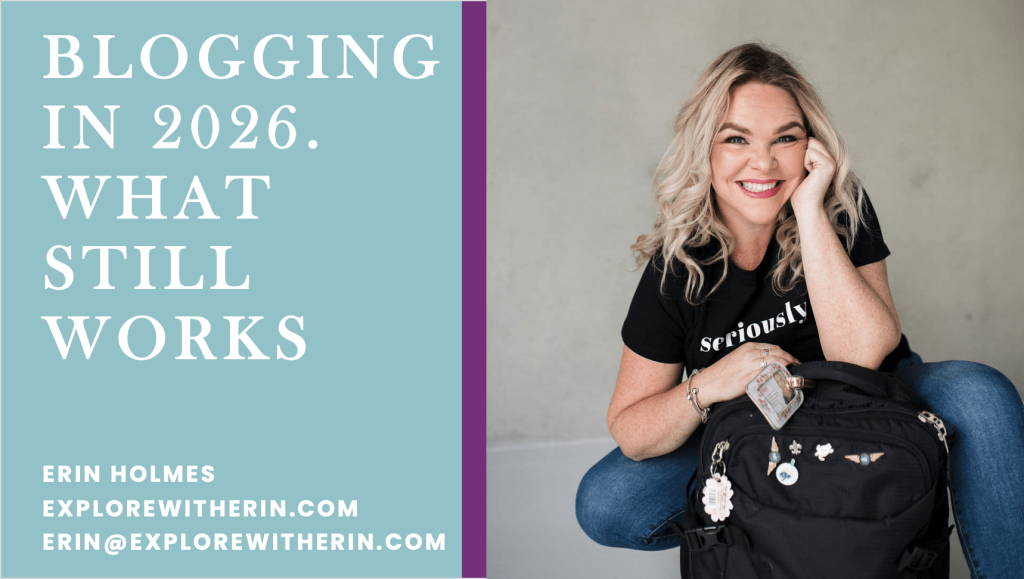
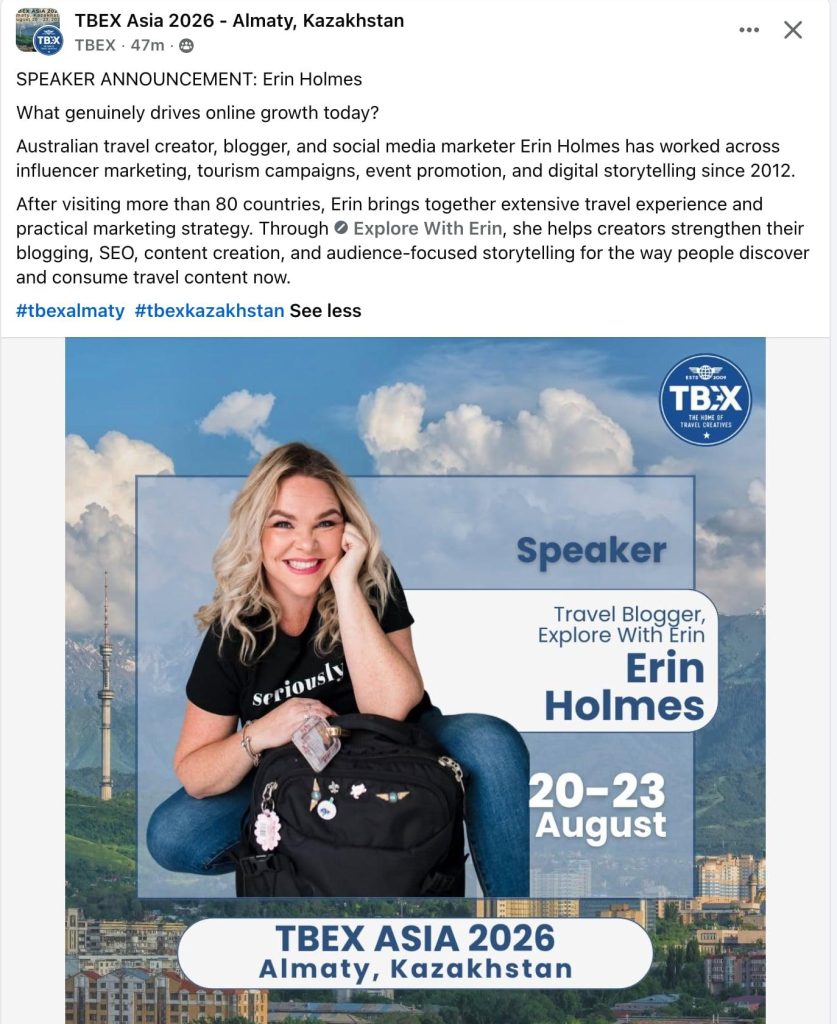
That was the basis of my session at TBEX Asia 2026 in Almaty, Kazakhstan: “Blogging in 2026: What Still Works.”
Watch My TBEX Asia 2026 Presentation
If you’d rather watch the whole 50-minute presentation, I’ve put it on YouTube.
And if you’d like to follow along with the slides, you can download the complete presentation below.
DOWNLOAD THE PDF PRESENTATION HERE
What Is TBEX?
If you’re not familiar with TBEX, it stands for Travel Blog Exchange. It is a conference and community bringing together travel creators, destination marketing organisations, travel brands and industry professionals.
The event covers everything from blogging, SEO and content marketing to photography, video, social media, influencer marketing and monetisation. TBEX describes itself as a place for creators and industry professionals to learn, network and build business relationships.
My first TBEX was in Dublin in 2013 (yes! I’m an OG Travel Blogger). Coming back more than a decade later to speak about the future of blogging was a pretty special full-circle moment.
TBEX Asia 2026 was my fourth TBEX, and this time I wasn’t sitting in the audience taking notes. I was on stage sharing what I’ve learned from nearly 15 years of creating travel content.

What Happened When I Took the Stage at TBEX
There was one moment at TBEX Kazakhstan that really brought home to me just how much interest there still is in blogging.
My session, “Blogging in 2026: What Still Works,” was one of the highest attended sessions at the conference, with more than 60 people in the room.
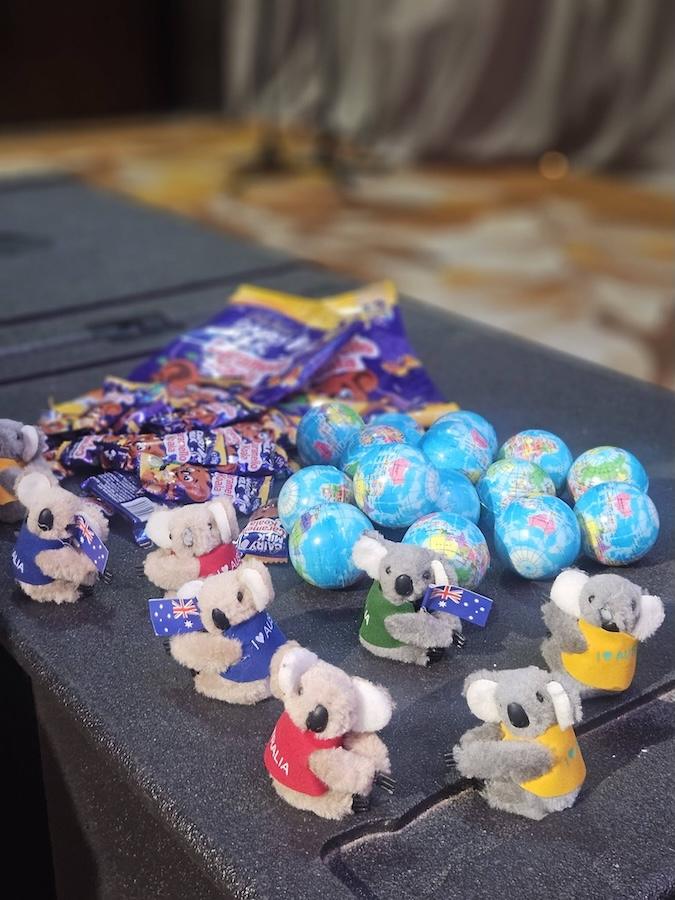
And I wasn’t about to let them leave empty-handed.
I arrived armed with Caramello Koalas, soft toy koalas and globe stress balls, and handing them out felt a little like I was Oprah. You get a koala! You get a koala! Everybody gets a koala!
The room was full of people who wanted to know what is actually working in blogging now. Not the advice we were all given five or ten years ago, but what still gets results in 2026.
That, to me, was the most exciting part.
Because if more than 60 people were willing to give up a session at a major travel conference to come and talk about blogging, it was pretty clear that blogging isn’t dead.
The blogging we knew is dead. The opportunity isn’t.
The challenge is understanding what has changed, what hasn’t, and where bloggers should be putting their time now.
The Biggest Change: Your Blog Is No Longer a Diary
Back in 2016, travel blogging often looked something like:
“Look where I went. Look what I ate. Look at me.”
In 2026, the strongest content needs to answer a different question:
“Here is everything you need to know before you go.”
That doesn’t mean personal stories are dead. Quite the opposite.
Your experience is one of the things that makes your content valuable. But it should strengthen the answer rather than delay it.
I now think of a successful travel blog as a searchable knowledge library. Instead of simply documenting a trip, I’m asking what information a traveller actually needs to make a decision.

Before You Write Anything, Ask These Three Questions
This is one of the biggest changes I’ve made to my own content strategy.
Before writing an article, I ask:
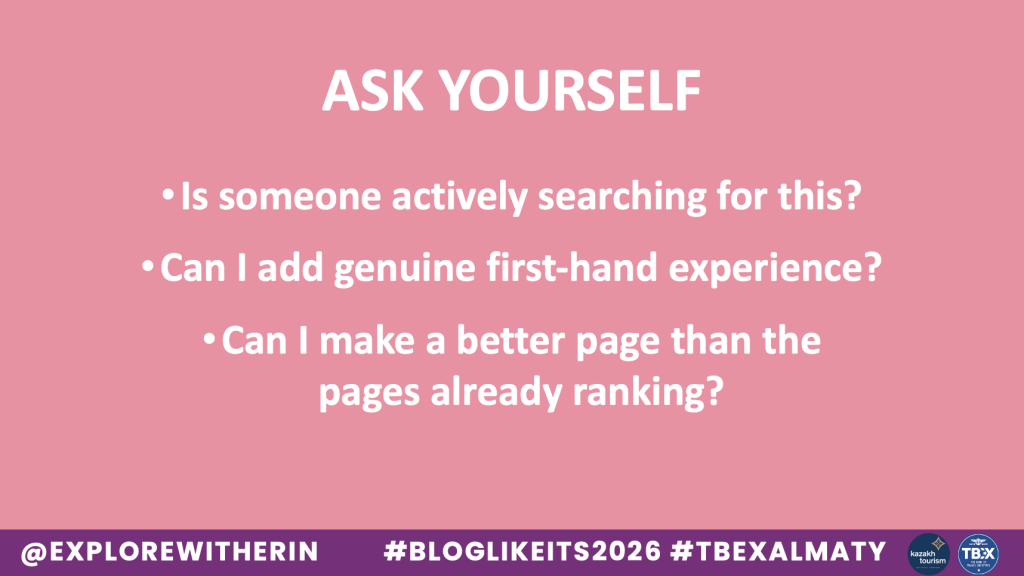
Is someone actively searching for this?
Can I add genuine first-hand experience?
Can I make a better page than the pages already ranking?
If the answer is no to all three, I reconsider whether I should spend hours writing the article in the first place.
Traffic can be won or lost before you write a single paragraph.
My E.R.I.N. Test for Better Blog Posts
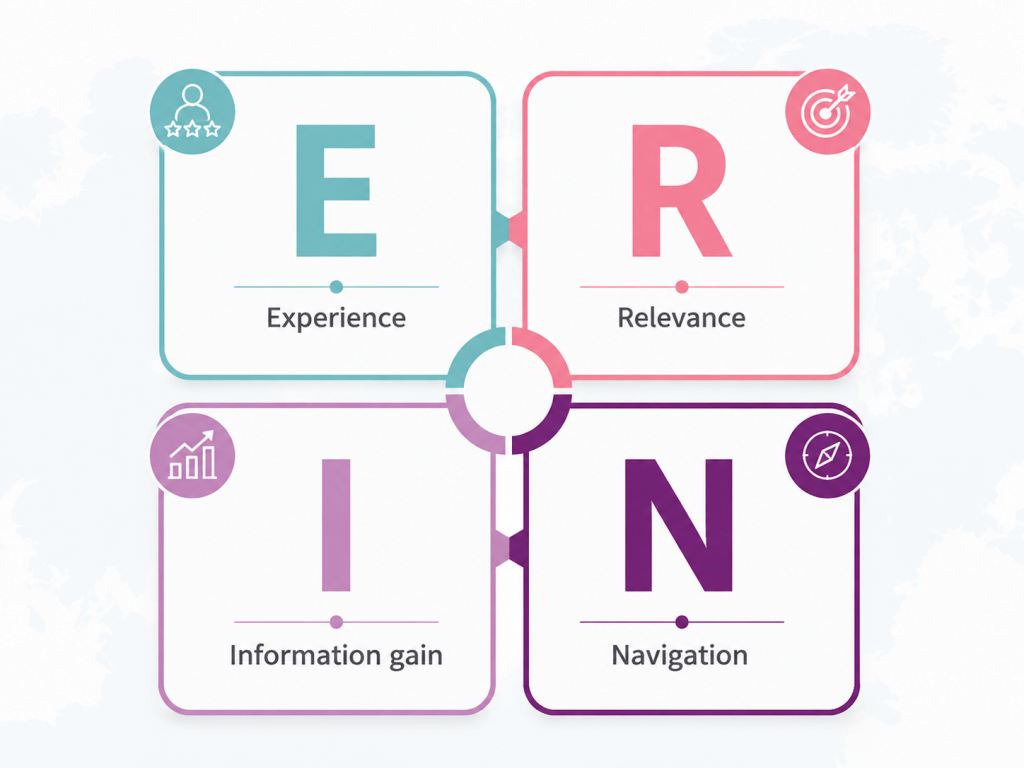
I created a simple framework to use whenever I create or update an article.
E = Experience
What happened to you?
What did it cost?
What surprised you?
What would you do differently?
Generic information is easy to generate. Experience has to be earned.
If I’ve stayed at a hotel, travelled somewhere with my children, tested a tour or actually paid for an experience, I can tell you things that a generic article can’t.
That’s where your mistakes, observations, original photographs, prices and personal recommendations become valuable.
R = Relevance
Answer the question quickly.
Don’t make readers wade through 600 words of backstory before telling them what they actually came to find out.
If someone wants to know whether Australians can drink the tap water in Bali, answer that question near the top. Then give them the context and your personal experience.
I = Information Gain
This is the question I ask most often:
What will the reader learn from me that they can’t get from the first three results?
That could be current prices, a comparison, a one-day itinerary, pros and cons, restrictions, transport options, or an honest explanation of what wasn’t worth the money.
Information gain is where a travel blogger’s actual experience can become a competitive advantage.
N = Navigation
Finally, make the information easy to use.
Specific headings. Short paragraphs. Useful links. Contents links where appropriate.
A great article shouldn’t just contain the answer. It should make finding the answer easy.
Three Real Examples From My Own Blog
The best way to explain what I’m talking about is to show you what happened when I actually tested these ideas.
Case Study 1: A Brand-New Article
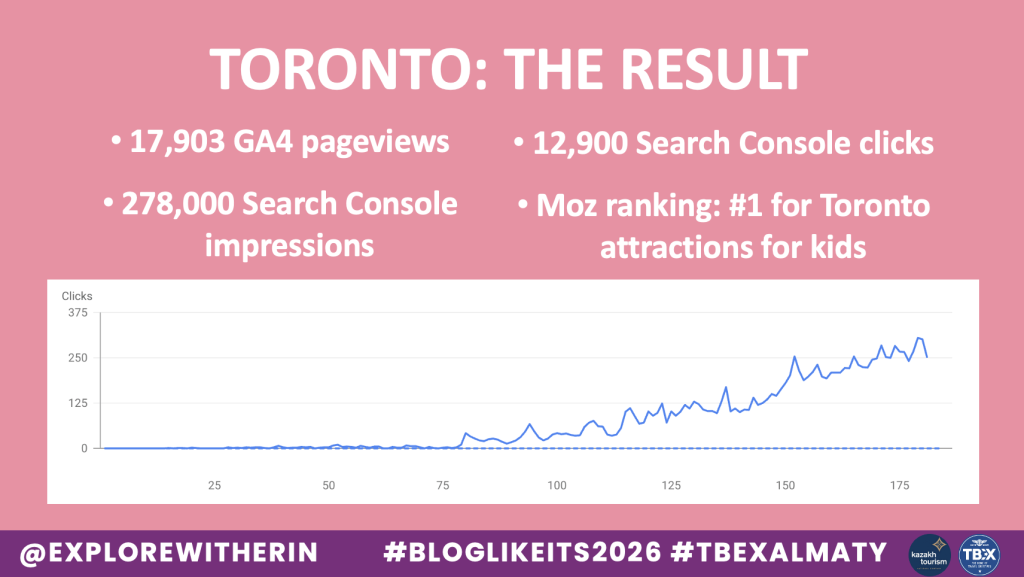
I published 17 Best Things to Do in Toronto With Kids in February 2026.
Between publication and the end of July, it generated almost 18,000 pageviews, around 278,000 Search Console impressions and 12,900 clicks.
At the time of my ranking check, Moz showed the article at #1 for “Toronto attractions for kids.”
Why did it work?
It wasn’t trying to be everything to everyone.
It targeted families travelling with children, matched a specific search intent and was based on genuine experience travelling with my own children.
That is a much more useful proposition than simply writing another generic “things to do in Toronto” article.
The lesson: Narrow a broad destination idea to a specific traveller and a specific decision.
Case Study 2: Update Before You Create
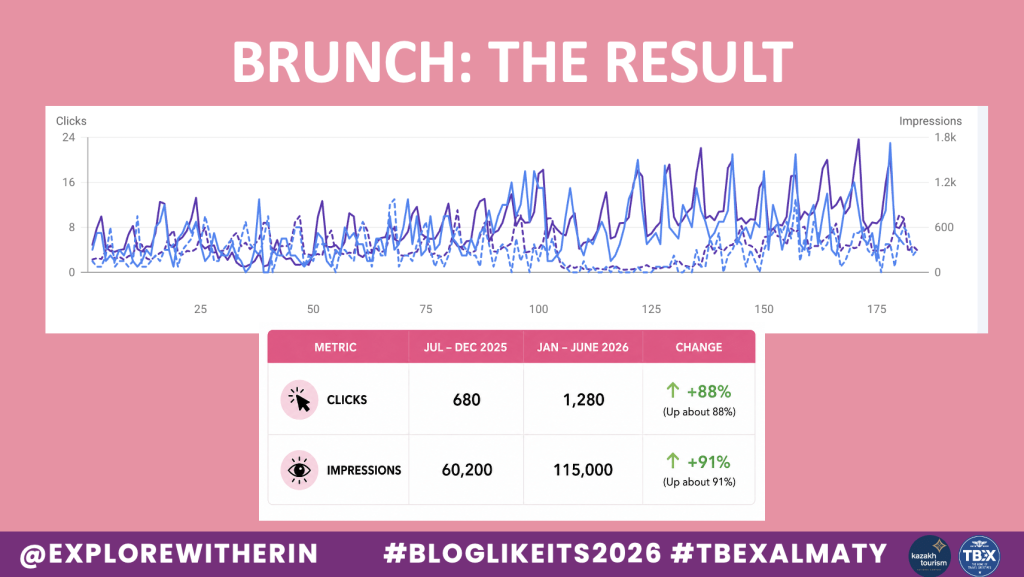
My second example is a Joondalup brunch article originally published in 2022.
Rather than starting a brand-new article, I substantially updated it in April 2026.
I changed the title, expanded the list from around 17 venues to 21, added northern suburbs, refreshed venue information and changed the headings to better reflect how people search.
The result?
Clicks increased from 680 to 1,280, approximately 88%.
Impressions increased from 60,200 to 115,000, approximately 91%.
The lesson isn’t “make every list longer.”
It’s find an article Google already understands and make it a better, more current answer.
Before you start another new article, look at what you already own.
Case Study 3: Sometimes Your Update Doesn’t Work
This one is important because not every SEO experiment is a success.
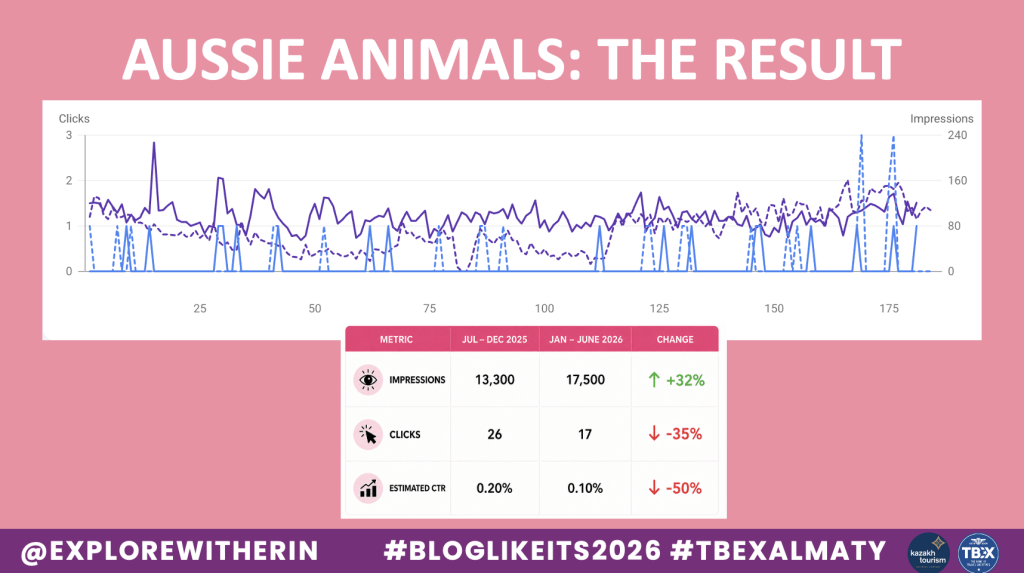
I updated an article called Can You Eat Cute Australian Animals?
I changed the structure to focus more heavily on questions such as “Can you eat koala?” and “Is it legal to eat koala?”
The result was interesting.
Impressions increased from 13,300 to 17,500, approximately 32%.
But clicks actually fell from 26 to 17, approximately 35%.
Google understood the new focus. But that new visibility didn’t translate into more traffic.
That could indicate weaker rankings, lower-intent queries, a less compelling search result or a mismatch between the title and the revised content.
The important lesson?
More impressions don’t automatically mean success.
Before completely rewriting an existing article, look at the queries it already ranks for. Protect what is working, then expand around new opportunities.
What About Google and AI?
I’m not abandoning Google.
In fact, more than 70% of my acquisition in the data I presented came from organic search, while direct traffic accounted for another 22.67%. Organic social was 3.13%.
AI discovery is changing the way people find information, and I’m absolutely paying attention to it.
But my strategy isn’t Google versus AI.
It’s Google and AI.
I want to create content that answers specific questions clearly enough for a human to use and for search and AI systems to understand.
That means using natural questions, clear headings and concise answers, then backing them up with genuine experience and useful detail.
AI Is My Assistant, Not My Author
I use AI in my blogging workflow.
But I don’t ask it to invent my travel experiences or blindly rewrite my articles.
I use it to:
- Identify gaps
- Find repetitive sections
- Compare structures
- Group questions
- Suggest information I may have missed
- Help me analyse an existing article
The writer still needs to be responsible for accuracy, voice, originality and final judgement.
My favourite use of AI right now is actually content diagnosis, not content generation.
Give AI an existing article and ask it to tell you what’s missing.
Then you decide what to change.
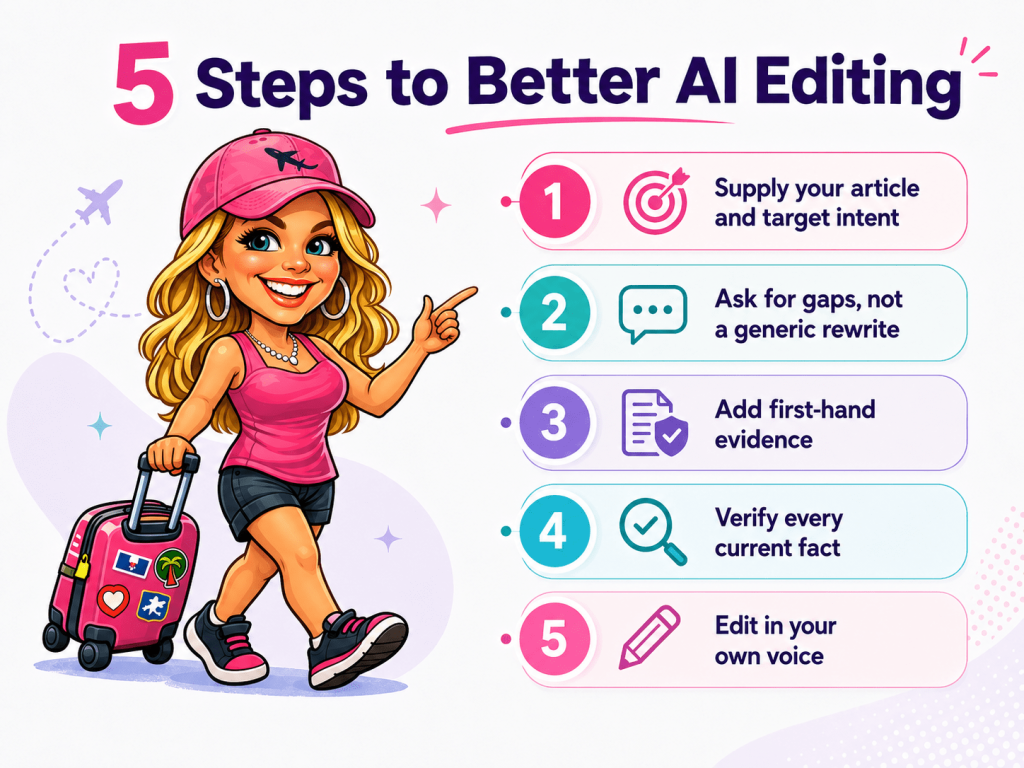
Useful AI prompt: Review this travel article as an experienced content strategist. Identify generic, outdated, repetitive, or unsupported sections. Do not rewrite it. Show me where to add first-hand experience, practical costs, comparisons, clearer answers, internal links, and information missing from the current top results.
My 48-Hour Blogging Challenge
If you want to put this into practice, don’t start by writing another new blog post.
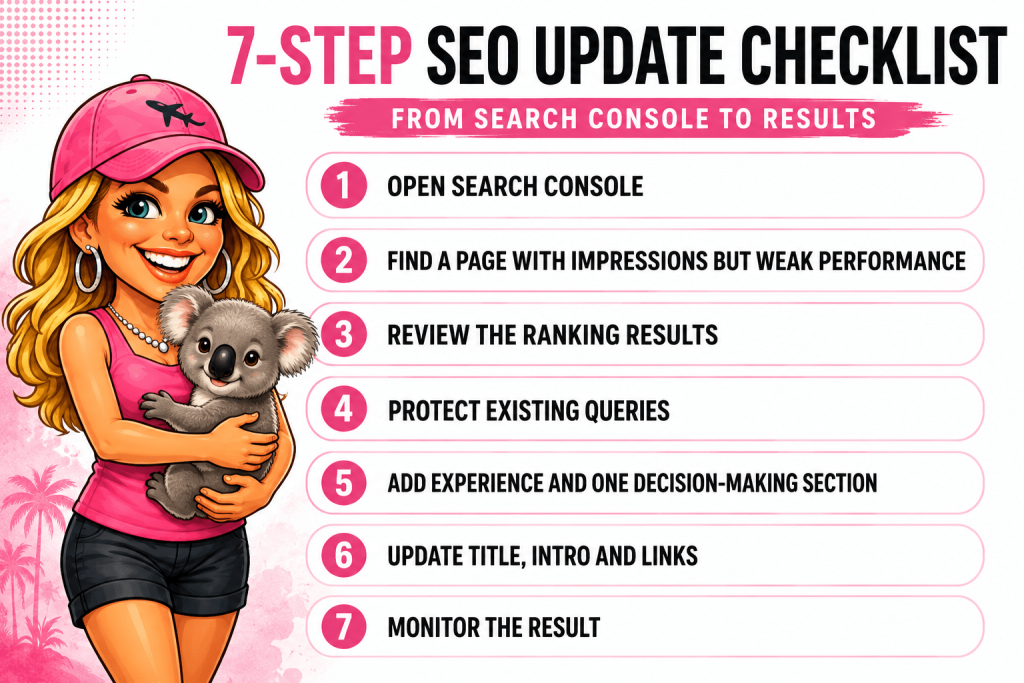
Open Google Search Console.
Find one existing article that gets impressions but isn’t performing as well as it could.
Look at the pages ranking for your main query.
Then ask:
- What are they answering that I’m not?
- What first-hand experience can I add?
- What information is outdated?
- What comparison would help the reader?
- What decision is the reader trying to make?
- Which questions should I answer more clearly?
Then make one meaningful improvement.
Add one piece of first-hand experience and one useful decision-making section, while protecting the topics and queries your article already ranks for.
So, Is Blogging Dead?
No.
But blogging in 2026 isn’t about publishing more words.
It’s about choosing better questions, answering them properly, adding real experience and improving the content you already have.
People can Google facts. They can ask AI for bland information.
But they can’t get your stories from anyone else.
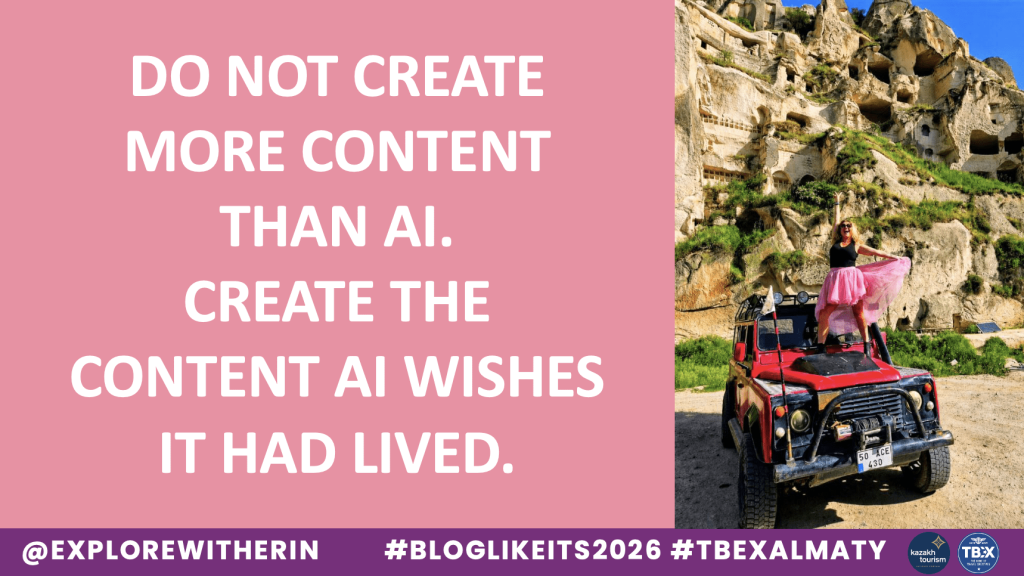
So don’t try to create more content than AI.
Create the content AI wishes it had lived.
Blogging isn’t dead.
Boring blogging is.
Watch the full TBEX Asia presentation
And if you’d like to follow along with the slides, you can download the complete presentation below.
DOWNLOAD THE PDF PRESENTATION HERE
If you’re a blogger or travel creator, I’d love to know what you’re seeing on your own website in 2026. What’s working? What’s stopped working? And what are you changing?
Check Out The OG Travel Bloggers Still Making Money
OG Family Travel Bloggers: The Original Family Travel Bloggers Who Changed Travel With Kids
OG Couple Travel Bloggers: The Original Travel Couples Who Built a Life Around Travel
OG Travel Photographers: The Original Travel Bloggers Who Turned Journeys Into Visual Stories
OG Travel Storytellers: The Original Travel Bloggers Who Turned Journeys Into Stories
OG Solo Travel Bloggers: The Original Solo Travel Bloggers Who Inspired a Generation


Thanks so much, Erin Holmes! I attended your presentation and will be implementing a few things!
I’d love to hear how it goes Myrah! Good luck!
Thank you for posting. I was able to attend the session but it’s great to refer back to things. I’m already putting into practice a couple of notes from your panel.
thank you so much for the feedback. It’s so good to hear, Lisa! Good luck with your blog.