

If you’re planning a journey to Machu Picchu, understanding the Cusco to Machu Picchu train time is essential for organizing your itinerary efficiently. While many travelers focus only on the train schedule itself, the overall experience also depends on boarding points, transfer logistics, waiting areas, and how the rail journey is structured between Cusco, the Sacred Valley, and Machu Picchu Pueblo.
Travelers move through historic Andean towns, scenic valleys, and mountain landscapes before arriving at one of the world’s most iconic destinations. This guide explains travel times, station logistics, boarding recommendations, and practical tips to help travelers navigate the route smoothly.

How Long Is the Train Ride From Cusco to Machu Picchu?
The average Cusco to Machu Picchu train time ranges from three to four hours, depending on the departure point and service combination. Many travelers are surprised to learn that trains do not always depart directly from central Cusco. Instead, journeys often begin with a road transfer to the Sacred Valley before boarding the train. Typical travel flow includes:
- Departure from Cusco
- Ground transfer to Ollantaytambo
- Train ride through the Sacred Valley
- Arrival in Machu Picchu Pueblo (Aguas Calientes)
Total travel duration can vary based on:
- Traffic conditions in Cusco
- Train schedules
- Seasonal demand
- Transfer coordination
- Boarding procedures
The Main Boarding Point in the Sacred Valley
Most rail journeys to Machu Picchu begin in Ollantaytambo, one of the most important railway access points in the Sacred Valley. Located along Av. Ferrocarril in Ollantaytambo, this station serves as the primary departure point for trains heading toward Machu Picchu.
The area is surrounded by Inca history, mountain scenery, and local markets, making it an important stop before the rail journey begins. Travelers often appreciate that this boarding point offers:
- Waiting areas
- Restrooms
- Wi-Fi access
- Boarding assistance
- Nearby cafés
- Covered spaces for travelers
The organized boarding process is especially useful during high season when passenger traffic increases significantly.
Why Many Travelers Start From Cusco City
While the train departs from the Sacred Valley, many visitors begin their journey in Cusco City. A commonly used boarding and ticketing point is located on Av. El Sol, near Qoricancha and the historic center of Cusco.
This location functions as both a customer service office and a departure point for bimodal transportation services connecting travelers to the train station in Ollantaytambo. For travelers, this setup simplifies the process because:
- Transfers and train connections are coordinated
- Travelers can wait comfortably before departure
- Assistance is available in English and Spanish
- Ticket support and itinerary guidance are offered
This arrangement is especially convenient for visitors staying in central Cusco hotels.
What Is a Bimodal Service?
Many travelers researching the Cusco to Machu Picchu train time often encounter the term ‘bimodal service’. This simply means:
- The first segment is by bus or transfer vehicle
- The second segment is by train
Typically, travelers:
- Depart from Cusco City
- Travel approximately two hours to Ollantaytambo
- Board the train toward Machu Picchu Pueblo
This system helps improve accessibility because rail lines do not directly extend into central Cusco.
The Scenic Train Journey Through the Sacred Valley
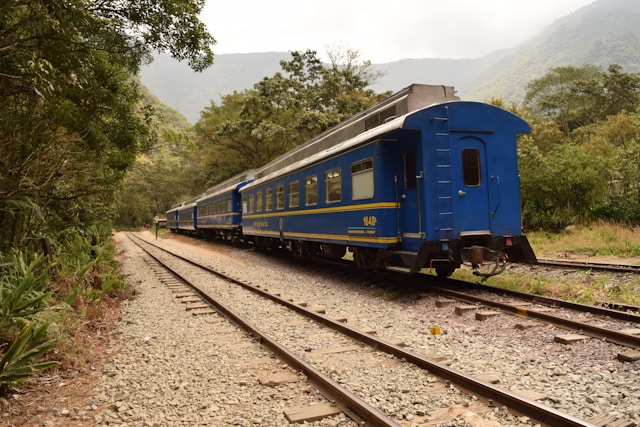
The train ride itself is one of the highlights of visiting Machu Picchu. As the train leaves Ollantaytambo, travelers pass:
- The Vilcanota River
- Agricultural terraces
- Andean mountain landscapes
- Small villages
- Cloud forest transitions
The changing scenery creates a gradual transition from the high Andes to the lush environment surrounding Machu Picchu. Many travelers specifically choose panoramic train services to enjoy:
- Large viewing windows
- Comfortable seating
- Natural light for photography
- Relaxed onboard atmosphere
Arrival in Machu Picchu Pueblo
The final train destination is Machu Picchu Pueblo, also known as Aguas Calientes. This station is located directly within the town and acts as the main arrival and departure point for visitors heading to Machu Picchu.
Travelers typically exit through a busy artisan market area filled with restaurants, shops, and tourism services. Since this town is only accessible by train or hiking routes, the railway station becomes a critical hub for visitors. Passengers arriving here can:
- Purchase additional tickets
- Get travel assistance
- Access shuttle buses to Machu Picchu
- Make return schedule changes
- Receive guidance about boarding procedures
The location is highly walkable and easy to navigate for first-time visitors.
How Long Does It Take From Aguas Calientes to Machu Picchu?
After reaching Machu Picchu Pueblo, travelers still need to reach the archaeological site itself. The shuttle bus from town to Machu Picchu usually takes 25 to 30 minutes.
Combined with transfers and waiting times, total travel duration from Cusco can range between four to six hours overall. This is why many travelers choose overnight stays instead of same-day returns.
Recommended Arrival Times
Travelers are generally advised to arrive:
- 30 minutes before boarding
- Earlier during high season
This is especially important for:
- Bimodal departures
- Morning trains
- Holiday travel periods
Stations and boarding areas can become crowded, particularly between May and September. Planning ahead helps reduce stress and allows enough time for:
- Ticket verification
- Luggage checks
- Boarding announcements
- Last-minute schedule assistance
Baggage Rules Travelers Should Know
Most services allow only light luggage onboard. Typical baggage recommendations include:
- Carry-on style bags
- Weight limits around 8 kg
- Compact dimensions
Travelers arriving with oversized luggage may experience delays or additional logistical challenges. Packing light is highly recommended, especially for overnight stays in Machu Picchu Pueblo.
Common Mistakes First-Time Travelers Make
Many visitors underestimate the logistics involved in reaching Machu Picchu. Common traveler mistakes include:
- Confusing the Cusco transfer point with the actual train station
- Arriving too late for boarding
- Bringing oversized luggage
- Forgetting Machu Picchu entrance tickets
- Misunderstanding return schedules
Clear planning makes the experience far smoother.
Best Time of Year for the Journey
Dry Season (May to September)
- Clear skies
- Excellent visibility
- Cooler mornings
- Higher tourist demand
Rainy Season (October to April)
- Greener scenery
- Fewer crowds
- Occasional delays possible
- Rain protection is recommended
Travelers during rainy months should carry ponchos rather than umbrellas, as umbrellas may not be practical in crowded boarding environments.
Is the Train Journey Worth It?
For most travelers, the rail experience offers:
- Comfort
- Scenic landscapes
- Organized logistics
- Faster access than trekking
- Flexible scheduling options
It’s especially ideal for:
- Families
- Couples
- Older travelers
- Visitors with limited time in Peru
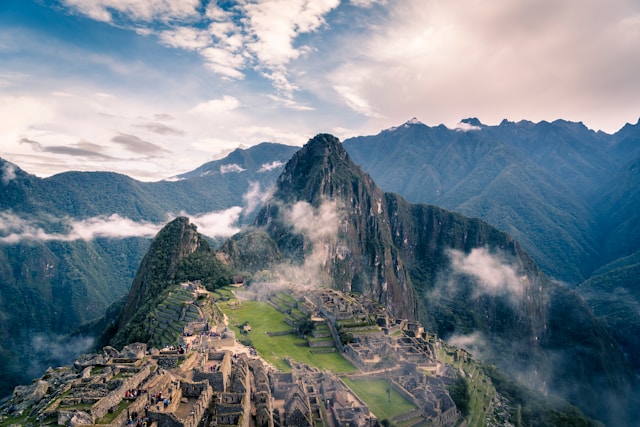
The route combines cultural atmosphere, mountain scenery, and practical convenience into a memorable travel experience.
Final Thoughts on Cusco to Machu Picchu Train Time
Understanding the full Cusco to Machu Picchu train time experience goes beyond simply checking train schedules. The journey includes coordinated transfers, boarding procedures, scenic rail travel through the Sacred Valley, and arrival logistics in Machu Picchu Pueblo.
With proper planning, travelers can enjoy a smooth and unforgettable route through one of Peru’s most spectacular regions. From the historic streets of Cusco to the dramatic Andean landscapes surrounding Machu Picchu, the train journey itself becomes an essential part of the adventure.


