

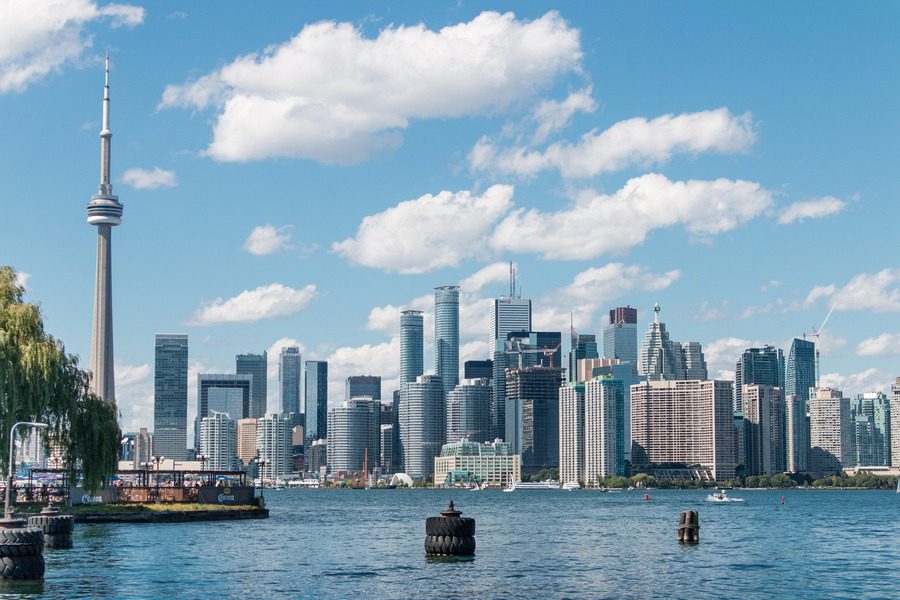
Canada is often introduced through a single image, such as the turquoise water of Lake Louise or the skyline of Toronto, but its appeal goes far beyond one postcard.
The country offers national parks, coastal towns, vibrant cities and Indigenous cultural experiences, which gives visitors several ways to plan a trip. A traveller may come for hiking, switch to a road trip along the coast or discover city life by chance.
The result is a destination with many faces rather than one standard itinerary.

Different ways to explore Canada
Geography is part of the story. Montreal and Quebec City bring European-style streets, festivals and food culture, while Ontario combines Toronto’s museums and restaurants with the power of Niagara Falls.
Western Canada appeals to those who want mountains, glaciers and wildlife, and many travellers start in Vancouver before heading inland to Banff and Jasper. None of these routes is the single right one.
Each, however, offers a different test of your plans, from long drives and changing weather to ferry schedules and seasonal closures that no guidebook can fully prepare you for.
For travellers who like to build a trip around live events, such as hockey games, festivals or sports cards, and who follow the schedules through 1 mln bet, the variety of Canadian cities makes each stop interesting in a different way.
One destination may be best for waterfront walks and street food, while another is built around alpine scenery and outdoor adventure. The regional character of each place explains those strengths, and the next stop on your route shows how well you have balanced them over several days.
What makes a Canada trip work beyond the famous sights
- Enough time between destinations, since distances are far greater than most visitors expect.
- A mix of city days and nature days to avoid travel fatigue.
- Flexibility when weather changes road conditions or trail access.
- Careful planning of seasons, from summer hiking to winter skiing and autumn foliage.
The famous landmarks are both an inspiration and a trap. Many visitors try to see Niagara Falls, Banff and Vancouver in one short trip, but that overlooks what each region does best.
Some places reward a slow pace on a lakeside trail, others a few days of museums and neighbourhood food. A good plan helps you focus on what you enjoy most while avoiding obvious pitfalls like rushed drives and overbooked schedules.
Lessons from seasoned travellers and local communities
Canada also welcomes a very broad range of visitors. A festival in one province can draw guests from across the country and abroad, and many travellers return to a favourite town again and again.
That loyalty matters, but a good trip is built on small decisions: booking popular parks early, checking ferry and road updates, and choosing the right moment for a scenic detour. Those habits, developed over several visits rather than one spectacular view, explain why people keep coming back.
Local knowledge matters in this process even when it gets little attention in glossy brochures. Park rangers, small-town guides and Indigenous tour operators teach visitors how to respect wildlife, follow trail rules and experience a place beyond the viewpoint.
A tip from a local can turn an ordinary stop into a lasting memory. In a country where distances are long and conditions change quickly, that accumulated experience is often more valuable than a checklist of famous sights.


