

The sheer scale of our planet is often hard to comprehend until you look at the largest countries in the world. These nations are not just political entities. They are massive geographical expanses that encompass distinct ecosystems, climates, and cultures. From the icy northern tundras to the humid rainforests of the equator, the biggest countries dominate the map and global affairs.
To bring you accurate data and fascinating insights, the geography experts at the professional EssayService website have compiled this comprehensive analysis. Whether you are a student or just curious about what the biggest countries in the world are, this guide breaks down the titans of the globe. Below it counts down from number 10 to the undisputed number 1. It explores countries ranked by size, their total area, and the unique characteristics that define them.
10. Algeria
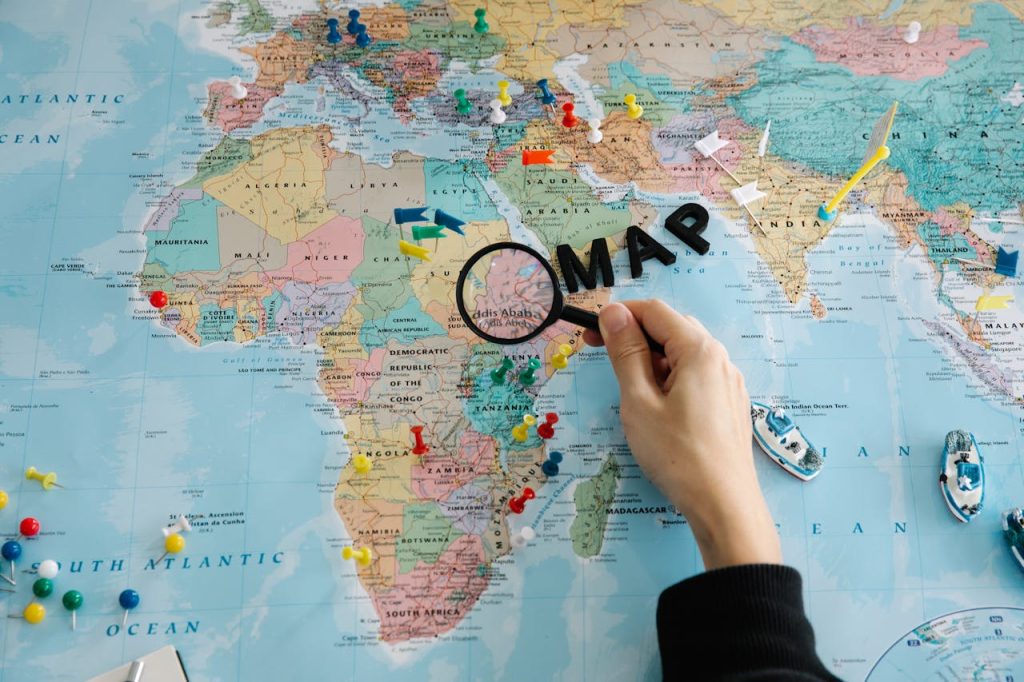
As the largest nation in Africa, Algeria sits as the gatekeeper to the Mediterranean and the Sahara. It claimed the number 10 spot after the partition of Sudan in 2011.
- Size: Approximately 2.38 million square kilometers (919,595 square miles).
- Comparison: It is nearly 5 times the size of Spain and the largest country in the Arab world.
- What Makes It Great: It contains the vast majority of the Sahara Desert’s northern region. This offers stunning and otherworldly sand dune landscapes.
- Other Info: Despite its massive size, 90% of the population lives along the northern coast because the Sahara covers nearly 80% of the land.
9. Kazakhstan
Kazakhstan is unique among the 10 largest countries in the world because it is the only one that is landlocked. It acts as a massive geographical link connecting Europe and Asia.
- Size: Approximately 2.72 million square kilometers (1.05 million square miles).
- Comparison: It is equivalent to the size of Western Europe.
- What Makes It Great: The Kazakh Steppe is the largest dry steppe region on Earth. This vast, open landscape has supported nomadic cultures for millennia.
- Other Info: It is rich in natural resources like oil and uranium. This makes it an economic powerhouse in Central Asia.
8. Argentina
Dominating the Southern Cone, Argentina ranks as the second-largest country in South America.
- Size: Approximately 2.78 million square kilometers (1.07 million square miles).
- Comparison: It is roughly one-third the size of the contiguous United States.
- What Makes It Great: The geography is incredibly dramatic. It ranges from the subtropical jungles of the north to the glacial regions of Patagonia in the south.
- Other Info: It boasts the highest mountain in the Americas, Aconcagua. It also has a diverse climate that supports world-famous vineyards and cattle ranching. Although it is not considered a highly technical climb by major mountaineering standards, its altitude, weather, and long expedition format make preparation essential. Travelers considering the summit should look into an Aconcagua guided climb with a certified guide before planning the trip. Argentina also has a diverse climate that supports world-famous vineyards and cattle ranching.
7. India
While it is only the seventh-largest country by area, India is a heavyweight in population and cultural density. It stands alone on this list as the only nation classified as a subcontinent.
- Size: Approximately 3.29 million square kilometers (1.27 million square miles).
- Comparison: It is about one-third the size of the United States but holds more than four times the population.
- What Makes It Great: Four major global faiths trace their origins to this region. It hosts incredibly diverse biodiversity from the Himalayas to the Indian Ocean coastlines.
- Other Info: The landmass is geologically unique. The Indian Plate is still crashing into Asia. This causes the Himalayas to grow slightly taller every year.
6. Australia
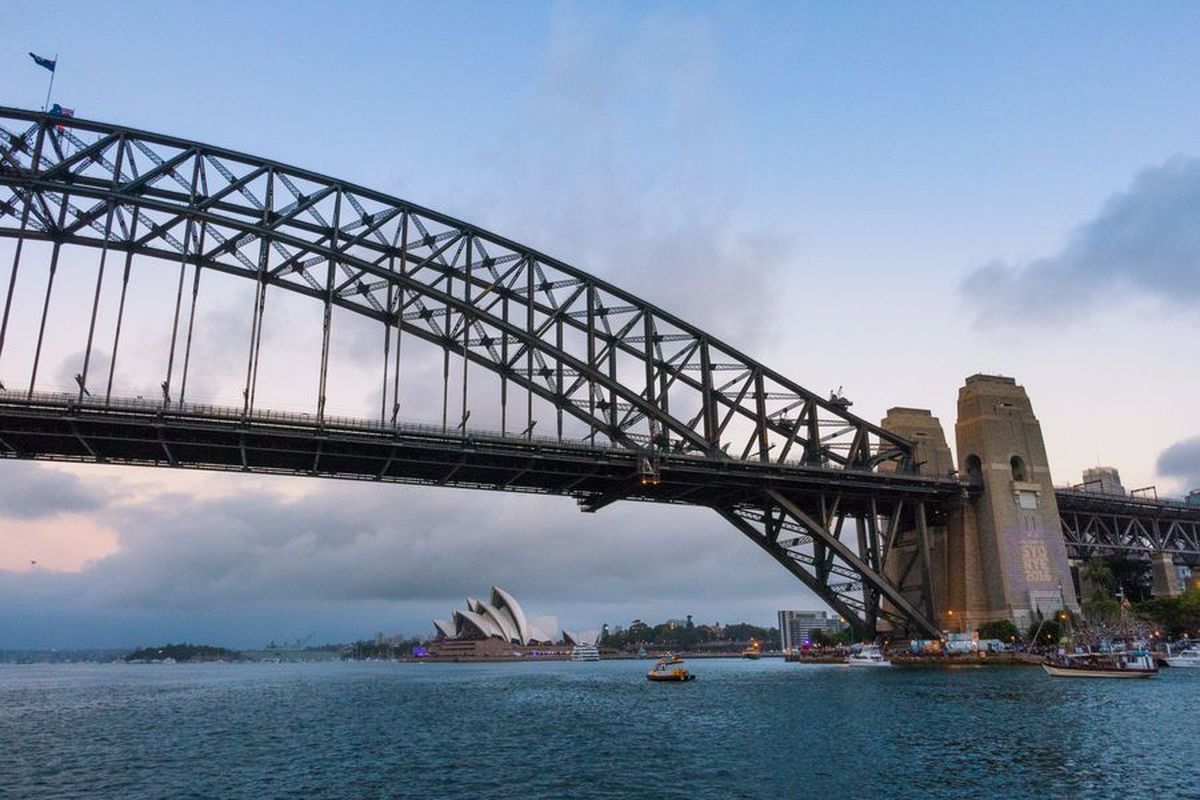
Australia holds the unique distinction of being both a sovereign country and a continent. It is the largest country entirely in the Southern Hemisphere and without land borders.
- Size: Approximately 7.69 million square kilometers (2.97 million square miles).
- Comparison: It is roughly 32 times larger than the United Kingdom.
- What Makes It Great: As an isolated island continent, it followed a distinct evolutionary path. This separation fostered unique wildlife found nowhere else on Earth, such as kangaroos and koalas.
- Other Info: The vast majority of its interior is an arid wilderness known as the Outback. Consequently, most of the population is clustered in coastal cities.
5. Brazil
Brazil is the giant of South America. It occupies half of the continent’s landmass. It is the fifth of the top 10 biggest country in the world rankings.
- Size: Approximately 8.51 million square kilometers (3.29 million square miles).
- Comparison:It covers nearly half of the entire South American landmass.
- What Makes It Great: It contains the bulk of the Amazon Rainforest, which is frequently described as the “lungs of the Earth.” It also contains the Amazon River, the largest river by discharge volume.
- Other Info: It is the world’s leading Portuguese-speaking nation and features an Atlantic coastline stretching over 7,400 kilometers.
4. China
A common question in geography is: Is China bigger than the US? The answer depends on how you measure. If you specifically compare the largest countries by land mass (excluding water), China actually takes the lead. However, by total area (land + water), it typically ranks fourth.
- Size: Approximately 9.6 million square kilometers (3.7 million square miles).
- Comparison: It is roughly the same size as the United States, but with a population of over 1.4 billion people.
- What Makes It Great: It has a civilization history spanning thousands of years. Its geographical features range from the highest peaks to low-lying fertile deltas.
- Other Info: China shares borders with 14 other countries. It ties with Russia for the most neighbors. This highlights its central position in Asia.
3. United States
The United States takes the bronze medal for the largest country by total area. Its size is significantly boosted by its coastal waters and the massive state of Alaska.
- Size: Approximately 9.83 million square kilometers (3.8 million square miles).
- Comparison: It is larger than China by total area but slightly smaller by strict land mass.
- What Makes It Great: The geographic diversity is unmatched. It features everything from Arctic tundra in Alaska to tropical islands in Hawaii and vast deserts in the Southwest.
- Other Info: It possesses the world’s largest coal reserves. It also has a massive network of navigable rivers that have historically fueled its economic growth.
2. Canada
Taking the silver medal is Canada. It is the largest country in the world in the Western Hemisphere. A frequent query is: Is Canada bigger than the US? Yes, it is significantly larger in total area, thanks largely to its millions of lakes.
- Size: Approximately 9.98 million square kilometers (3.85 million square miles).
- Comparison: It is larger than the United States and covers nearly 41% of the North American continent.
- What Makes It Great: Canada possesses the longest coastline on Earth at 202,080 km and holds more fresh water than any other nation.
- Other Info: Despite its massive size, it has a relatively small population, around 40 million. This results in vast and uninhabited wilderness areas, particularly in the North.

1. Russia
The undisputed champion is Russia. It is the largest country in the world by a massive margin. It exceeds the size of runner-up Canada by nearly double.
- Size: Approximately 17.1 million square kilometers (6.6 million square miles).
- Comparison: Russia is larger than the planet Pluto’s surface area. It spans 11 time zones.
- What Makes It Great: It stretches across the entire breadth of northern Asia and a large section of Eastern Europe. It contains the world’s deepest lake and the largest active forest reserves.
- Other Info: The Trans-Siberian Railway is the longest rail line in the world and requires a week to travel from Moscow to Vladivostok.
Analyzing the Giants
While calculations for the biggest countries by land mass often spark debate between China and the US, Russia remains the undisputed largest country by area. Collectively, the top 10 largest countries in the world occupy nearly 50% of Earth’s land. From the frozen north to the arid deserts of Algeria, these geographic giants fundamentally shape the physical and political landscape of our planet.


