

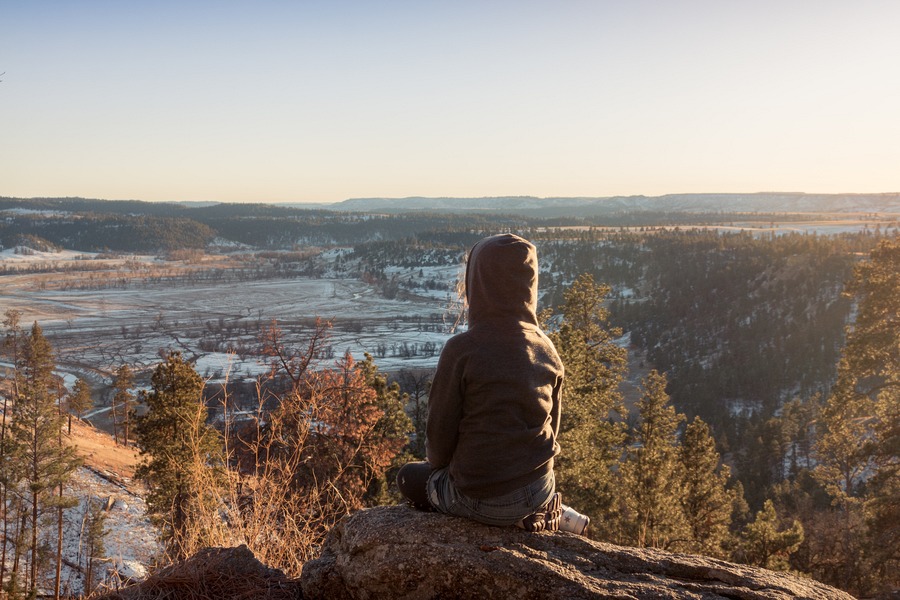
There is a quiet revolution happening in the world of travel. Not everyone wants a checklist anymore. Not everyone needs a photo at every landmark or a stamp in every passport. More and more people are choosing to stay longer, move more slowly, and actually feel a place rather than just see it.
What Slow Travel Really Means
Slow travel is not speed. It is a mindset. Instead of hitting five cities in seven days, a slow traveler might spend three weeks in a single neighborhood – learning its rhythms, its faces, its food. According to a 2023 survey by Booking.com, 72% of travelers said they wanted their next trip to focus on meaningful experiences rather than the volume of destinations.
The idea is simple but powerful. When you slow down, the world opens up differently.
The Problem With Fast Tourism
Mass tourism moves fast. It skims surfaces. It produces Instagram content but rarely produces understanding. A tourist who spends 45 minutes at a temple learns nothing about the faith behind it. Someone who attends a weekly market for three consecutive Sundays starts to understand the social fabric of a community.
Fast tourism is also expensive – emotionally and financially. Constantly moving drains energy and money. A report found that overtourism causes measurable harm to local culture in over 60 popular destinations globally.
Staying Connected and Safe While Traveling
Long-term travel raises a practical concern that many people overlook: digital security. When you spend weeks or months abroad, you rely on local networks, hotel Wi-Fi, and public internet – all of which carry real cybersecurity risks. Banking, communication, and accessing home-country content all become complicated.
VPN services are the answer to modern challenges. In countries with strict internet filtering, they are the best way to surf the internet freely. For example, VeePN Thailand service allows you to watch Netflix from the UK, Hulu from the US, and much more. But it’s also an investment in security, as digital cyberattacks have become a serious problem recently.
Finding Authentic Destinations
Not all places welcome slow travelers equally. Some towns have been hollowed out by tourism. Others remain deeply themselves. The key is to look beyond the obvious.
Authentic destinations tend to share a few traits: active local markets, neighborhoods where residents actually live, and a visible everyday culture that tourists do not dominate. Places like Tbilisi in Georgia, Chiang Mai’s old city, or small towns in Portugal’s Alentejo region consistently attract slow travelers for exactly these reasons.
How Local Culture Actually Transfers
Cultural connection does not happen through observation alone. It happens through participation. Cooking a meal with a host family. Attending a local religious ceremony with permission and respect. Learning even ten words of the local language.
Research from the Adventure Travel Trade Association shows that travelers who engage directly with local communities report satisfaction scores 40% higher than those who do not. That number is not surprising. Genuine exchange feels different from passive consumption.
The Art of Travel Storytelling
Slow travel produces better stories. This is almost universally true. A rushed trip generates a list. A slow trip generates a narrative – with characters, tension, surprise, and change.
Travel storytelling rooted in deep experience carries weight that highlights reels cannot replicate. When a traveler writes about the baker who gave them bread and then became a friend over six weeks, that story holds something real. It holds time, and time is what slow travel is made of.
Sustainable Tourism as a Natural Consequence
When you stay longer, you spend differently. You shop at local grocery stores. You use local transport. You pay rent to a local landlord rather than fees to an international hotel chain.
This pattern aligns naturally with sustainable tourism principles. Studies from the Global Sustainable Tourism Council indicate that long-stay travelers contribute up to three times more to local economies per day than standard tourists, while placing significantly less strain on infrastructure and cultural sites. Slow travel, done well, is inherently more ethical.
Building a Practice, Not Just a Trip
The shift from fast to slow travel requires a change in how people measure success. A trip is not a failure because you visited fewer places. It is a success if you understand one place more deeply.
Many slow travelers return to the same destination year after year. They build relationships. They watch children grow up, businesses open, and neighborhoods change. This is not nostalgia – it is a form of belonging that standard tourism cannot manufacture.
Where to Start
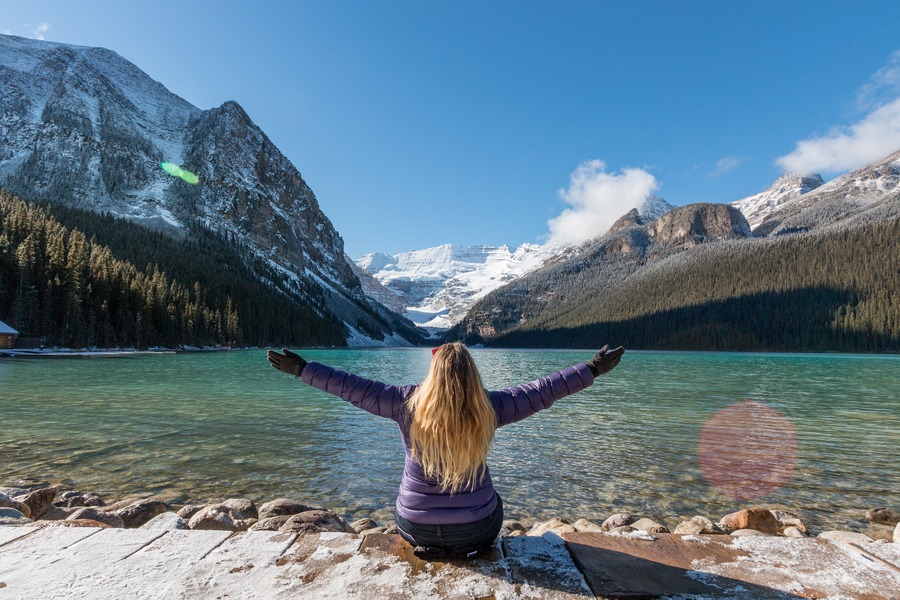
Begin with a single extended stay. Choose one place that genuinely interests you – not because it is famous, but because something about it pulls at you. Give yourself at least three weeks. Walk the same streets repeatedly. Eat where locals eat. Resist the urge to take a day trip every other day.
The world does not become more interesting when you move through it faster. It becomes more interesting when you stop moving and start paying attention.


