

The more the travel industry grows, the more things manufacturers are coming up with that they call “travel-sized.” This is great news for travelers, who used to either have to pay through the nose to transport large items, or simply go without things they need.
However, it all starts to get tricky when you start piling up more and more travel-sized items. Along with the shrinkage of stuff has gone airline baggage allowances, as we all know, so choosing necessities remains an issue for many.
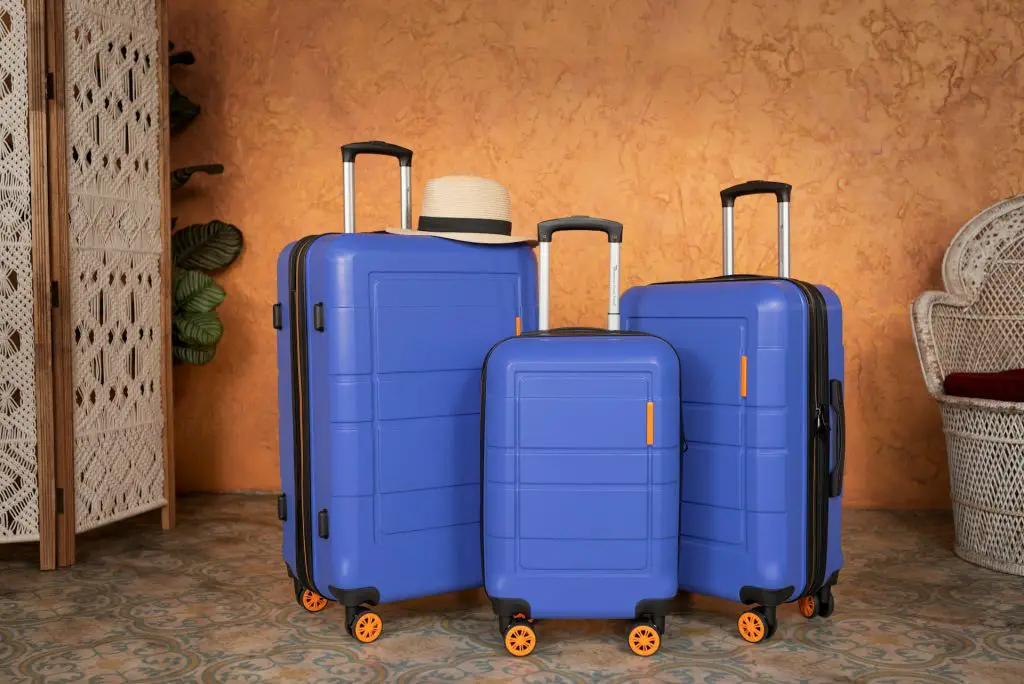
What’s really important?
One of the great things about the growing travel industry – and globalization in general – is that more and more places around the world have many of the things that people need. We no longer have to worry about communications because there is WiFi everywhere. There’s even incredible comfort on a road trip, especially in cars with computing systems or RV parks.
Toiletries that might have once been considered rare are now standard in many places. And lots of other things are now global, too. But what about your own personal stuff? Your irreplaceable folding kayaks, for example?
That yoga mat you love
When it comes to things like individualized sports and recreation equipment, you should think about it carefully. Things like yoga mats can be great, but do you really need them if you’re at risk of exceeding your baggage capacity? Many hotels have nice carpets that you can stretch on.
That folding kayak that you so dearly treasure? That depends on several things: First, think about whether you’ll be able to rent one in the places you’re going. Also, do you plan to hike to remote parts and kayak in obscure areas? If this is something dear to you, make it a priority.
Other sports and recreation items should follow a similar logic. If you can rent something or use a reasonably good alternative in the places you’re going with ease, you might want to leave some of the stuff behind. Your airline bill and your back will probably thank you for it. But if you have equipment that is unique and essential to your trip (if you are travelling specifically to kayak, for example), then by all means make it a priority. Watch it come down the baggage carousel with pride.

What you MUST bring
All the maybes aside, there are certain things that you absolutely must bring on your trips if you don’t want to have a problem. This includes:
- Prescription medications and even many OTC medications. You might think that pain killers are universal, but not all pain killers are the same. Different countries have different drug laws, and you don’t want to get stuck somewhere with a migraine for two weeks that will ruin your vacation. And any prescription medication is essential.
- A universal charger and remote charger. Even if you’re booked at hotels and have all your destination cafes lined up, you never know when sockets either won’t work, or won’t be compatible with what you bring. Everyone’s electronics are their most precious items these days; be prepared for the worst.
- You might do great research into the countries you’ll be visiting and see that they take this or that form of payment. Always be extra cautious in any foreign country. You might see signs for Visa and Mastercard and think, “Oh great! Everything works here,” only to find that they only accept the local versions of these mechanisms. Always bring cash in dollars or euros so that you can change some into local currency.
- Luggage locks. Not only is it important what you put into your luggage, keeping the luggage itself safe is also critical. Invest in strong luggage that locks, and it wouldn’t hurt to bring something to attach it to if you have to leave it for long periods of time. You should also bring some extra locks for lockers or places to store your valuables if your hotels don’t offer you a safe.
Each person has his or her own list of essentials. This can include clothing items, gadgets, whatever. Be sure to write your list down early so that you don’t forget anything when you’re halfway to the airport.
Learn smart packing tips
Finally, you should learn how to pack. This means finding the best ways to save volume (sticking fragile items in between articles of clothing may be wise), make sure nothing liquid has the possibility of spilling out, making sure your electronics are covered and safe, and anything else that might be essential.
If you buy gifts and souvenirs while on the road – as many of us do – you should make absolutely certain that all their little parts are protected, and that nothing is placed in a precarious position. There’s nothing worse than getting home and finding that your little glass Buddha has lost a limb…. So plan carefully, and have a great trip!


