

Zipping around the world, kids in tow, can be a lot of fun. Our planet is big and full of wonders you’ll never know if you stay put in your hometown. But being out and about also comes with an extra emergency or two, and being in a foreign country adds to the overall challenge.
For your peace of mind and the kids’ full enjoyment of the experience, it’s best to think ahead and plan for possible emergencies. For instance, what will you do if one of the kids gets separated from you in a crowded market? Or how will you handle a medical emergency in a country where you don’t speak the language and don’t have medical insurance?
These are things that happen even to the most prepared of travelers, so you should know how to act, just in case it’s your turn to draw the short straw. Plus, being prepared gives you more confidence and reduces anxiety.
If we’ve got your attention, let’s talk a bit more about what it means to be prepared (not panicky) for emergencies when traveling internationally with the family.

1. Get Insurance
You might have the best healthcare coverage at home, but this doesn’t mean much when your youngest gets stung by a jellyfish in Thailand. Domestic health plans don’t usually cover overseas care, and if yours has an added policy, it will most likely cover only bare-minimum emergency room stabilization.
You want a specialized travel policy that features two distinct components:
- Primary travel medical insurance: For hospital bills, doctor visits, emergency surgeries, and prescription medications.
- Emergency medical evacuation and repatriation: Pays to transport a critically ill or injured patient to the nearest high-quality medical facility or back to their home country.
Choose a policy providing at least $100,000 in emergency medical coverage and $250,000+ in emergency medical evacuation/repatriation. Without evacuation coverage, a specialized air ambulance back home can cost upwards of six figures out-of-pocket.
While reviewing your travel protection, it’s also a good time to evaluate your family’s longer-term financial security. Resources such as AccuQuote rapid issue plans can help you compare no-medical-exam life insurance options that use accelerated or simplified underwriting, making it possible to obtain coverage more quickly before departure without scheduling a medical exam.
2. Protect Your Documents
We’re so used to having everything on our phones nowadays that it seems almost foolish to make physical copies. Yet, what would happen if your phone gets stolen/lost or simply breaks down?
We’ve all seen videos that show how easy it is to have your phone snatched by someone driving a scooter or bike in the middle of a bustling city. And such cases happen all over the world, from Western Europe to the UK to East Asia.
The best way to avoid being left stranded without plane or train tickets, IDs, and a way to contact someone is to have backup, physical copies for your passports, insurance policy details, emergency contacts, and notarized child travel/medical consent forms in your carry-on luggage.
Double down on your security by storing encrypted digital scans in secure cloud storage accessible from any device in case physical bags or phones are lost or stolen.
3. Set Up an Emergency Communication Plan
Getting lost can happen whether you’re having fun exploring Canada’s many wonderful regions or enjoying safari adventures across the frozen North. Even adults can get separated from the main group, which is why it’s important to have a plan for this very situation.
Even before you leave home, sit everyone down (kids included) and draw out the plan in case one of you gets separated from the group. Establish designated emergency meeting spots at your hotel and major attractions and teach children how to spot local law enforcement agents to ask for help.
Ensure at least two adult phones have active international data (or local eSIMs), program the destination’s local emergency number (e.g., 112 in the EU), and assign one relative back home to act as your central check-in point.
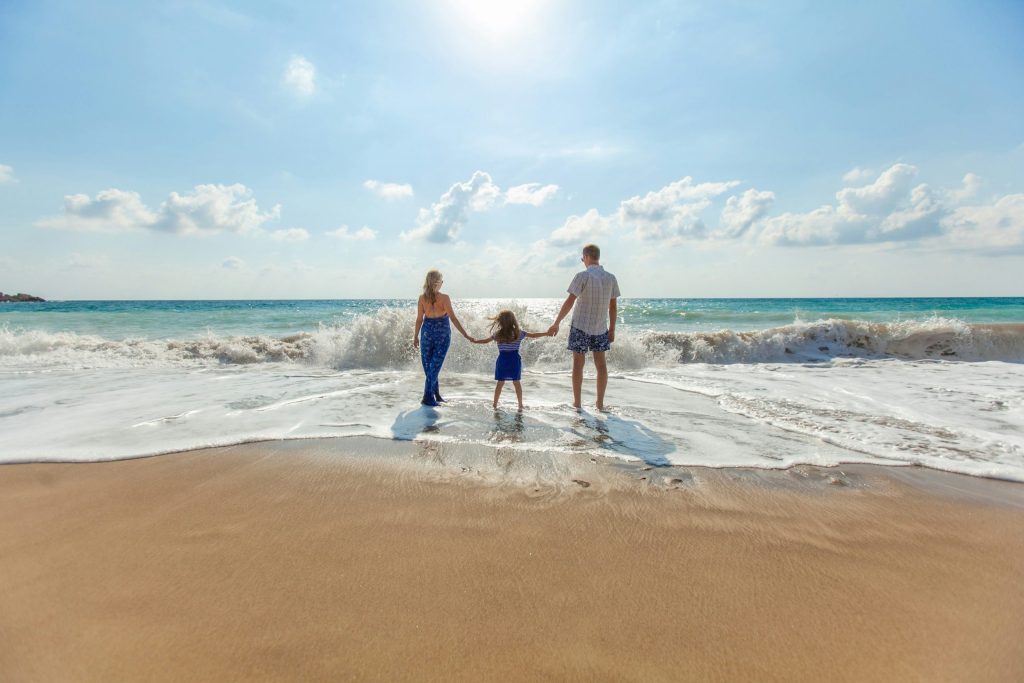
Being Prepared Makes Travel More Fun
No one goes on an international family trip expecting any of these situations to happen. But if they do, it helps to know what to do. Being prepared helps you stay calm and in control, making it easier to handle the situation. Plus, knowing you’re ready to deal with whatever comes your way takes a weight off your shoulders, allowing you to enjoy your trip to the fullest.


