

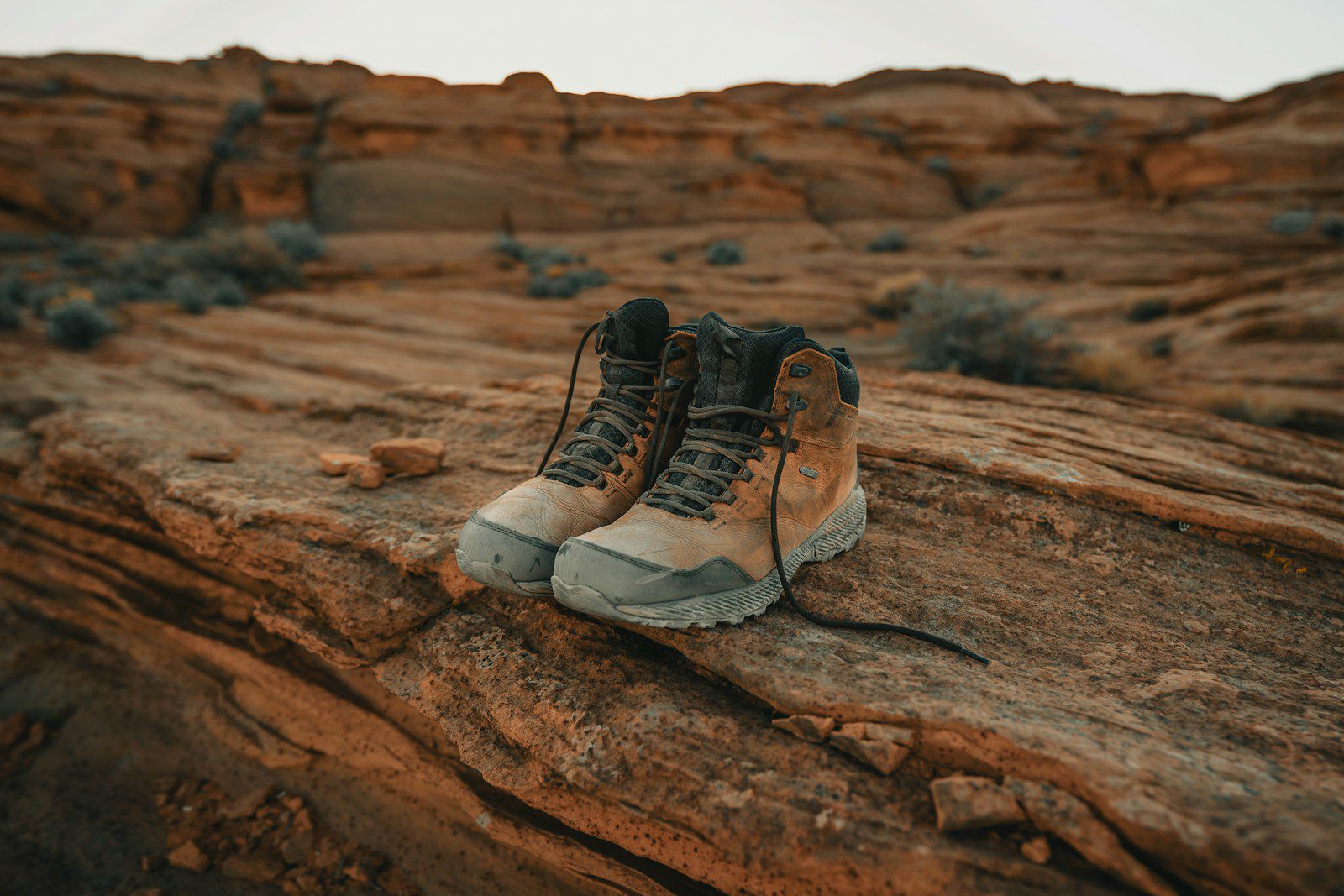
If you love tackling new trails and hiking adventures but also want real protection for your feet, composite-toe hiking boots offer a practical solution, so you can keep exploring without worrying about your feet. They’re lighter than steel-toe work boots, made from non-metallic materials like Kevlar or carbon fiber (airport-friendly!), and still built to protect your toes if a rock or log lands on your foot while hiking.
Why Consider Composite Toes for Hiking?
Hiking puts real demands on your feet and ankles. Studies on hiking injuries show that ankle and lower-leg injuries are among the most common, with sprains and strains affecting knees, ankles, and back. Blisters account for a surprisingly high percentage of reported issues. No one wants to be on an amazing hiking vacation and have to deal with blisters!
Composite toe hiking boots help in three key ways:
- Impact protection – Quality composite safety toes meet the same safety standards as steel toes, handling serious compression and impact without the extra weight.
- Lighter feel – Composite materials weigh less than steel, which matters when you’re taking thousands of steps over rough terrain.
- No metal – This means easier airport security, better insulation in cold weather since composite doesn’t conduct heat as well as steel, and no issues with metal detectors.
If you split your time between your job and weekend trails, one well-chosen pair can handle both.
Match Your Boots to Your Terrain
So whether you’re taking a Pacific Northwest road trip or enjoying trails on the weekend, the right outsole and support structure will determine how your boots perform in different conditions.
1. Rocky, Technical Mountain Trails
For scree, boulder fields, or steep mountain paths:
- Stiff midsole or shank – A firmer platform protects your feet from sharp rock edges and reduces fatigue. Research on hiking footwear shows that stiffer soles can improve stability on uneven ground.
- Aggressive lug pattern – Deep, multidirectional lugs provide better grip on loose stone.
- Higher ankle support – Mid-to-high collars help limit extreme ankle movement and offer extra protection on uneven ground.
2. Muddy Forests and Wet Coastal Trails
On soggy, rooty, or clay-heavy trails:
- Waterproof membrane – Look for boots with a waterproof, breathable liner. Wet feet cause blisters and skin irritation, not just discomfort.
- Deep, spaced lugs – Widely spaced lugs shed mud instead of clogging up and losing traction.
- Toe and heel protection – A composite toe plus a rubber toe bumper protects against hidden roots and rocks.
3. Hot, Dry Desert Trails
Heat changes your priorities:
- Breathability – Look for mesh panels or lighter uppers. Full-grain leather with a waterproof liner can feel like an oven in summer heat.
- Lighter build – Desert hikes often involve long distances on less technical ground. Every extra ounce on your feet adds up over miles.
- Lighter-color uppers – They absorb less heat from the sun than all-black boots.
The CDC highlights that outdoor activity offers major health benefits but warns about heat-related risks in hot environments. Ventilation isn’t just about comfort, it’s part of staying safe.
4. Mixed-Terrain: City, Job Site, and Trails
If you travel, work, and hike:
- Moderate lug depth – Enough grip for dirt tracks, while still comfortable on pavement and airport floors.
- Cushioning over maximum stiffness – You’re walking on mixed surfaces and carrying daypacks more often than heavy expedition loads.
- Non-metallic safety toe – Composite works perfectly if you need to go through metal detectors but still require impact protection.
Get the Fit Right
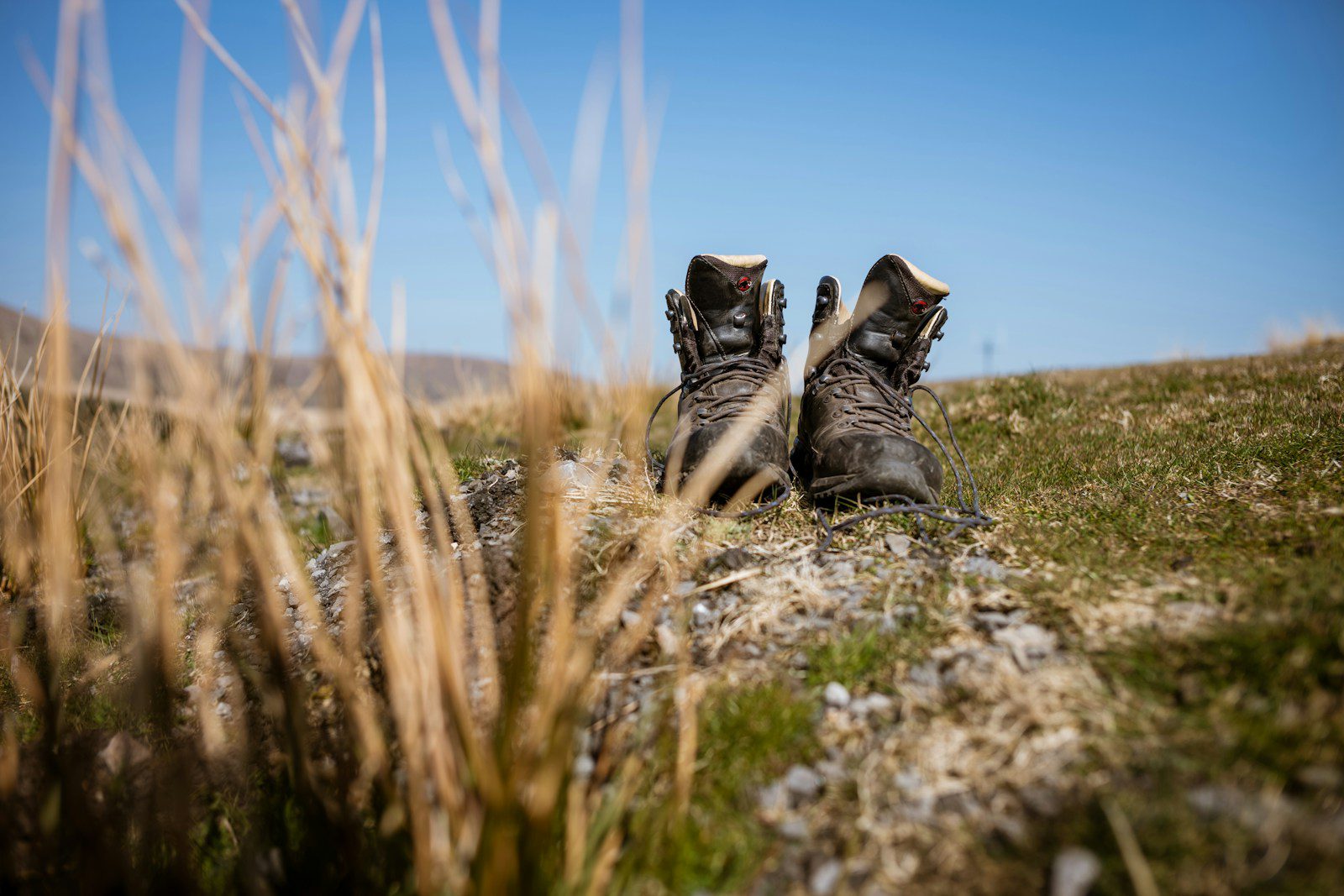
Most hikers don’t get injured by falling rocks. They get sidelined by blisters and foot pain. Studies of safety footwear users show that poorly fitting boots are a major contributor to foot pain and calluses.
When choosing composite toe hiking boots, pay attention to:
- Toe box shape
- Composite caps are bulkier than regular toes, so you need enough length and width.
- Try them with your real hiking socks and check that you can wiggle your toes freely when standing on a downhill slope.
- Heel lock
- Your heel should stay snug with minimal lift. Excess lift creates friction, which in turn creates blisters.
- Your heel should stay snug with minimal lift. Excess lift creates friction, which in turn creates blisters.
- Volume over the instep
- The instep is the top of your foot’s arch. If the boot crushes this area when you lace it, you’ll struggle on longer days. Look for boots that feel secure when laced but don’t create pressure points.
Good hiking boots should feel supportive from day one, not like something you hope will break in eventually. You don’t want to start an adventure tour in Alaska or travel around the world with boots that don’t fit properly!
Choose Protective Features That Matter
Beyond the composite toe, these features make a real difference when hiking:
- Slip-resistant outsole – Many hiking accidents come from slips on wet or loose ground. Mountain safety groups consistently highlight proper footwear as a key prevention tool.
- Ankle support level
- Low-cut: Best for easy, well-maintained paths or desert trails with lighter packs.
- Mid-cut: A solid default for mixed terrain.
- High-cut: Helpful if you’re carrying heavy loads or have a history of ankle issues.
- Certified safety toe
- Look for boots that meet ASTM F2413 (or equivalent) safety standards for impact and compression.
- Look for boots that meet ASTM F2413 (or equivalent) safety standards for impact and compression.
- Underfoot protection
- Some composite-toe hiking boots feature puncture-resistant plates in the soles, which are useful in areas with sharp metal or nails.
Quick Checklist Before You Buy
Use this checklist to verify your choice:
- Terrain match: Does the sole, stiffness, and ankle height make sense for where you hike most often?
- Protection level: Do you need safety toes? If so, is the boot ASTM-rated composite?
- Fit: Have you tried them later in the day with your actual hiking socks? Any pinch points near the safety cap?
- Climate: Waterproof and warmer for cold/wet routes, lighter and breathable for hot, dry trails.
- Versatility: If you travel, can you comfortably wear them in airports, cities, and on the trail without feeling like you’re walking in construction boots?
If you can answer yes to all five, you’re looking at a pair that’ll last for years.
Key Considerations When Choosing Your Hiking Boot
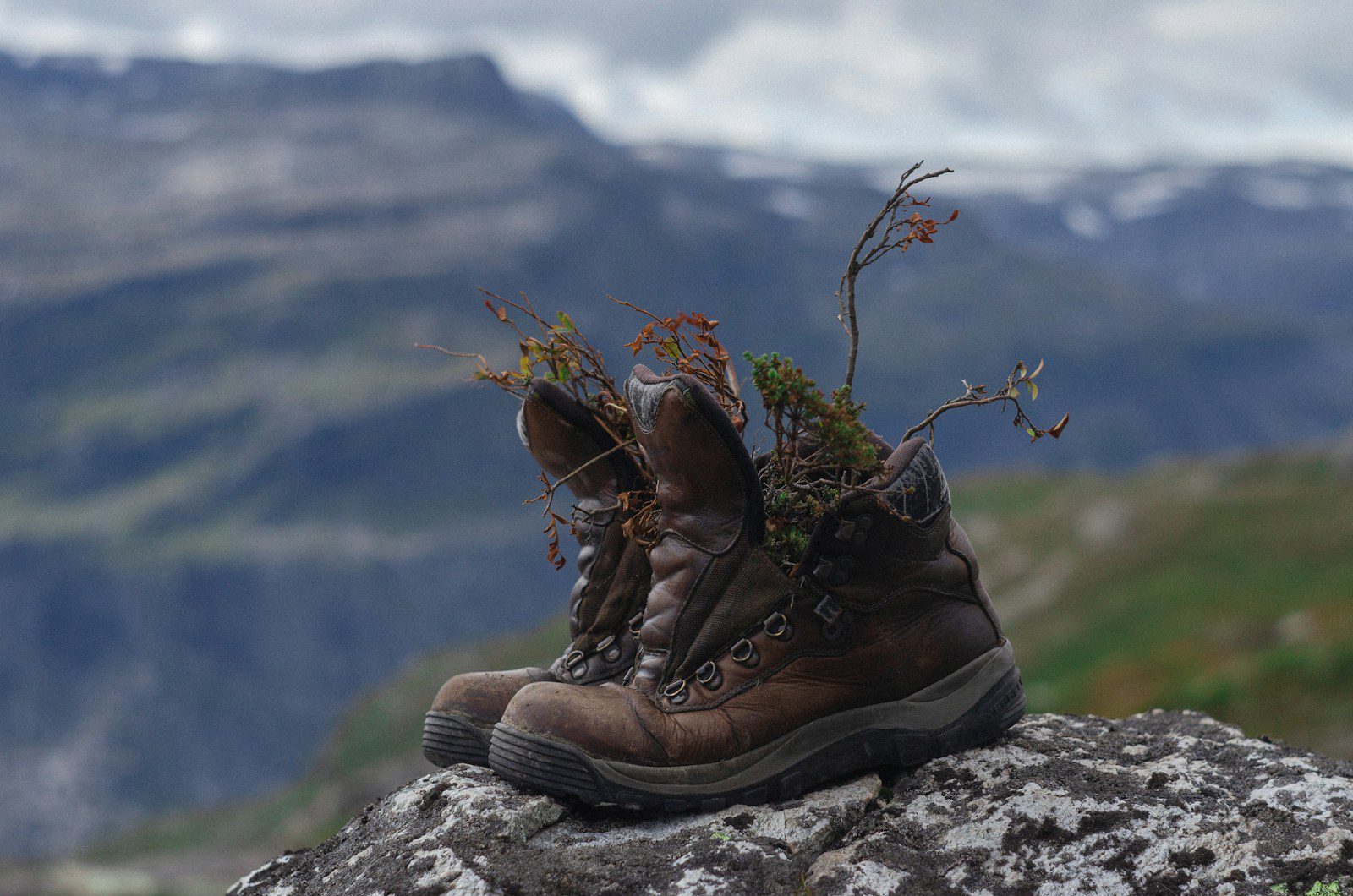
Choosing the right composite toe hiking boots ultimately comes down to a few key considerations that ensure safety and comfort on the trail.
First, it is essential to match the boot’s support and grip capabilities to the specific terrain you plan to navigate. Second, achieving a precise fit is crucial to prevent common issues like blisters and foot pain during long hikes. Finally, the boots must provide effective impact protection without adding unnecessary weight that could fatigue your feet.
By getting these three elements right, terrain-appropriate support, proper fit, and balanced protection, your boots will become a reliable partner, allowing you to focus entirely on the trail ahead rather than being distracted by what’s on your feet.
DON'T MISS ANYTHING!
FOMO - do you have it? Well there is no need to Fear On Missing Out here at Explore With Erin. Sign up to receive updates directly to your in box. I won’t spam you, but I do promise a whole lot of awesomeness. What are you waiting for? Join Me!
PS: We hate spam too, read our Privacy Policy here.