

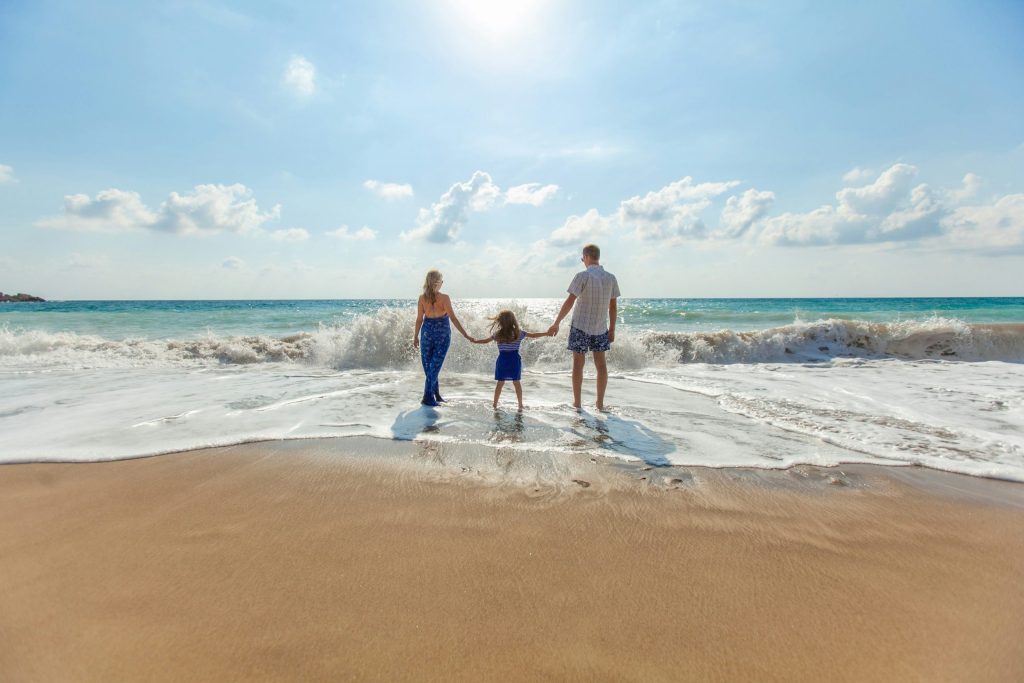
Who are we kidding? The highlight of a family break is definitely always the beach. There is something about that open space and salty air that brings out a sense of play in children and grown-ups alike. And with a little thought before you leave the house, a simple trip to the coast can feel even bigger than a few hours by the sea – with little prep!
Why adventure matters
Children are wired to explore. Give them a stretch of sand or a rock pool full of tiny creatures, and they quickly create their own world. Turning a beach day into an adventure taps into that natural curiosity while encouraging movement, problem-solving and confidence. That being said, adventure does not need expensive equipment or a packed schedule. A simple challenge can transform the day. Why not set up a treasure hunt using shells and pebbles? Or create a mission to spot different seabirds? See who can build the strongest sand structure that survives the incoming tide!
These activities encourage teamwork and give children a sense of purpose as they explore their surroundings, but we as parents benefit too. Shared challenges create opportunities to connect without the distractions of daily routines. Children often remember these moments for years because they feel like discoveries rather than organised activities.
Planning for your holiday
Preparation makes a surprising difference when adventure is the goal. Comfortable clothing, spare layers and plenty of water help children stay happy when excitement levels are high. Sun cream, hats and appropriate footwear are worth packing even on cooler and cloudier days, as conditions can change quickly along the coast. A lightweight backpack with snacks, a first-aid kit and a dry change of clothes can save a great deal of stress later.
Choosing the right beach is just as important. Some families will enjoy wide stretches of sand for games and races, while others may prefer beaches with rock pools, coastal paths or calm shallows for paddling. If younger children are involved, look for facilities nearby and check tide times before setting out. It helps to bring children into the planning process. Ask them to choose one activity they would like to try, from bodyboarding to a nature hunt. Giving them ownership creates anticipation and encourages enthusiasm throughout the day. Older children may enjoy helping to map a walking route or researching local wildlife before you arrive.
When choosing destinations, especially if your family hopes to combine several outdoor experiences into an active beach holiday, think beyond the shoreline itself. Coastal trails, nature reserves and watersports centres can add extra layers of adventure without making the day feel overplanned. And leave room for unexpected discoveries too!
Creative activities
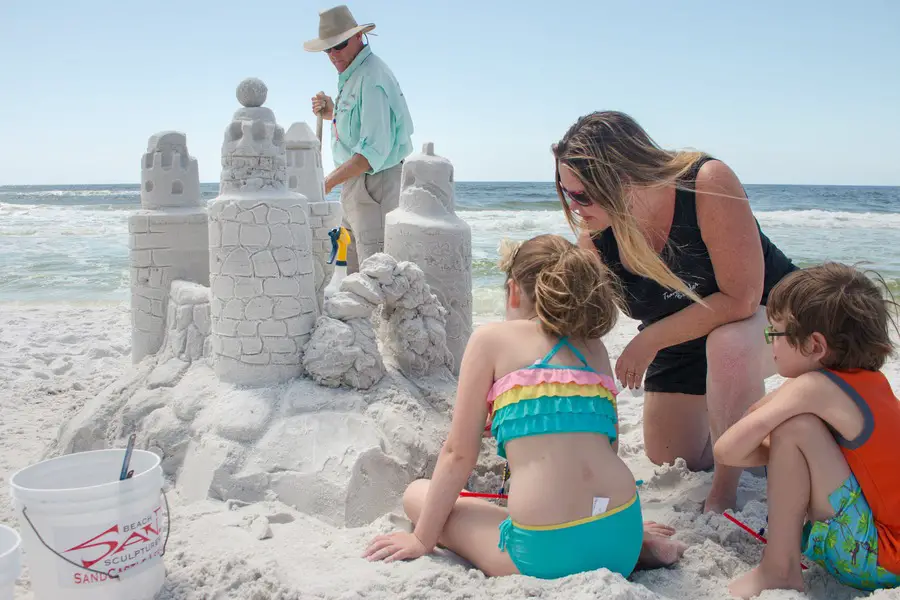
The best beach adventures often start with the simplest ideas. A sandcastle competition instantly adds excitement, especially when everyone has a theme to follow. Try building pirate forts, miniature towns or castles designed to withstand the tide. For children who enjoy a challenge, create a scavenger hunt with items to spot or collect, such as smooth pebbles, heart-shaped shells, sea glass or signs of local wildlife. Older children might enjoy a photography challenge, capturing interesting patterns in the sand or unusual coastal features.
If the conditions are right, introduce gentle watersports such as paddleboarding, bodyboarding or kayaking through beginner-friendly providers. These activities build confidence while adding a real sense of adventure to the day. For younger children, paddling races, relay games and beach cricket can be just as engaging without requiring any special equipment.
Not every beach day arrives with perfect sunshine, and that’s no reason to abandon the fun. On cooler or cloudy days, explore rock pools, follow coastal paths or search for interesting plants and birds. A brisk walk along the shoreline often leads to discoveries that would otherwise go unnoticed. Teenagers may enjoy navigation challenges using maps, while toddlers can spend ages digging channels and watching the water flow through them.
Making memories
Taking a few moments to preserve the experience helps children revisit those memories long after the holiday is over. Photos are the obvious choice, but they become far more meaningful when they capture real moments of discovery rather than posed pictures – so keep taking loads!
Maybe a travel journal would suit your family, too? Where children can draw, write or stick in postcards from the places they visit. Collecting a small selection of shells, pebbles or other natural treasures can also create a lasting reminder of the day, as long as local regulations allow it. Once home, these finds can be used for crafts, displayed in jars or turned into homemade keepsakes.
Storytelling is another powerful way to extend the experience. During the journey home or over dinner, encourage everyone to share their favourite moment or the funniest thing that happened! Children often remember details adults have missed entirely, and these conversations strengthen the shared memories created throughout the day.
The adventure can even continue indoors. Use collected photos to create a scrapbook, research the wildlife you spotted or try a beach-themed craft project together. A single day by the sea can spark weeks of curiosity, creativity and family conversation, making the experience feel much bigger than the hours spent on the sand.
So, the next time you head to the coast, try looking beyond the bucket and spade. Pack your sense of adventure, follow your children’s enthusiasm, and let the shoreline surprise you!


