

It’s the last morning of your trip. The fridge holds half a loaf of bread, wilted spinach and three yogurts nobody touched. The cereal has gone soft in the humidity. All of it goes in the bin, along with the money you spent on it.
Food is one of the easiest places to lose money on a family trip, and one of the easiest to fix. A few simple habits help you buy less, store better and use what you have.
Why Food Gets Wasted on Family Trips
Travel makes food harder to manage. Here’s where most of the waste comes from:
- Plans change. Tired kids turn a home-cooked dinner into a restaurant meal.
- Unfamiliar shops. It’s easy to overbuy when you don’t know the pack sizes.
- Heat and humidity. Food spoils faster than it does at home.
- Small fridges. Food gets lost at the back.
- Picky eaters. A snack kids loved last week gets refused in a new place.
- Checkout day. Leftovers get left behind in the rush.
Once you know where the waste comes from, it’s much easier to stop.
1. Plan Your Meals Before You Go
A little planning at home saves a lot of money later. Start by finding out what your accommodation provides. Ask whether there’s a full kitchen, an oven, a kettle and basic items like oil, salt and coffee.
Villas and apartments vary a lot, and a quick message to the host stops you buying things you didn’t need.
Next, write a loose meal plan. You don’t have to plan every meal. Most families do well with three or four dinners cooked at home, simple breakfasts, and room for eating out when the mood strikes.
Keep the first night easy, because arrival days are tiring. If you want ideas for food that suits your destination, the Eat With Erin section is a good place to start.
Finally, set a weekly food budget. A number to aim for helps you notice overspending early, before it adds up. You can find more planning ideas across the travel tips section.
2. Shop Small and Shop Often
The biggest mistake families make is buying a full week of groceries on day one.
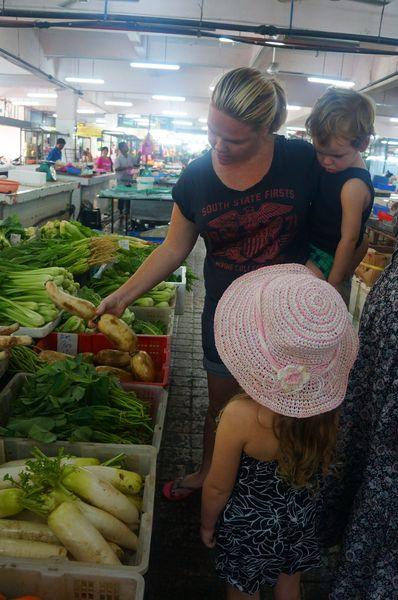
Fresh food keeps best when you buy it close to when you’ll eat it, so aim to shop for two or three days at a time. It also gives you a reason to visit local markets, which is one of the best parts of travel anyway.
Seasonal produce is often cheaper and tastier, and the kids usually enjoy the trip.
Check unit prices before you grab the bigger pack. A family-size box is only a bargain if you’ll finish it, and on a one-week stay you often won’t. Look for ingredients that work in several meals, such as eggs, rice, tortillas, pasta and fruit. These keep your shopping list short and your fridge simple.
It also helps to keep a “use first” shelf. When you unpack the shopping, put the foods that spoil soonest where everyone can see them. Out of sight really does mean out of mind with leftovers.
3. Store Food So It Lasts
Good storage is the quiet money-saver of any long trip. Heat, damp air, light and insects ruin dry food faster than most people expect, especially in places like Southeast Asia. An opened box of cereal can go stale in a few days.
The fix is simple: move dry foods out of flimsy packets and into sealed containers or pouches.
- Repack dry foods like oats, rice, pasta, nuts and snacks.
- Use sturdy bags. Many families pack dry staples into reusable food storage bags because they’re light and easy to squash into a suitcase.
- Squeeze out extra air and seal each bag well.
- Label every bag with the food and the date.
- Keep food cool and out of the sun, away from the stove and sunny windows.
- Block bugs. Wipe crumbs, close packets and cover bins.
Safety note: foil-style bags like these are for dry foods only. Never seal wet or moist foods inside them.
Once you’re home, Erin’s guide to storing travel gear at home shows how a little organisation keeps the next trip easier.
4. Keep Kids’ Snacks Fresh and Fuss-Free
Snacks are where family food budgets quietly disappear. A few pounds or dollars here and there at tourist spots and petrol stations add up quickly. The easiest way to avoid it is to carry your own snacks and keep them fresh.
Pre-portion snacks into small bags before you head out for the day. Kids tend to eat what’s in front of them, and you avoid opening a big packet that will go stale by evening.
Pack foods your children already like, and introduce new foods in small amounts so you aren’t left with a full pack nobody wants. Finish what’s open before you start something new, and use clips or zip bags to keep half-eaten packets from going soft in a day bag.
A dedicated snack bag for outings also stops impulse buys. When your child asks for something at the ferry stop, you already have a fix. You’ll find more ideas for travelling with kids in the family travel section.
5. Make the Most of the Fridge and Leftovers
Rental fridges are small, and food gets lost in them. Check that yours is cold and clean when you arrive, and do a quick fridge check every second day. Look at what needs eating soon and plan your next meals around it.
Food safety matters here too. The general rule is that perishable food shouldn’t sit out for more than two hours, or just one hour when the temperature is above 90°F (32°C). Cool leftovers quickly, keep them in sealed containers and eat them within a day or two.
If something looks or smells wrong, throw it out. A few dollars saved is never worth a sick child on holiday.
Leftovers can also be a gift when you plan for them. Cook once and eat twice. Last night’s roast chicken becomes lunchtime wraps, and extra rice turns into fried rice the next evening. It saves time, money and washing up.
6. Cook Simple Meals in a Villa or Rental
A villa kitchen is one of the best tools for cutting costs, as long as you keep the cooking simple. Choose a handful of easy recipes that share ingredients, so one bag of peppers or one tub of yogurt stretches across several meals.
Cook just enough for dinner plus a small lunch the next day, and avoid making huge batches you won’t finish.
On busy days, one-pot meals like pasta, curry or a simple stir-fry keep dinner stress-free, which means you’re less likely to give up and order takeaway. If you’re staying somewhere beautiful, like the villas in Penestanan, Ubud, cooking a few meals at home also gives you more time to enjoy the view.
7. Use It Up Before You Leave
The last two days of a trip are your final chance to save money. Start planning meals around what’s left in the cupboards and fridge. Make a pasta night, a breakfast-for-dinner night and a snack-plate lunch, and let the kids help clear the shelves.
Before you check out, ask your host about unopened items. Many hosts are happy to keep sealed pantry goods for the next guests, and some families donate leftovers to local food banks or give them to neighbours.
Don’t leave open food behind, since it attracts pests. A final wipe-down and a quick check of the fridge, cupboards and bins finishes the job.
If you travel full-time or for months at a time, these habits matter even more. Erin’s story of how her family became a nomadic family shows how much everyday routines like this shape a long journey.
Final Thoughts
Avoiding food waste on a family trip doesn’t take perfection. It takes a loose plan, small and regular shopping trips, good storage and a habit of checking what you have before you buy more.
Do those four things and you’ll waste less, spend less and spend more of your trip enjoying the places you came to see.
Start with one change on your next trip. Maybe it’s repacking your dry snacks, or maybe it’s a two-day fridge check.
Add another habit each time, and before long, throwing out a bag of spoiled food on the last morning will be a thing of the past.


