

Standing on the summit of Mount Kilimanjaro is one of those bucket-list dreams that feels both impossible and totally doable – if you play it smart. No ropes, no ice axes, no technical climbing skills required, but your lungs, legs, and brain will all get tested at 5,895 meters (19,341 ft).
Forget generic “checklists.” What comes next are real, tried-and-true tips from the trail: how to boost your summit chances, what really matters when exhaustion hits, and the sneaky mistakes most trekkers don’t see coming.
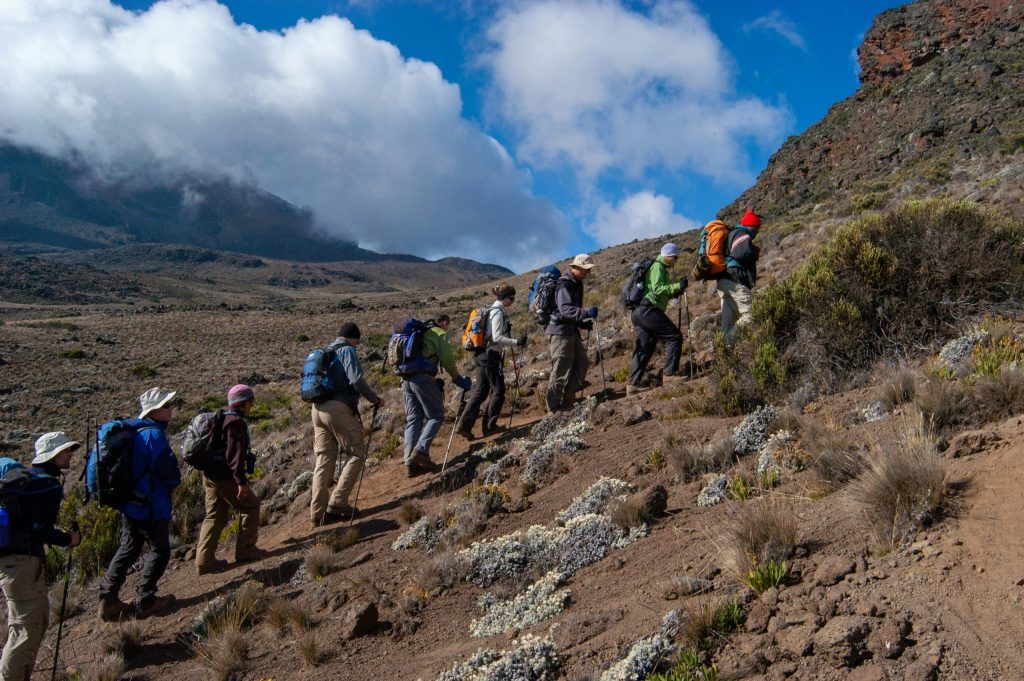
Start With the Real Challenge: Altitude
Most “failures” on Kilimanjaro have little to do with fitness. Altitude is the main gatekeeper, and it doesn’t care whether you run marathons or sit at a desk.
Choose time, not toughness
A longer itinerary is typically safer and more successful than a shorter one. Why? Because acclimatization improves when your body has time to adapt. Many operators and high-altitude studies cite a clear trend: itineraries of 7–8 days often achieve materially higher summit success rates than 5–6 day schedules, largely because the ascent profile is more forgiving.
Respect acute mountain sickness (AMS)
Mild AMS symptoms – headache, nausea, poor sleep – are common. The goal isn’t to “power through,” it’s to notice changes early and respond appropriately. A simple rule that works: if symptoms worsen at rest, you need to stop ascending and consider descending. Bring this mindset from day one; it reduces the temptation to gamble later.
Pick a Route That Fits Your Priorities
Kilimanjaro isn’t one trail. Routes differ in crowd levels, scenery, steepness, and – most importantly – acclimatization profiles.
Match the route to your risk tolerance
- If you want more time to adapt, look at routes known for longer approaches and “climb high, sleep low” opportunities.
- If you’re sensitive to crowds, factor in popular corridors and peak season traffic.
- If your knees dislike steep descents, pay attention to how each route finishes; some exits are punishing after summit night.
There’s no universally “best” route – only the best match for your timeline, comfort with altitude, and the experience you want. If you’re comparing options and logistics, it helps to review a few route breakdowns and preparation notes in one place. One helpful overview is this guide to experience Africa’s iconic mountain adventure, which lays out routes and planning considerations in practical terms rather than hype.
Train for Endurance and Recovery (Not Speed)
You don’t summit Kilimanjaro by sprinting; you summit by staying steady for days, then having enough left for a long summit push.
Build a “slow all day” engine
Training should mimic what you’ll actually do: sustained, moderate effort while carrying a daypack. Prioritize:
- Long hikes (2–6 hours) on consecutive days to simulate multi-day fatigue
- Stair or hill sessions at an easy pace
- Strength work for legs and hips (squats, lunges, step-ups), plus core stability
If you can, train on uneven terrain. Your ankles and stabilizers will thank you when the trail gets rocky and dusty.
Don’t ignore downhill conditioning
Many trekkers focus on going up and forget that the descent can be harder. Downhill work (controlled step-downs, hiking poles practice, eccentric leg strength) reduces the chance of sore knees derailing the last days.
Dial in Your Gear – Then Keep It Simple
Gear shouldn’t be a fashion show or a survivalist fantasy. It’s comfort, warmth, and energy management.
Layering beats bulky jackets
On Kilimanjaro, you can feel hot in the sun and freezing in the wind within the same hour. Use a modular layering system (base, mid, insulation, shell) so you can adjust quickly without sweating through your clothes.
Here’s the short gear list that most directly affects comfort and safety (and what I’d double-check before flying):
- Boots you’ve already broken in, plus quality socks you’ve tested on long hikes
- A warm sleeping bag appropriate for sub-zero nights at higher camps
- A hard-shell jacket and pants for wind and rain
- Insulated gloves + a spare pair, and a warm hat that covers ears
- Trekking poles, especially helpful on descent
- A headlamp with fresh batteries for summit night
- Water system you’ll actually drink from (bottles, bladder, or both), plus purification backup
One more thing: bring a small “comfort kit” (blister care, lip balm, electrolyte mix). These minor items have an outsized impact when you’re tired and cold.
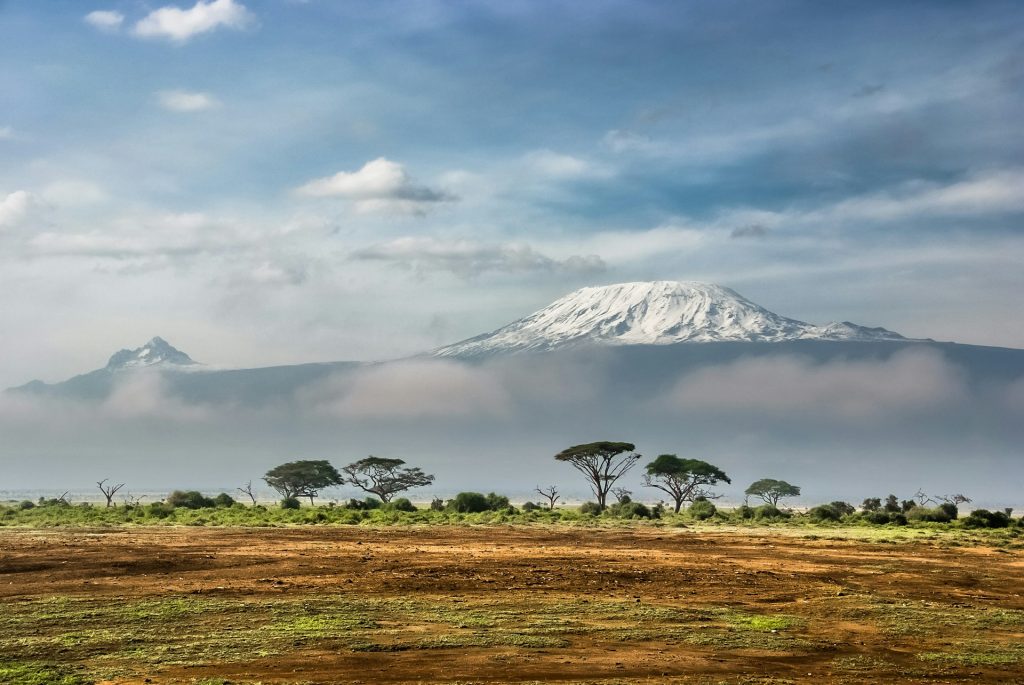
Master the Summit Night Mindset
Summit night is a long, cold grind – often 10–14 hours of movement – followed by a descent that demands focus. It’s where preparation meets psychology.
Pace and micro-goals win
The classic advice “pole pole” (slowly, slowly) is effective because it limits exertion and helps reduce altitude stress. Break the night into simple segments: next switchback, next rest stop, next ridge. Don’t negotiate with the whole mountain at once.
Eat and drink even when you don’t feel like it
Appetite often drops at altitude, but energy needs spike on summit night. A practical tactic: set a timer to sip regularly and take small bites frequently (ginger candies, energy chews, or simple carbs you tolerate well). Dehydration and low calories can mimic or worsen altitude symptoms.
Practical Logistics That People Underestimate
The details around the trek – paperwork, timing, and health planning often determine whether the experience feels smooth or stressful.
Pick the right season, then pack for variability
Dry seasons generally offer more stable footing and clearer skies, but Kilimanjaro makes its own weather. Even in “good” months, expect temperature swings and sudden wind.
Get insurance that actually covers the trek
Read the fine print: you want coverage for high-altitude trekking up to 6,000 meters and emergency evacuation. Don’t assume standard travel insurance includes it.
Talk to your doctor – especially about altitude medication
Some trekkers use acetazolamide (Diamox) as a preventative aid; others prefer to avoid it. Either way, make that decision early, discuss contraindications, and trial it before the trip if you can.
Final Thought: Success Is a Chain of Small Decisions
A Kilimanjaro summit isn’t one heroic moment; it’s a week of reasonable choices: taking the slower itinerary, drinking enough water, adjusting layers before you sweat, speaking up when something feels off. Do those things consistently, and your odds improve dramatically – not just of reaching the top, but of enjoying the journey up and down the mountain.


