

The best part of weekend camping in California is not just one famous destination. It is the ability to experience completely different landscapes within a short trip.
In a single weekend, travelers can choose coastal campsites, forest campgrounds, canyon trails, or desert basecamps. Each setting creates a different kind of outdoor rhythm.
That variety is what makes California ideal for short camping trips. Travelers do not need a long vacation or a complicated itinerary. With the right destination, two days outside can be enough to step away from city routines and reconnect with nature.
For families, couples, and small groups of friends, the value of camping is not how many places they visit. It is whether they can slow down, enjoy the outdoors, and feel comfortable while doing it.
Coastal Camping Slows Everything Down
For travelers seeking a softer, more relaxing weekend, coastal camping is a natural choice.
California’s coastline offers many places where campers can stay close to ocean views, sea air, and sunsets. The best part of coastal camping is that it does not require a packed activity schedule to feel meaningful.
A day can include a walk along the shore, a simple picnic, or a quiet afternoon near camp. By evening, the sound of wind and waves becomes part of the experience.
Still, coastal camping brings its own challenges. Ocean air can be damp, nighttime temperatures may drop, and wind is often more noticeable than inland. A tent needs more than basic capacity. It should offer space, airflow, and stability.
For families or groups, interior comfort matters. The scenery already creates the atmosphere. The right gear helps travelers stay in that setting more comfortably.
Forest Camping Creates a Natural Family Space
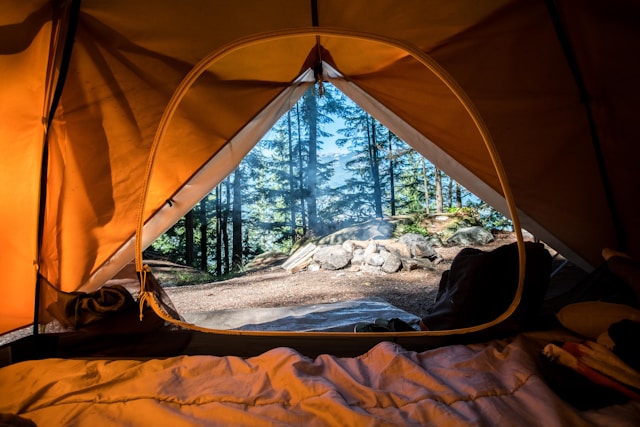
Forest campgrounds are ideal for travelers who want shade, quiet, and a more grounded outdoor experience.
Compared with coastal sites, forest camps often feel softer and calmer. The light is filtered through trees, temperatures can feel more comfortable, and children often settle naturally into the environment.
For family camping, forests create a strong sense of outdoor living. Days can be spent on short trails, around camp, or simply enjoying the slower pace of being surrounded by trees.
However, forests also bring moisture and ventilation concerns. Cooler nights, damp ground, and limited airflow can affect interior tent comfort. When several people share the same tent, poor ventilation can quickly make the inside feel stuffy.
This is why more families are paying attention to inflatable tents for camping. Inflatable structures reduce complicated setup and help campers create a comfortable base more quickly. For families staying in forest environments, spacious and breathable interiors can make a major difference.
Canyon Camping Adds Adventure to the Weekend
For travelers who want more exploration, canyon and rock landscapes create a very different camping experience.
California has many places where weekend campers can hike between rock walls, follow sandy paths, and explore dry terrain shaped by time and weather. These trips feel more active because the body is part of the experience, not just the eyes.
After a day of hiking through canyon terrain, the campsite becomes much more important. A tent is no longer just a place to sleep. It becomes the recovery space after trail time.
In this kind of setting, setup efficiency and interior organization matter. If travelers spend the day hiking, taking photos, and exploring, they do not want to return to camp and struggle with a complicated shelter system.
Compared with traditional pole tents, inflatable tents make sense for this type of weekend adventure. Their air-supported structure is easier to set up, helping campers spend more time on the trail and less time building camp.
Desert Camping Offers Space, Silence, and Stars
Desert camping feels completely different from coastal or forest trips.
There is more open sky, fewer background sounds, and a stronger sense of space. Daylight can feel sharp and bright, evenings bring dramatic color changes, and nights often reveal a clearer view of the stars.
For travelers who enjoy photography, solitude, and open landscapes, desert campsites can be especially rewarding.
However, desert camping requires better preparation. Wind, sun exposure, temperature shifts, and dry air all affect the comfort of camp. A tent needs to provide a stable place to rest, not just a sleeping surface.
For groups, interior space becomes even more important. Clothing, food, gear, and personal items need to be organized inside the shelter. If the tent is too small, the campsite can quickly feel chaotic.
A product like Vega works well as an inflatable outdoor tent in these conditions. With 129 sq ft of interior space, room for 2–6 people, an 11-minute setup time, and a seven-window design for airflow, it can help connect daytime exploration with a more comfortable night at camp.
Good Destinations Need the Right Gear
Many travelers spend most of their planning time choosing the destination.
But once they arrive at camp, gear plays a major role in how the trip feels. The destination provides the scenery, but the tent shapes the stay.
Coastal campsites call for moisture control and stability. Forest settings need ventilation and comfort. Canyon trips reward fast setup and organized interiors. Desert environments require airflow and wind resistance.
For families and small groups, a tent that works across different settings can make weekend travel feel easier. Vega’s PU5000mm waterproof rating, taped seams, and wind resistance of up to about 50 mph can support a range of outdoor conditions.
It does not need to be the main subject of the journey. It simply becomes a dependable part of the camping experience.
Camping Changes the Pace of Travel
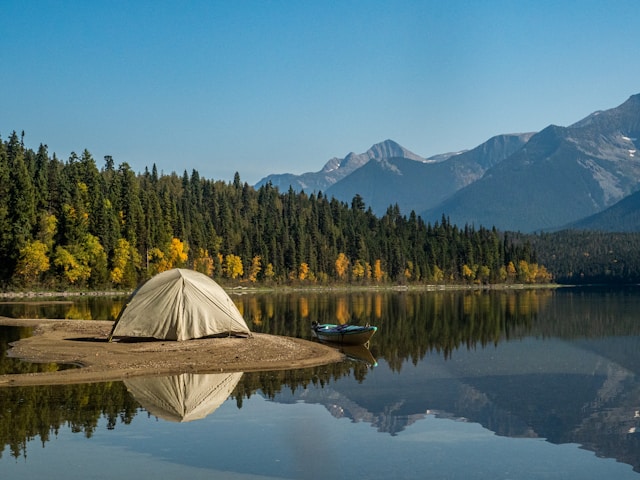
The real value of California outdoor travel is not just the scenery. It is the change in rhythm.
The coast helps travelers relax. Forests create calm. Canyons add energy. Deserts bring space and silence. Each setting offers a different mood, and camping connects those moments into one experience.


