

If you’re visiting the USA from Europe, you may have some reservations about the food. You may have heard that American food is less healthy – or even less safe – than food elsewhere in the world. But the US has stringent food safety standards, and it’s perfectly possible to eat very healthily and well in America if you avoid highly processed fast food!
Traveling in the United States can be a great opportunity to enjoy fresh fruit, vegetables, seafood, bread, dairy, and regional specialties. However, as you would anywhere, it’s important not to lose sight of food safety.

Why Is It Important?
Fresh produce can form the basis of the healthiest meals you can eat – but it can also be very bad for you if it’s degraded. What’s more, illnesses linked to bacteria, viruses, or parasites such as Cyclospora can sometimes be associated with fresh produce or improperly handled food. As such, it is smart to know what to look for, to shop carefully, store food properly, and wash items when needed.
Know Where to Shop
In most US cities and towns, you will find plenty of places to buy fresh food. Supermarkets are often the easiest option because they usually carry produce, meat, seafood, dairy, bakery items, and prepared foods all in one place. What’s more, large chains often have consistent quality and clear labeling.
However, if you prefer something a bit more local (and perhaps of better quality!), farmers markets are excellent for seasonal produce, local honey, eggs, flowers, baked goods, and specialty items. Farmers markets aren’t universal in US towns and cities, so you might have to seek them out. They are common on weekends, though many cities also have weekday markets – and you’re bound to find some good local producers at food festivals! If you visit one, go early for the best selection or near closing time for possible discounts.
Specialty stores can also be useful. Hispanic, Asian, Middle Eastern, and European markets often sell fresh herbs, vegetables, breads, cheeses, and seafood that may be hard to find elsewhere. They can also be cheaper than mainstream grocery stores for certain ingredients.
Check Freshness Before You Buy
When buying produce, use your senses. Fruits and vegetables should look vibrant, smell fresh, and feel appropriate for their type. Avoid items with mold, slimy spots, deep bruises, or leaking juices. A few surface marks on local or organic produce are usually fine, but decay is not.
For leafy greens, choose bunches or packages that look crisp and cool, not wilted or wet. For berries, check the bottom of the container for crushed fruit or liquid. For melons, avoid cracked rinds. For herbs, look for bright leaves and firm stems.
When buying meat, poultry, or seafood, check the sell-by date and make sure packages are cold and tightly sealed. Fish should smell mild, not sour or strongly “fishy.” Shrimp and scallops should be firm and cold. If anything looks gray, sticky, or poorly refrigerated, choose something else.
Understand Labels and Dates
US food labels can be confusing. “Sell by,” “best if used by,” and “use by” dates are often about quality, not always safety. Still, when traveling, it is best to buy items with enough time left to use them before you move on.
Look for country-of-origin labels on some produce, meat, and seafood if that matters to you. Organic labels are regulated in the US, but organic does not automatically mean safer or fresher. Local products may be fresher because they traveled a shorter distance, but they still need proper handling.
Plan for Storage
Before buying fresh food, think about where you will keep it. If your hotel room has only a mini fridge, buy small amounts. If you are driving, keep a cooler with ice packs for meat, dairy, cut fruit, salads, and leftovers.
Perishable food should never be left for too long in a hot car. In warm weather, shop for refrigerated and frozen items last, then go directly back to your lodging. If you are sightseeing after shopping, stick to shelf-stable items such as whole fruit, nuts, bread, and sealed snacks.
Buy Seasonally and Regionally
Fresh food is always best when it is in season. In summer, look for peaches, berries, tomatoes, corn, and melons. In fall, apples, squash, pears, and root vegetables are widely available. Coastal areas are good places to try fresh seafood, while agricultural regions may have excellent farm stands.
Ask vendors what is local or especially good that day. Many are happy to suggest ripe fruit, cooking tips, or storage advice.
Keep It Simple
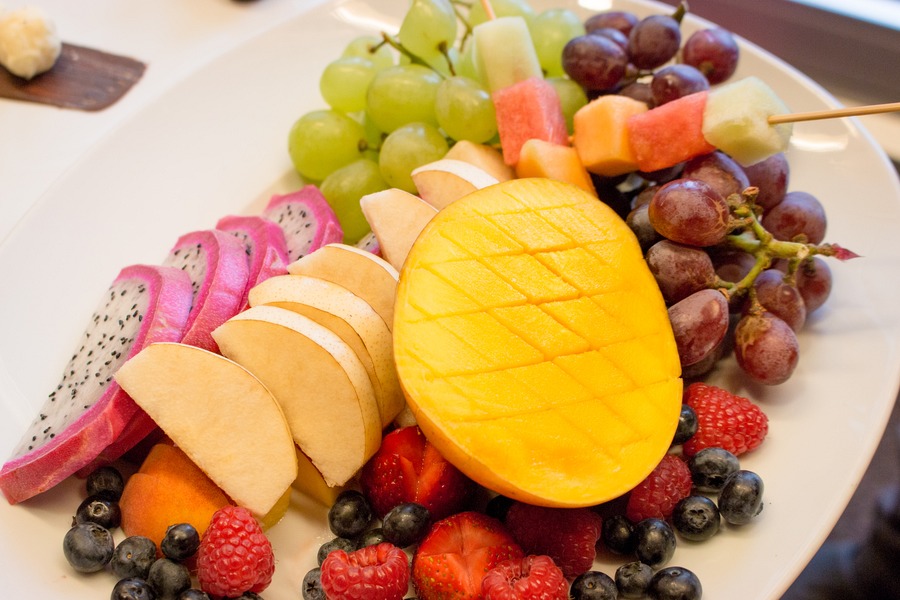
The best travel meals are often the simplest: fresh fruit with yogurt, salad with rotisserie chicken, sandwiches with local tomatoes, or bread with cheese and seasonal produce. Buy only what you can eat safely and comfortably. With a little planning, fresh food can make traveling in the US healthier, cheaper, and much more enjoyable.


