

Traveling is about freedom and new horizons. You plan every detail from the snacks to the playlist. A crash can cut the journey short when the unexpected happens. It is a jarring shift from vacation mode to crisis management. Handling the situation correctly helps you get home safely. You can salvage part of your peace of mind with the right steps.
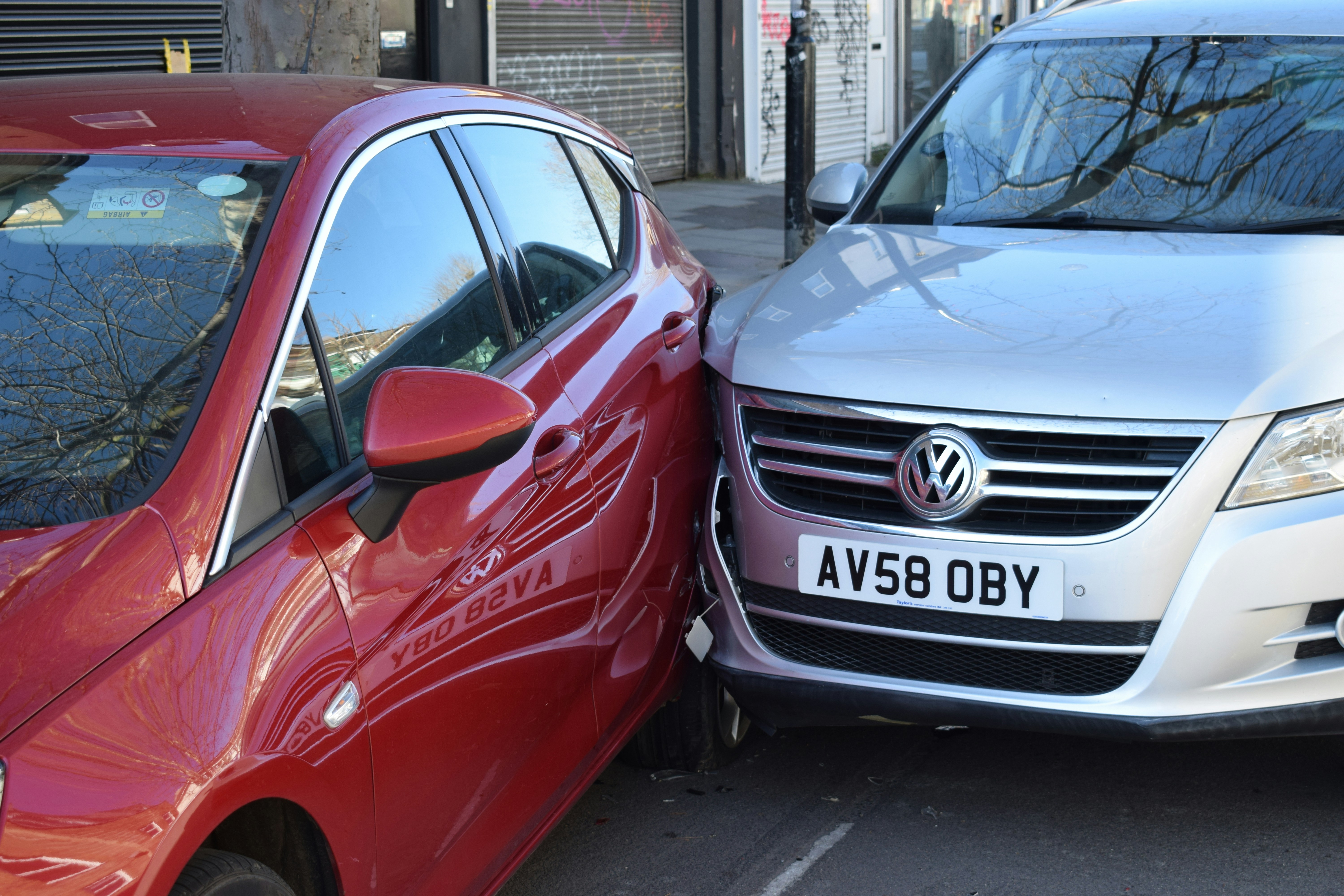
Stay Calm and Safe
Safety comes first once the vehicles stop moving. Check your passengers for injuries before stepping out of the car. Move to a safe area away from traffic if the vehicle is still drivable. You need to stay visible to other drivers to avoid a second collision.
Fatigue is a major factor in highway incidents. One group warned that drivers going 6 hours without a break face a 40% higher chance of a crash. Taking regular breaks keeps your reflexes sharp. Call 911 right away to report the incident and request medical help.
Recording the Details
A report provides an official record of what happened. You should exchange contact and insurance info with the other driver. Do not discuss who was at fault as you wait for the police. Keeping your comments neutral prevents future legal headaches.
Different states have different rules for reporting accidents. A legal resource mentions that you must contact the police if vehicle damage is more than $1,500. This documentation is needed for insurance claims later. Use your phone to take photos of the cars and the surrounding road conditions.
Navigating Out-of-State Laws
The laws of the state where the crash happened will govern your case. Finding a local attorney for serious auto injuries is a smart move if you are far from home. Legal experts help you understand your rights in an unfamiliar jurisdiction. You deserve professional guidance when dealing with out-of-state insurance companies.
Each region has its own statutes regarding negligence and liability. A legal team on the ground knows the local court system and the filing deadlines. This expertise is a huge help when you are trying to recover from a distance. You can focus on your health instead of studying local law books.
Medical Needs and Long-Term Health
Medical evaluations are necessary even if you feel fine. Some injuries take hours or days to show symptoms. A medical study noted that patients with a prior concussion had a 15% higher risk of long-term disability. Seeing a doctor right away creates a paper trail for your recovery.
Modern car features are changing how we view road safety. These systems can help prevent crashes before they ever happen. A federal rule from 2024 requires automatic emergency braking with pedestrian detection on all new passenger vehicles. This technology is a big step forward for traveler safety.
Handling the Rental Car
If you are driving a rental, your duties might be different. Contact the rental agency as soon as you are safe to report the damage. They have specific procedures for you to follow regarding repairs or a replacement car. You do not want to be stuck without transportation in a strange city.
Insurance costs can add up quickly on a trip. Experts state that a Collision Damage Waiver can cost between $10 and $20 a day. Reviewing your personal policy before you leave can save you from paying for extra coverage.
Here are some items to keep in your records:
- All medical bills and receipts.
- Copies of the police report.
- Towing and repair invoices.
- Receipts for canceled hotel stays.
Liability and Vehicle Technology
Liability can become complicated when advanced tech is involved. Researchers suggest that liability for self-driving car accidents might depend on whether a human could have avoided the crash. This makes having clear evidence from the scene more important than ever. You should know if your rental car has these features active.
The force of an impact depends heavily on how fast the cars were moving. High speeds leave very little room for error or reaction time. Data shows that vehicles traveling at 40 mph have a 50% higher chance of being involved in fatal collisions. Keeping your speed down gives you more time to react to hazards.
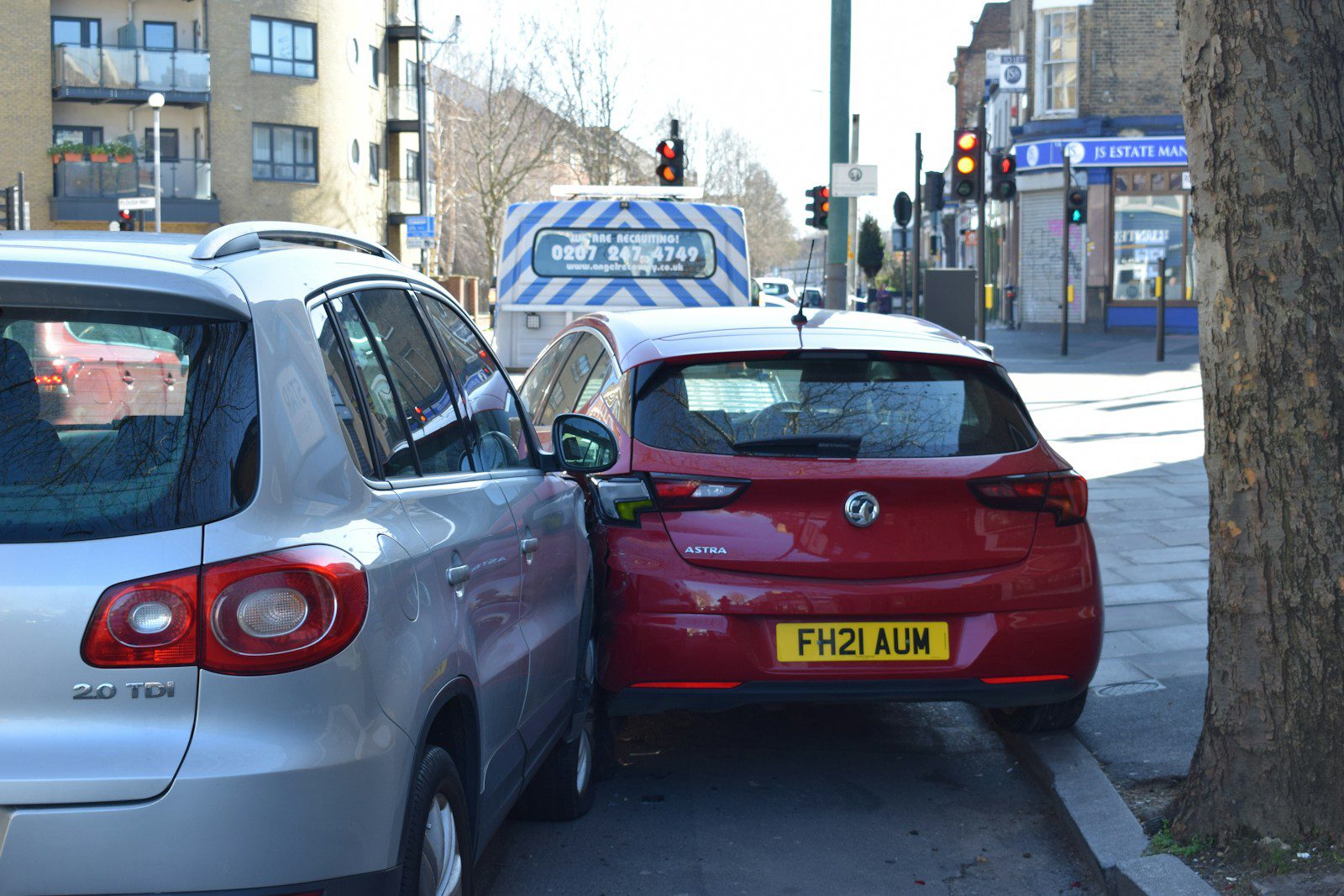
Survival Rates and Awareness
Emergency response times play a huge role in survival. Reports indicate that an effective trauma care system can improve survival from serious injuries by 25%. Knowing the local emergency numbers helps when you cross state lines. Fast action saves lives in the golden hour after a crash.
The aftermath of a crash is difficult to handle. You might feel overwhelmed by the legal and medical paperwork. Following a clear plan helps you regain control of the situation. Your health and safety are more important than any itinerary. Take the time you need to heal and recover. You can always plan another adventure when you are ready.


