

The gap between packing everything a family needs and being able to reach it when it matters is where many travel-day problems begin. A family travel-day bag works best when it holds only what may be needed between leaving home and checking into the hotel, not everything the trip requires. Extra clothes, shoes, and destination gear can stay in checked luggage or the trunk. Snacks, chargers, documents, and a spare shirt for a younger child need a different home.
An organized family travel day bag with snacks, water bottles, toiletries, chargers, and travel essentials arranged beside luggage in a hotel room.
The aim is not to carry more. It is to make what is already coming along easier to find, whether the day involves airport security, a long drive, or an early hotel arrival.
Build the Bags Around the Journey, Not the Destination
A family organizes several day bags with travel essentials while moving through an airport or hotel arrival area.
A packing list usually answers, “What do we need for the trip?” A travel-day system asks a more useful question: “What might we need before we reach the room?”
Separate Travel-Day Needs From Checked and Overnight Luggage
Most clothing, extra shoes, larger toiletries, and destination gear can stay in checked luggage or the trunk. Travel documents, medication, snacks, chargers, a light layer, and one change of clothes for a younger child are far more useful somewhere reachable.
Sorting those categories before packing means anything needed in transit has a designated place.
Give Each Adult, Child, and Shared Bag a Clear Role
Confusion starts when every bag tries to do everything. A parent might carry passports, wallets, medication, and shared tech. An older child can manage a light backpack with headphones, a book, a snack, and a sweatshirt. A shared family bag can hold wipes, spare clothing, and items several people may need.
The number of bags matters less than knowing where things live.
Use a Simple Family Packing System to Prevent Duplication
Duplication happens easily when no one checks what is already packed.
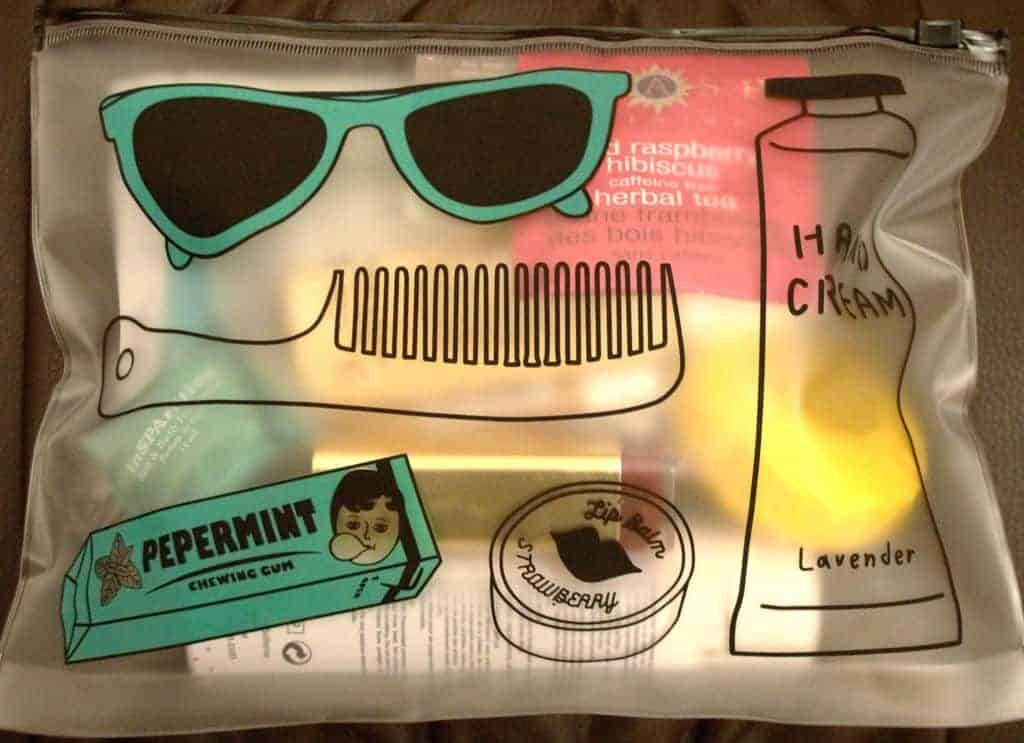
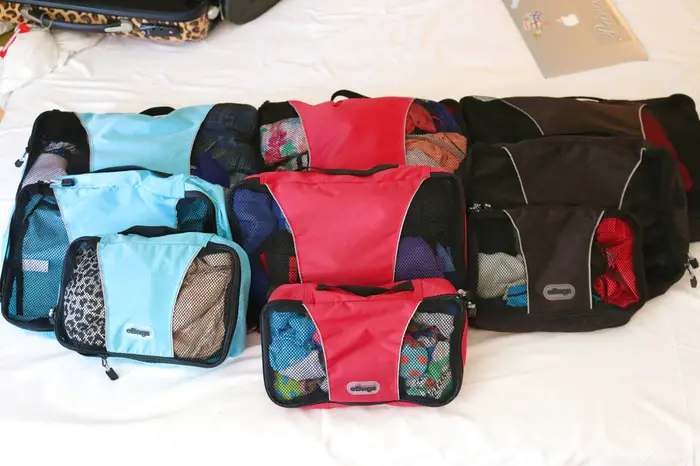
Packing cubes or pouches can separate categories, but the useful habit is simply assigning shared items at home and checking them before leaving.
Keep the Non-Negotiables in One Reachable Place
A parent and two children prepare for travel beside an open day bag filled with essential family items in a home entryway.
The most important items should not migrate between bags. Keeping documents, essential medication, and core tech in predictable places reduces frantic searches.
Documents, Money, and Booking Details
Passports, identification, boarding information, hotel details, and any child travel documents required for the itinerary belong in one secure, accessible place controlled by an adult. A written emergency contact can also be useful if a phone is lost, flat, or out of service.
Avoid spreading critical items across several pockets and people.
Medication, First Aid, and Personal Safety
Prescription medication and other essential medical items should remain with the family rather than being packed somewhere difficult to reach. A small first-aid pouch can cover the ordinary scrapes and minor problems a family is already prepared to handle.
For flights, check current airline and airport rules for medication, liquids, and batteries. Screening procedures vary, so easy access matters.
Phones, Power, and Essential Travel Tech
Keep charging cables, headphones, and portable chargers together in one easy-to-reach pouch. Tablets and e-readers should also be accessible without having to unpack the rest of the bag.
It also helps to match each bag to a clear purpose. Looking at different travel bags for organized family trips can help families think through which items belong in a backpack, tote, sling, or duffel, depending on what needs to stay close at hand. The aim is simple: keep shared essentials organized and easy to reach without carrying more than necessary.
Stock the Shared Bag for Hunger, Spills, and Comfort
A shared bag earns its space when someone is hungry, cold, sticky, bored, or suddenly wearing half a drink.
Snacks, Drinks, and Feeding Essentials
Pack enough familiar snacks for the planned travel window plus a reasonable delay. Refillable water bottles work well for road trips and can be filled after airport security where facilities allow.
For babies and toddlers, keep the normal feeding supplies together so bottles, cups, food, and cooling items are not scattered through different bags. For flights, check current security rules for milk, formula, or baby food.
Spare Clothes, Layers, and Hygiene Supplies
One accessible change of clothes can save a surprising amount of trouble with younger children. Diapers, wipes, diaper cream, tissues, and similar supplies are easier to manage when grouped together.
A light layer helps with changing temperatures between cars, terminals, aircraft cabins, and arrival weather. Sunscreen or insect repellent can join the day bag when the itinerary calls for them rather than taking up space on every trip.
Entertainment and Familiar Comforts for Children
A small amount of familiar entertainment usually works better than a bag full of options. A stuffed animal, sticker book, coloring activity, chapter book, e-reader, or headphones can cover long waits without creating another pile to organize.
Older children can choose one or two items themselves without turning their backpack into a second toy box.
Make the System Work at Security, on the Road, and at Check-In
The system matters most during transitions: leaving home, moving through security, stopping on the road, boarding, changing transport, and checking into a hotel.
Set Up an Airport Security and Boarding Routine
Keep documents easy to reach and anything that may need separate screening near the top of the bag. Airport procedures differ, so follow local instructions rather than assuming every checkpoint handles liquids or electronics the same way.
Once through screening, reorganize away from the belt. At the gate, keep a charger, snack, and entertainment accessible.
Adapt Access for Car Trips, Trains, and Long Travel Days
On road trips, keep likely essentials inside the passenger area rather than under luggage in the trunk. Snacks, water, wipes, a light layer, and one change of children’s clothing usually deserve the easiest access.
The same principle works on trains. Anything needed during the ride should stay with the family, while bulkier luggage can remain stored.
Create a Hotel Arrival Kit Without Unpacking Everything
Arrival does not always mean immediate access to the room. Identification, booking details, medication, chargers, and one or two comfort items should remain easy to reach in case luggage is stored temporarily.
If bedtime is close, pajamas and toothbrushes near the top of the bag can spare everyone from opening multiple suitcases as soon as the room is ready.
Share Age-Appropriate Responsibilities With Kids
Older children can carry a few personal items, but important family documents, medication, payment methods, and expensive electronics should remain with an adult.
A child might manage headphones, a book, a sweatshirt, or a water bottle. Younger children can handle something simpler, such as a favorite comfort item. The responsibility should make the day easier, not create another thing to track.
A Good System Should Be Easy to Repeat
The best travel-day bag is not packed for every possible problem. It simply makes the next few hours easier.
After a trip, notice what the family reached for repeatedly and what never left the bag. Give frequently used items a better home next time, and leave unnecessary extras behind. With a little repetition, the system becomes less about packing perfectly and more about spending less of the travel day asking, “Where did we put that?”


