
Africa is a continent that I hold close to my heart. Since first visiting, over 14 years ago, I’ve been unable to resist the urge to go back, time and time again, exploring over ten wonderful countries. There’s so much I love about Africa but perhaps my biggest passion of all is for its wildlife and safaris.
There is no greater feeling than observing wild animals’ behaviour in their natural environment, and just knowing that my tourism revenue goes straight towards protecting these reserves for future generations to enjoy makes the experience even sweeter.
Africa is a vast continent and many of its countries promote sustainable wildlife tourism. But which destination is best for you?
I’ve visited each of the destinations in this guide at least once, and in some cases five or more times. I’m going to share my thoughts on each one to help you choose the best for you.
Let’s dive into it!
Kenya
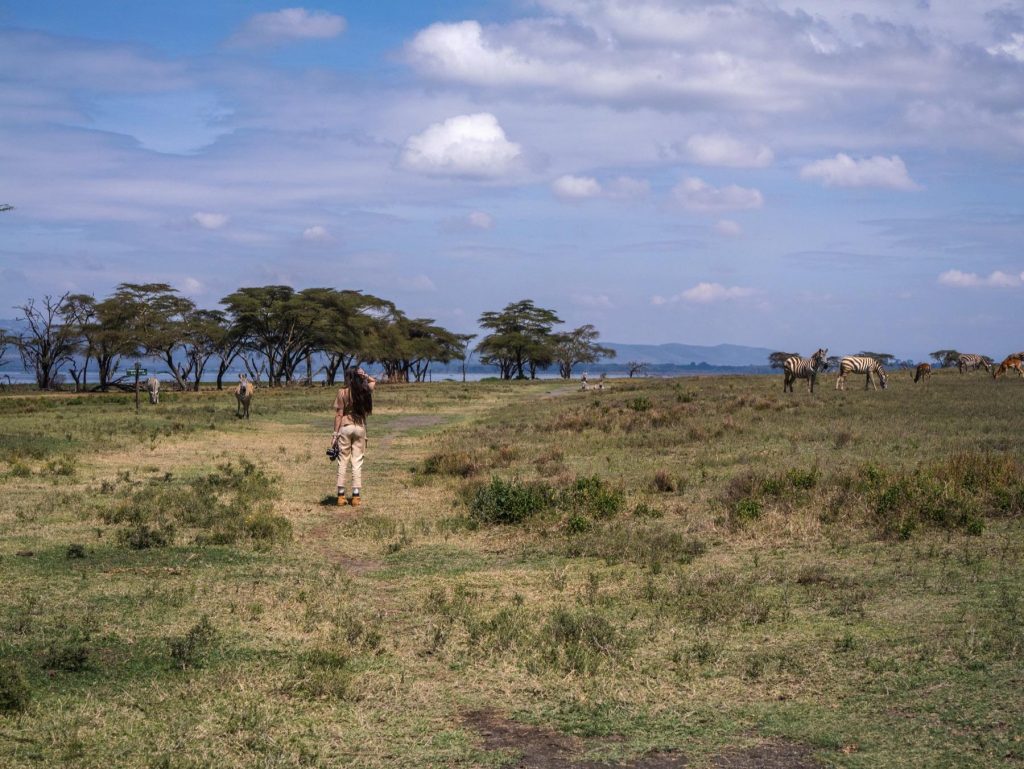
I would consider Kenya ideal for a first-time safari because it offers good odds of seeing the Big Five (lions, leopards, elephants, buffalo and rhinos) and excellent infrastructure which strikes the perfect balance between unforgettable experiences and ease.
It’s one of Africa’s most accessible safari destinations, both in terms of pricing and actually getting there.
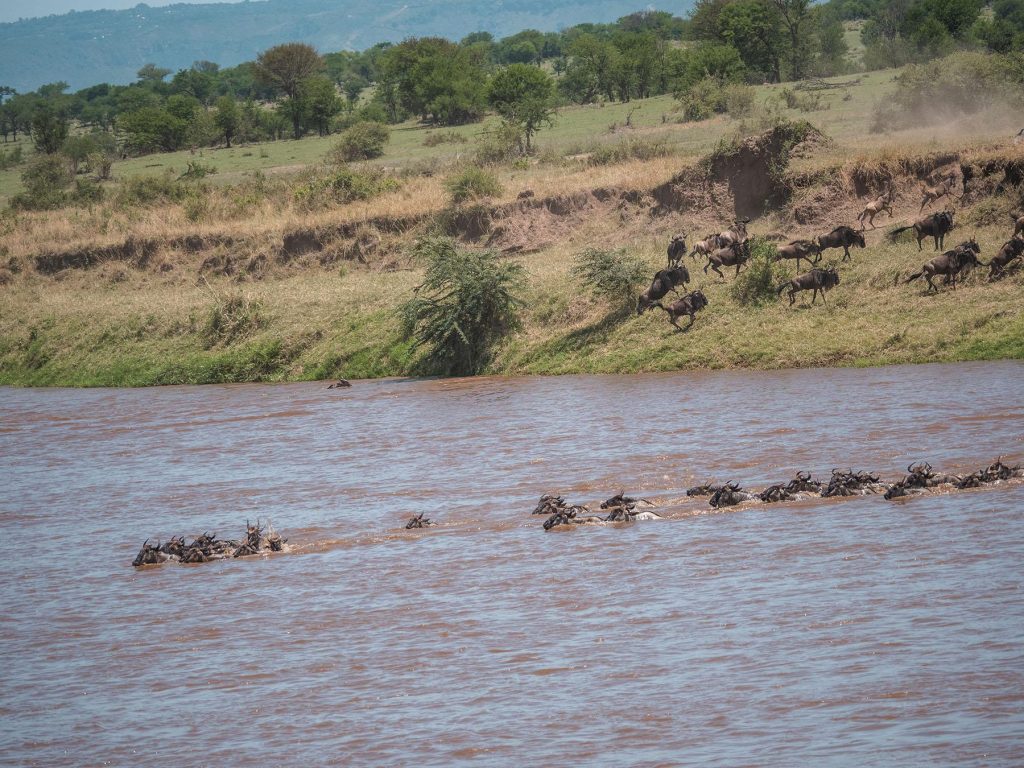
Kenya is perhaps best known for hosting the Great Wildebeest Migration between July and October every year in the form of the dramatic Mara River crossing, best viewed in the Maasai Mara’s Mara Triangle. Watching the Great Migration is one of my most memorable safari experiences and it makes you feel like you’re in a National Geographic documentary as hordes of wildebeests try to dodge the jaws of hungry crocodiles!
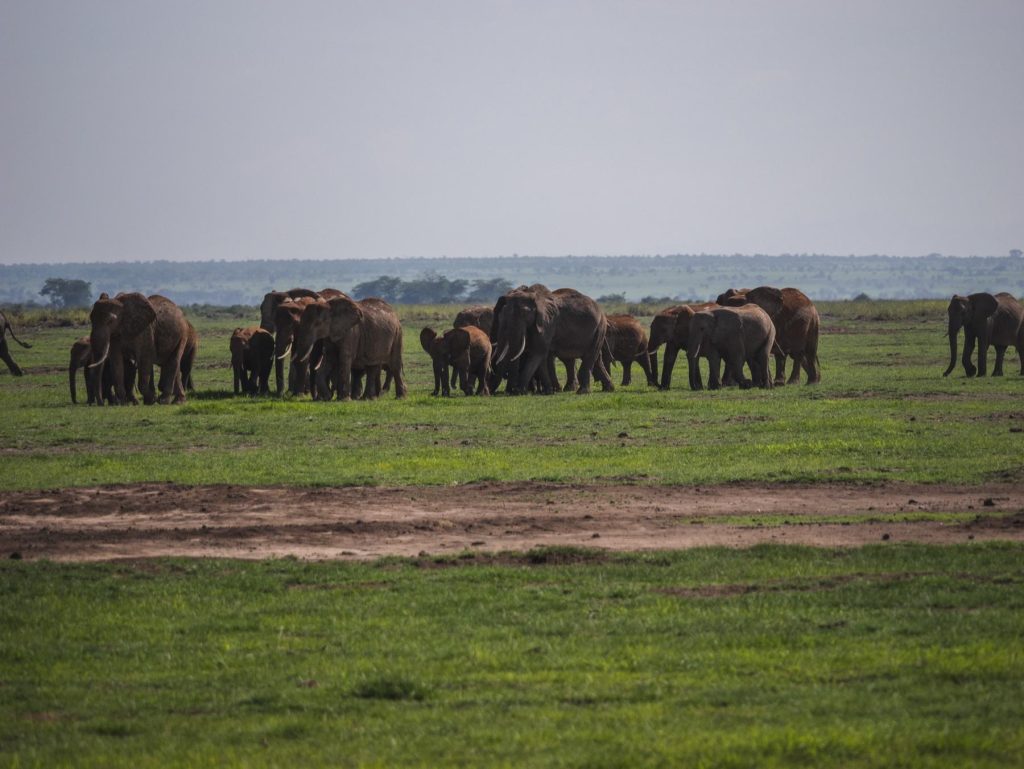
In contrast, but no less impressive, Amboseli offers breathtaking encounters for elephant enthusiasts, with super herds, often hundreds strong, often marching in front of Mount Kilimanjaro. What’s even better, this park is home to some of the world’s last remaining Big Tuskers, elephants whose enormous tusks almost reach the ground. This park has given me some amazing sightings, from huge elephant herds crossing the road right in front of me to adorable lion cubs and even a cheetah chasing down a gazelle only to have an opportunistic hyena try to take her kill!
While the main activity during a safari trip to Kenya is game drives, there are also a variety of alternatives that are sure to add a special touch to your trip. These include balloon safaris with stunning panoramic views of the vast Maasai Mara, guided walking safaris in the private conservancies, cycling safaris in Hell’s Gate National Park, horse riding safaris in Mara North Conservancy and tranquil boat trips on Lake Naivasha.
Price-wise, Kenya is at the lower end for safaris, being marginally cheaper than Tanzania ($300 per person per day for a typical budget safari in Kenya vs. $370 in Tanzania), and way less pricey than a safari in Botswana or gorilla trekking in Uganda or Rwanda.
As with all safaris, costs vary depending on the luxury level you choose. Budget options in Kenya cost about $300 per person per day compared to $400 for mid-range and $600 for luxury accommodation. If your budget allows, I’d recommend mid-range, mainly because the food is better.
Tented camps are the most popular accommodation in Kenya, and I love them because you can hear the wonderful wildlife sounds all around and feel so close to nature. You’ll be surprised at how comfortable they are, too!
If you are struggling to decide which Kenyan parks to visit or need a stand-out destination to visit in Kenya, the Maasai Mara and its nearby private conservancies are my absolute favourite safari destination in Kenya, and I’d strongly recommend including them in your visit.
Although Kenya is fantastic throughout the year, I prefer to go in either September for the migration or November for general wildlife.
Kenya shares a border with Tanzania and, with both countries offering similar safari experiences, you may find it hard to choose! This in-depth guide I’ve put together comparing both may help you make up your mind!
Tanzania
Housing the picturesque island of Zanzibar and a selection of world-class national parks which are all easily accessible via its Northern Safari Circuit, Tanzania is perfect for anyone planning a safari and beach honeymoon.
Tanzania is the safari destination that I’ve visited the most often as it has one of my favourite national parks in the world, the Serengeti.
It’s a truly unique country that has some of the most mesmerising landscapes I’ve ever encountered. Prepare to feel utterly enchanted by the prehistoric lost-world feel of the Ngorongoro Crater and the amazing density of big cats on the Serengeti’s wide, open plains. And of course let’s not forget Mount Kilimanjaro, the tallest free-standing mountain in the world.
I generally see all of the Big Five each time I visit Tanzania, if I include Ngorongoro Crater for the rhinos. In terms of wildlife highlights, Tanzania has the world’s biggest lion population, numbering some 14,000 individuals or 40% of the total population in Africa. It also hosts the Great Wildebeest Migration year-round, showcasing all stages compared to just the river crossings in Kenya’s Maasai Mara.
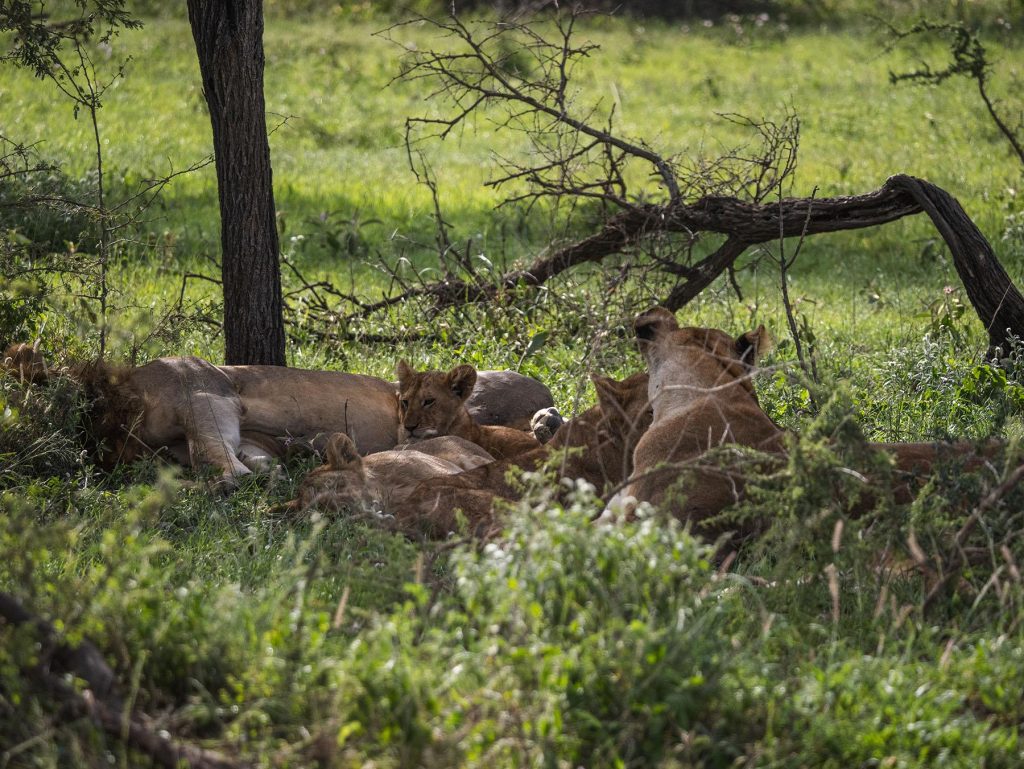
I’ve enjoyed some very memorable experiences while on safari in Tanzania. For example, I saw three leopards in a single day when I was in the central Serengeti (including a cub with its mother!), and also observed some cheetahs feeding on a freshly killed wildebeest.
As in Kenya, game drives are the main safari activity in Tanzania, but there are also some fantastic alternatives. For me, the most spectacular of these is a balloon ride over the Serengeti, particularly during the Great Migration. There’s no better way to witness the true scale of this vast region! You can also enjoy walking safaris and night game drives in Tarangire National Park and Lake Manyara National Park, and walking safaris in Ngorongoro Conservation Area for a thrilling experience that brings you even closer to nature.
When it comes to cost, Tanzania is slightly more expensive than Kenya, with budget safaris averaging $380 per person per day compared to $415 for mid-range and $625 for luxury options. Peak season falls in the long dry season, from June until late September, with parks at their busiest in July and August, so if your dates are flexible, you could consider travelling off-peak to make some savings, but I’d avoid the peak of the wet season.
When visiting the Serengeti National Park, staying inside the reserve really is non-negotiable because of its sheer size; otherwise, you’d waste hours of precious game drive time journeying to and from the park. Accommodation here falls into three different categories: permanent lodges, tented camps and campsites. Each of these in turn offers different comfort and luxury levels, with different facilities to choose from.
South Africa
I would consider South Africa a great all-rounder because there really is something for everyone here, from lavish high-end luxury experiences in exclusive reserves like Sabi Sand to budget self-drive safaris in the iconic Kruger National Park. With some of the continent’s most spectacular private reserves, however, it’s especially suited to anyone looking for a more exclusive experience.
While it doesn’t offer Great Migration viewing like Kenya and Tanzania, South Africa boasts some of Africa’s best Big Five sightings, particularly in the Greater Kruger Ecosystem’s private reserves.
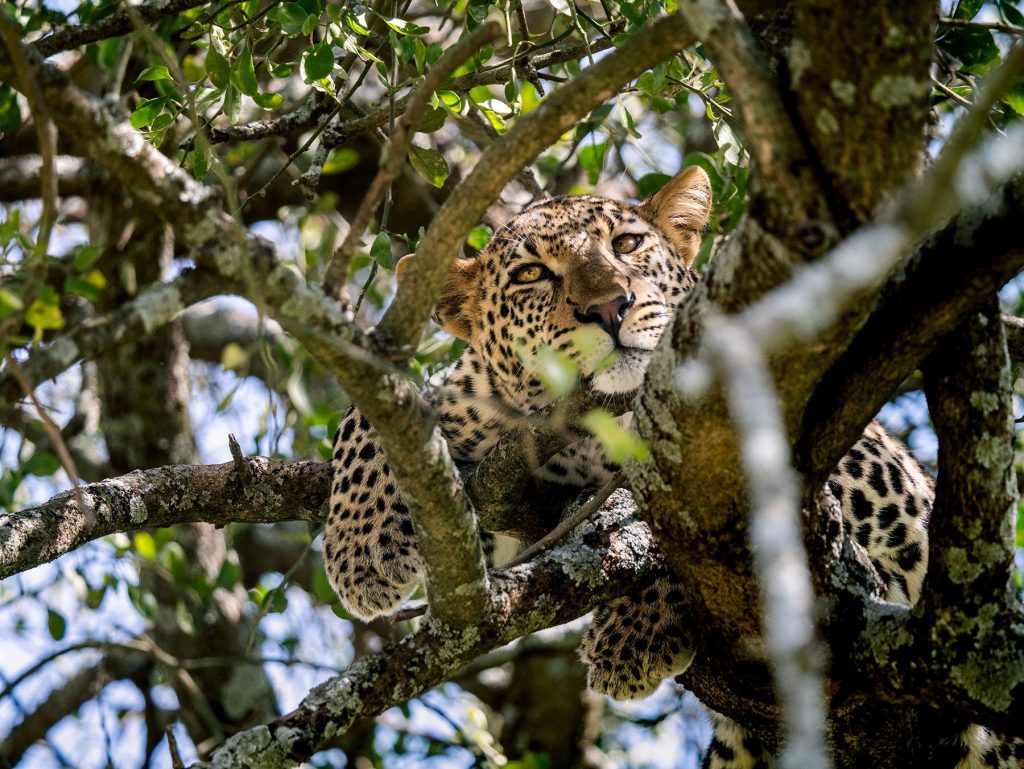
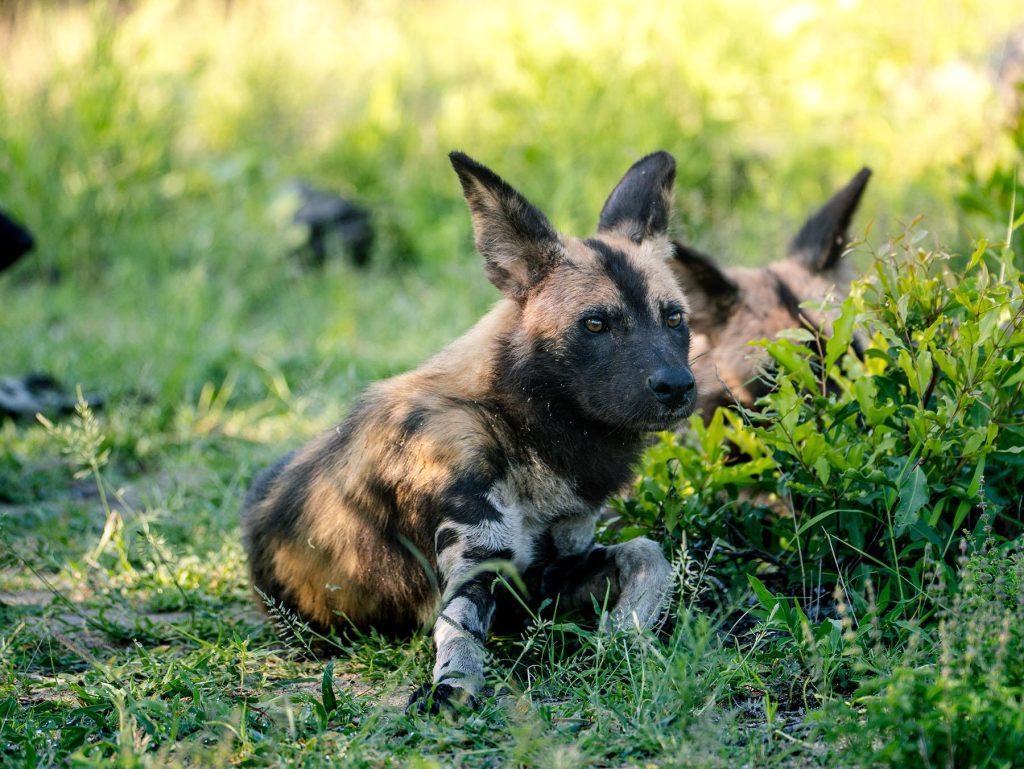
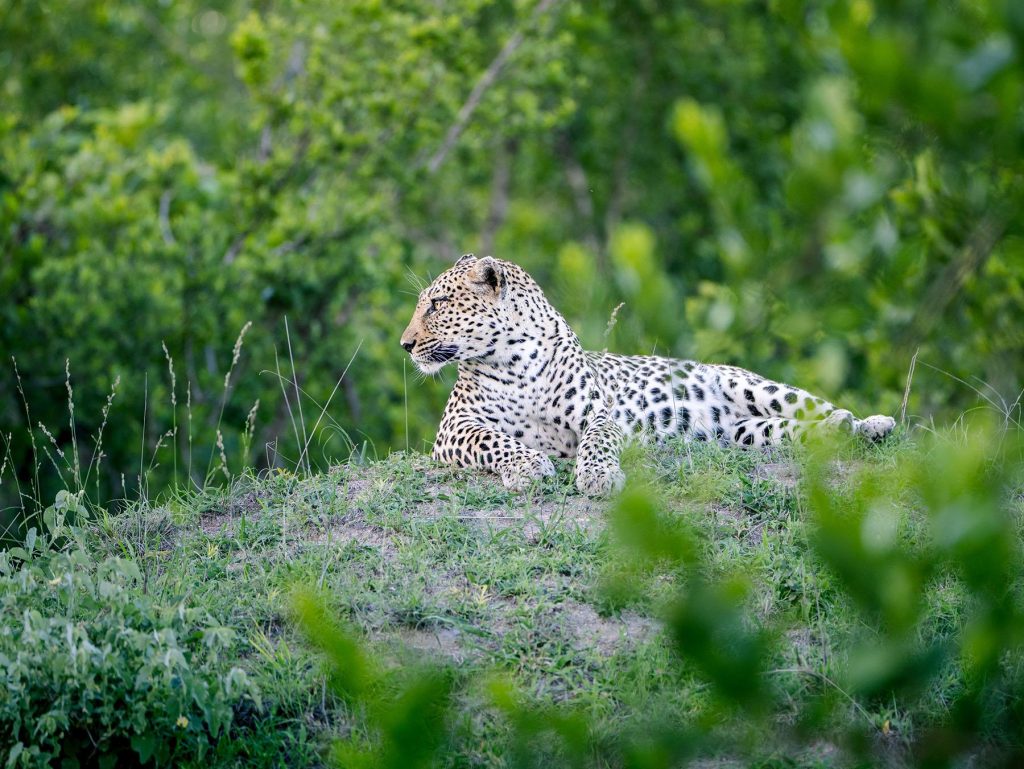
I was delighted to discover that Greater Kruger is considered one of the best places in Africa to spot the endangered African wild dog. Meanwhile, Sabi Sand is among the continent’s most reliable destinations for leopard sightings, as I experienced first-hand during my own visit! Of the incredible 15 leopard sightings I enjoyed during my South Africa safari, 10 happened during my 5-night stay in Sabi Sand.
In South Africa, too, game drives are the number one safari activity. On guided drives, your ranger and driver can even bring you off-road to ensure the best sightings. But Kruger National Park is also wonderful for self-driving; in fact, it’s probably the most suitable park in Africa for self-drive safaris. In the Greater Kruger private reserves, you can also enjoy special activities such as off-road tracking, night drives in small groups and walking safaris, which aren’t readily available in Kruger.
During my trip, I stayed mainly in Greater Kruger’s private reserves. I had a lot more sightings in South Africa (in the luxury private reserves such as Sabi Sand and Timbavati) than I did in Botswana’s Okavango Delta and Chobe. However, that was likely because South Africa is more managed, while Botswana is wilder and untouched, making sightings more challenging (but all the more rewarding).
In terms of cost, a private mid-range 10-day safari in Greater Kruger costs from around $500 to $600 per person per day, while luxury lodges charge from $800 to $2,500+ per person per day. These prices include accommodation, all meals, drinks, and two daily game drives.
As the private reserves have very limited budget options, it’s best to stay in self-catering camps inside Kruger National Park rather than the neighbouring private reserves if you want to limit your costs.
Botswana
Botswana is perfect for anyone seeking an exclusive, low-crowd wilderness experience when budget is not an issue. I could hardly believe how quiet its wildlife areas were compared to other safari destinations. There was one particular morning game drive in Moremi Game Reserve when we only encountered one other safari vehicle, and it wasn’t even low season!
Although it has some of Africa’s best wildlife viewing, Botswana isn’t the most accessible and safaris are costly, placing it beyond the reach of many travellers. Self-drive is permitted in the main parks, but I don’t recommend it unless you are a seasoned off-road driver and feel at home navigating challenging conditions in remote areas.
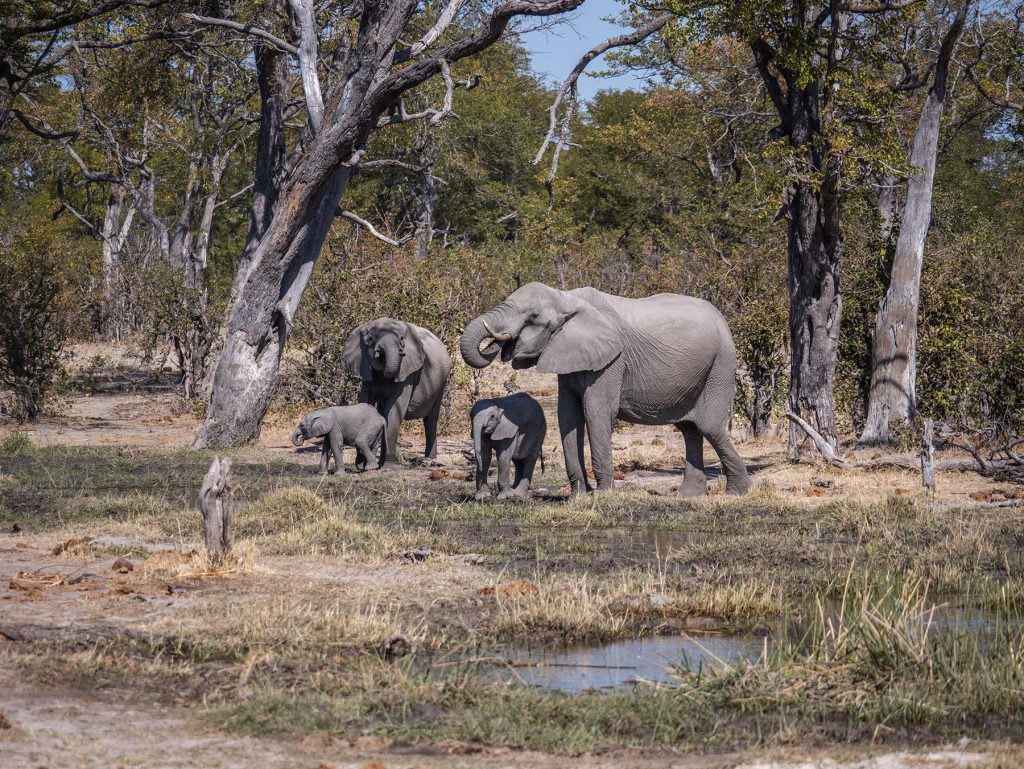
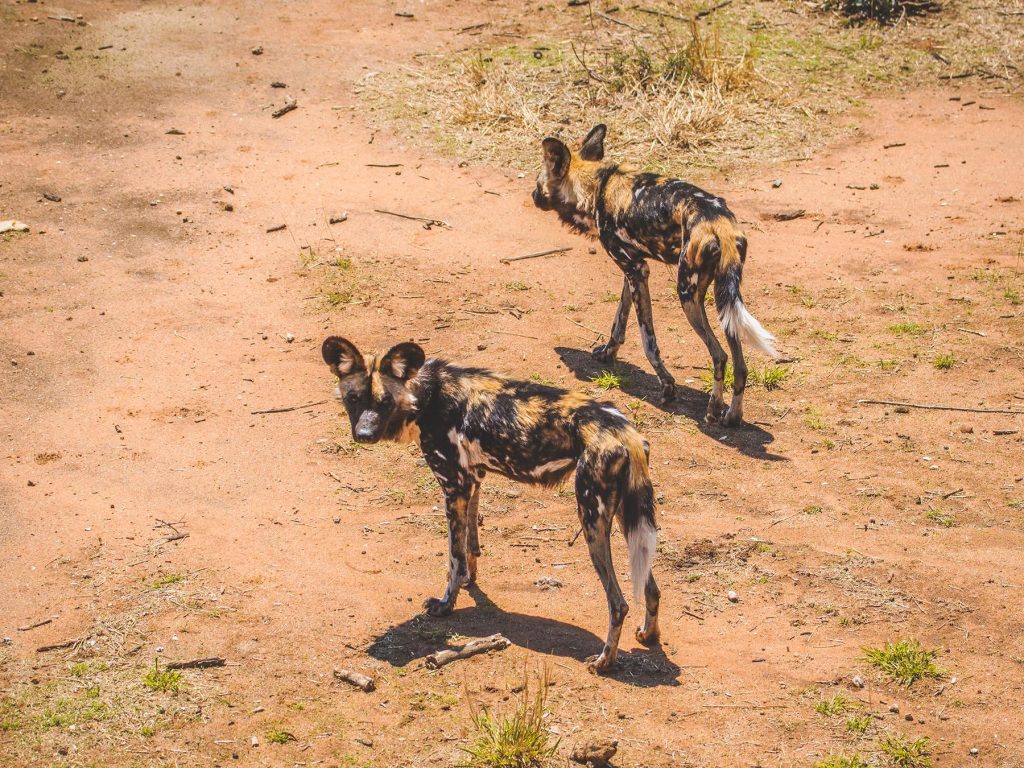
Botswana’s rich wildlife includes the largest global populations of elephants and wild dogs (a personal favourite of mine!). I actually had my first ever wild dog sighting here, and I’ll never forget it! The Okavango Delta and Chobe National Park in the north of the country are especially renowned for frequent, high-quality predator sightings.
To give you an idea of how amazing the predator sightings can be here, we encountered lions every single day in the Savuti region of Chobe, including one unforgettable experience when we followed a huge male lion patrolling his territory at dawn. Botswana also offers reliable sightings of four of the Big Five; rhinos are sadly harder to spot due to poaching.
Safari activities here include twice-daily game drives in open trucks, but you can also enjoy night drives in Khwai Community Area or the privately owned concessions, which I highly recommend. Botswana also offers unique experiences such as peaceful canoe (known as a mokoro) safaris in the flooded Okavango Delta or coming face to face with meerkats in the arid Makgadikgadi Pans. You can also enjoy a guided walking safari in the Okavango Delta, Chobe and the Linyanti region.
A Botswana budget safari with mid-range camping accommodation costs $450 per person per day compared to $650 for mid-range luxury camping and $1,300 for luxury tented camps and lodges. The classic mobile camping experience can vary from basic camping where you put up your own tent and cook your own food to luxury mobile camps with dedicated porters and a chef to do all the work for you.
Of all the options, mid-range safaris in luxury mobile tented camps are the most popular, costing about $650 per adult per day (this varies with the seasons). These camps are often better value than the lodges but still offer you luxuries such as private chefs, proper beds and even flushing en-suite toilets!
Botswana is one of my favourite countries in the world, the only downside being the higher price. However, the pricing helps to limit visitor numbers, which not only ensures a more exclusive experience but more importantly protects the country’s delicate ecosystem. What’s more, I find the quality of guiding extremely high in Southern Africa, including Botswana.
Uganda
Home to half the world’s remaining mountain gorillas, rare tree-climbing lions, and stunning landscapes that have earned the country the nickname ‘Pearl of Africa’, Uganda offers an unforgettable experience that’s totally unlike a traditional safari. Only here can you find yourself observing mighty silverbacks amid misty mountain forests one day and watching open-mouthed as the lions in Queen Elizabeth National Park casually scale ancient fig trees the next.
The country also boasts fantastic big-game viewing, including most of the Big Five. This means you can see gorillas, chimpanzees, lions, elephants, hippos and leopards on a single trip, although game viewing in the savannah parks often falls short of the Serengeti or the Maasai Mara in terms of wildlife density and drama.
However, it’s the primates that are the real superstars in Uganda, and most notably the mountain gorillas. Bwindi Impenetrable National Park is home to around 459 of these amazing animals, nearly half of the world’s remaining wild population.
As well as game drives, Uganda offers excellent chimpanzee and mountain gorilla tracking, with Bwindi best for gorillas and Kibale Forest National Park better for chimpanzees. You can also book a laid-back boating safari on the Nile River in Murchison Falls or the Kazinga Channel in Queen Elizabeth National Park.
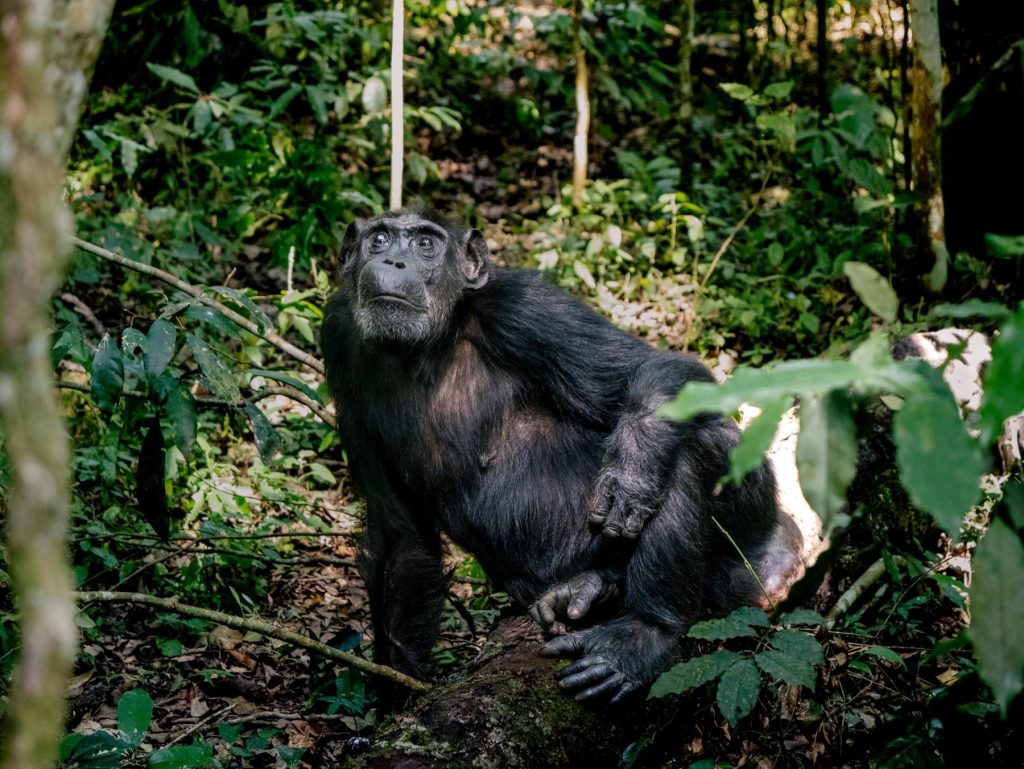
If you’re hoping to do both chimpanzee and mountain gorilla tracking and take in a few traditional game drives, allow yourself at least 7 days in Uganda. You’ll also need a reasonable level of fitness, as gorilla trekking can be quite challenging. I completed two gorilla treks on two consecutive days in the Rushaga sector on my recent visit to Uganda, but next time I’d leave a day in between to rest!
A typical private safari in Uganda, including gorilla and chimp trekking, costs around $450 per person per day based on 2 adults sharing. This covers budget accommodation, park fees, meals, transfers and all safari activities but doesn’t include tips or international flights. For mid-range lodge accommodation, you’ll pay from $650 per person per day compared to $800 or more for luxury options.
Uganda treated me to some amazing encounters during my time there. I loved how green and lush the country was, even during the dry season. A stand-out sighting I had in Uganda took place in Queen Elizabeth National Park: a pair of lions, one male and one female, though they weren’t a breeding pair. Despite the male’s best efforts, the female was having none of it and it was entertaining watching her tell him what she thought!
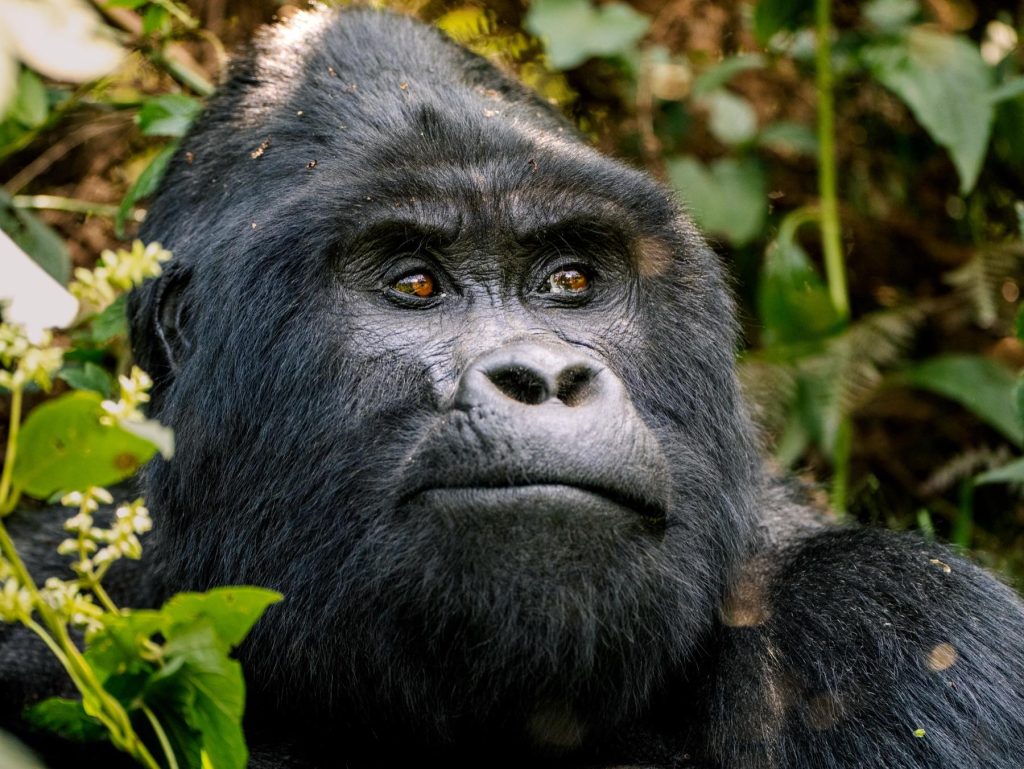
But the absolute highlight of my trip was coming face to face with some of the world’s few remaining mountain gorillas. While gorilla trekking permits are not cheap, at $800, they’re honestly worth every penny.
Rwanda
One of the smallest countries on the African mainland, Rwanda packs quite the safari punch! Thanks to its size, a week is plenty of time to take in all of the highlights without rushing, making it ideal for those with limited time.
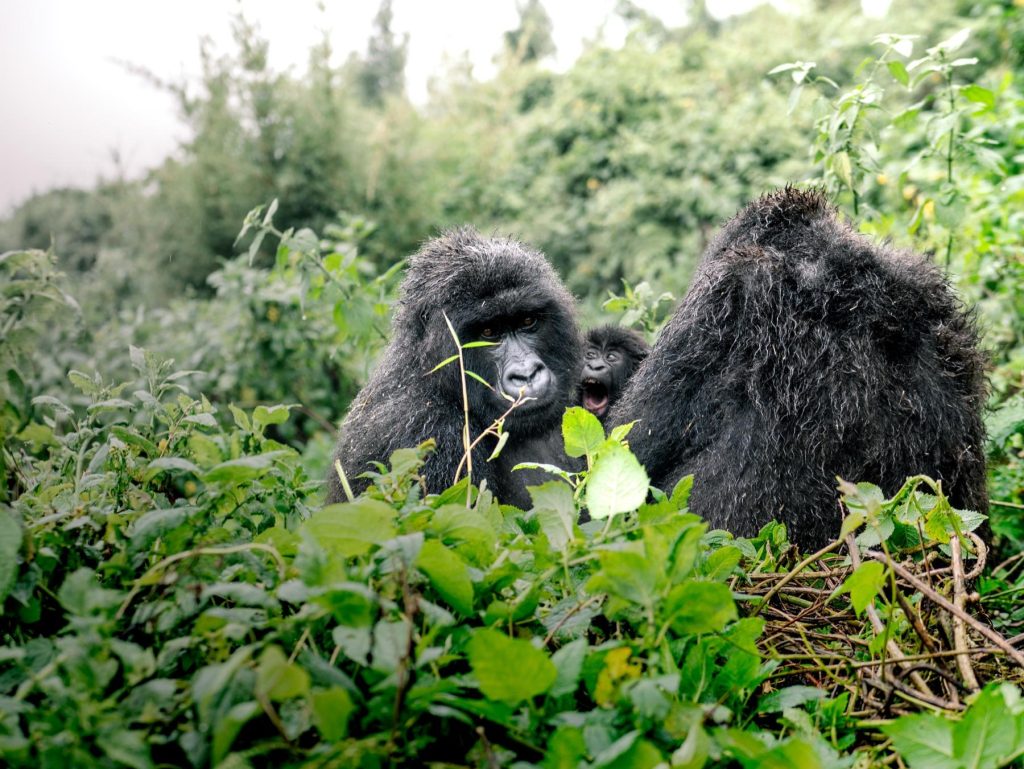
The highlights of my time there include observing a huge family of mountain gorillas with their babies in the mountains of Volcanoes National Park, chasing a group of chimps through the Nyungwe rainforest and experiencing the best white rhino sightings of my life in Akagera National Park.
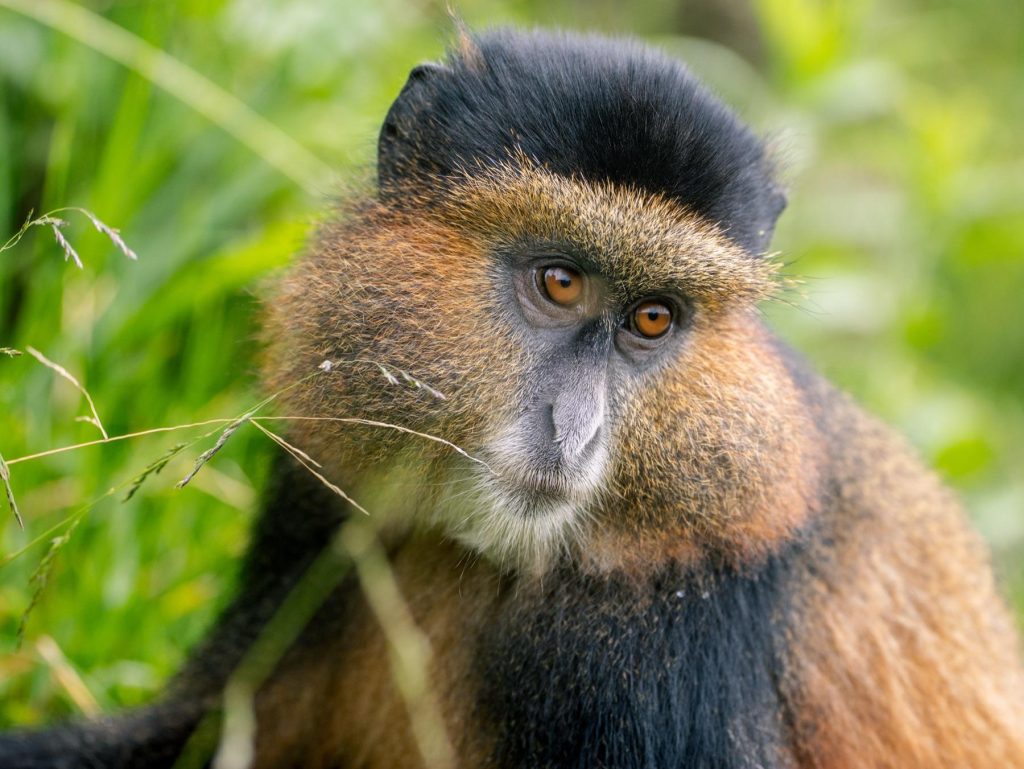
Unlike other safari destinations where game drives are the order of the day, Rwanda is best known for primate trekking, with mountain gorilla trekking in Volcanoes National Park, chimpanzee tracking in the ancient rainforest of Nyungwe and golden monkey trekking in the volcanic Virunga Mountains. Nyungwe boasts some 13 different primate species, with 3 habituated chimpanzee groups.
While gorilla trekking in Volcanoes is pretty convenient, with less strenuous conditions and easier road access than in Uganda, it can still take some time to actually find the gorillas. For example, it took us nearly 2 hours to locate the Hirwa family on my last gorilla trekking journey, but the hour we spent watching them once we’d caught up with them was nothing short of magical.
Chimpanzee trekking was by far the most strenuous activity I tried in Rwanda, partly due to the muddy conditions and dense undergrowth and partly because the chimps led us a merry dance through the forest! I also loved golden monkey trekking, as it was something completely unique to the country, and the golden monkeys were so cute!
As well as primate trekking, you can also look forward to Big Five safaris on the vast savannahs of Akagera National Park. Thanks to its huge diversity of habitats, the reserve houses countless species, including all of the Big Five. Lastly, you can book a gorgeous sunset boat cruise on Lake Ihema, the largest of Akagera’s 10 lakes, for a truly relaxing experience.
A private safari in Rwanda costs an average of $450 per person per day, with shared group safaris coming in cheaper at around $300. Ranging from $60 to $3,000+ per night, the price of accommodation can greatly influence the overall cost of your safari. Accommodation near Musanze and Volcanoes tends to be costlier than in other areas of Rwanda, particularly for higher-end options.
However, it’s the gorilla permit that really impacts the overall price, costing a huge $1,500 per person per trek. By contrast, golden monkey trekking costs just $100 per person and chimpanzee trekking in Nyungwe $150 per person plus a $100-per-day park fee. While you may balk at the price of the gorilla permit, I can assure you it’s absolutely worth it!
Final Thoughts
There are so many fantastic safari destinations out there that it can be hard to choose just one. If you’re planning a first safari, I’d recommend Kenya or Tanzania, with Tanzania also ideal for a safari and beach honeymoon.
If you’re after a more exclusive experience and budget isn’t an issue, Botswana and South Africa are both amazing. Meanwhile, Uganda and Rwanda are great for primate trekking, with Uganda coming in significantly less expensive, but Rwanda offering unique golden monkey trekking.
I hope this post has helped you narrow down the options to find the safari destination that works best for you. But wherever you choose, I am sure you’ll have the trip of a lifetime!


